
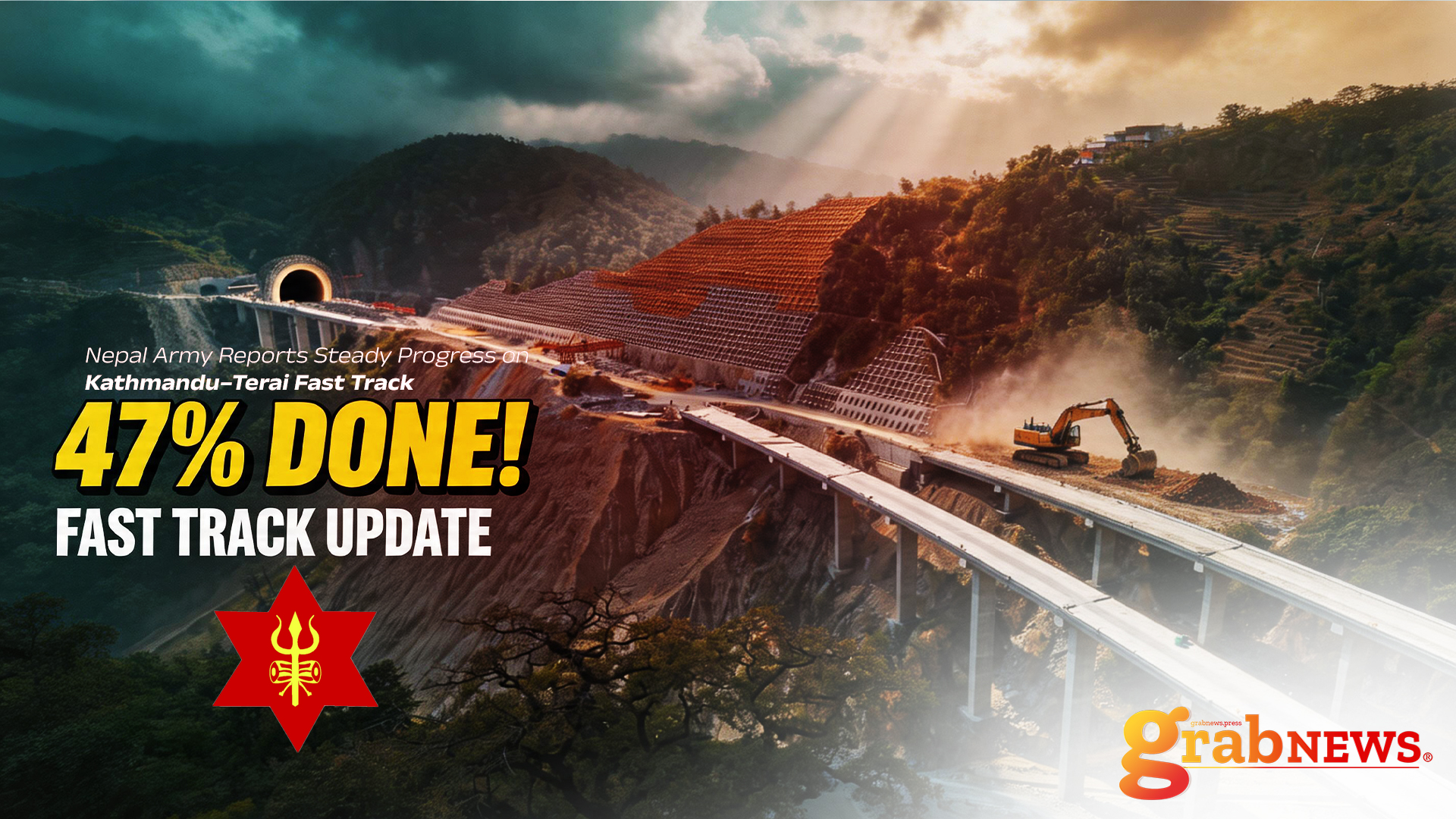
Kathmandu, Nepal’s most ambitious national pride project, the Kathmandu–Terai/Madhesh Fast Track, has reached nearly half completion, according to the latest progress report released by the Nepal Army, the agency leading its construction. As of mid-April 2026 (end of Chaitra 2082 in the Nepali calendar), the overall physical progress of the project stands at 46.88 percent, while financial progress has reached 46.52 percent, including mobilization costs. For a project that has faced land acquisition disputes, complex terrain, and logistical challenges, this pace signals steady if not lightning-fast momentum. The 72.5-kilometer expressway, officially known as the Kathmandu–Terai/Madhesh Fast Track, aims to connect the capital Kathmandu with the southern plains of the Terai, drastically cutting travel time from the current 6–8 hours to under 2 hours. Once completed, it is expected to transform trade, logistics, and national connectivity.
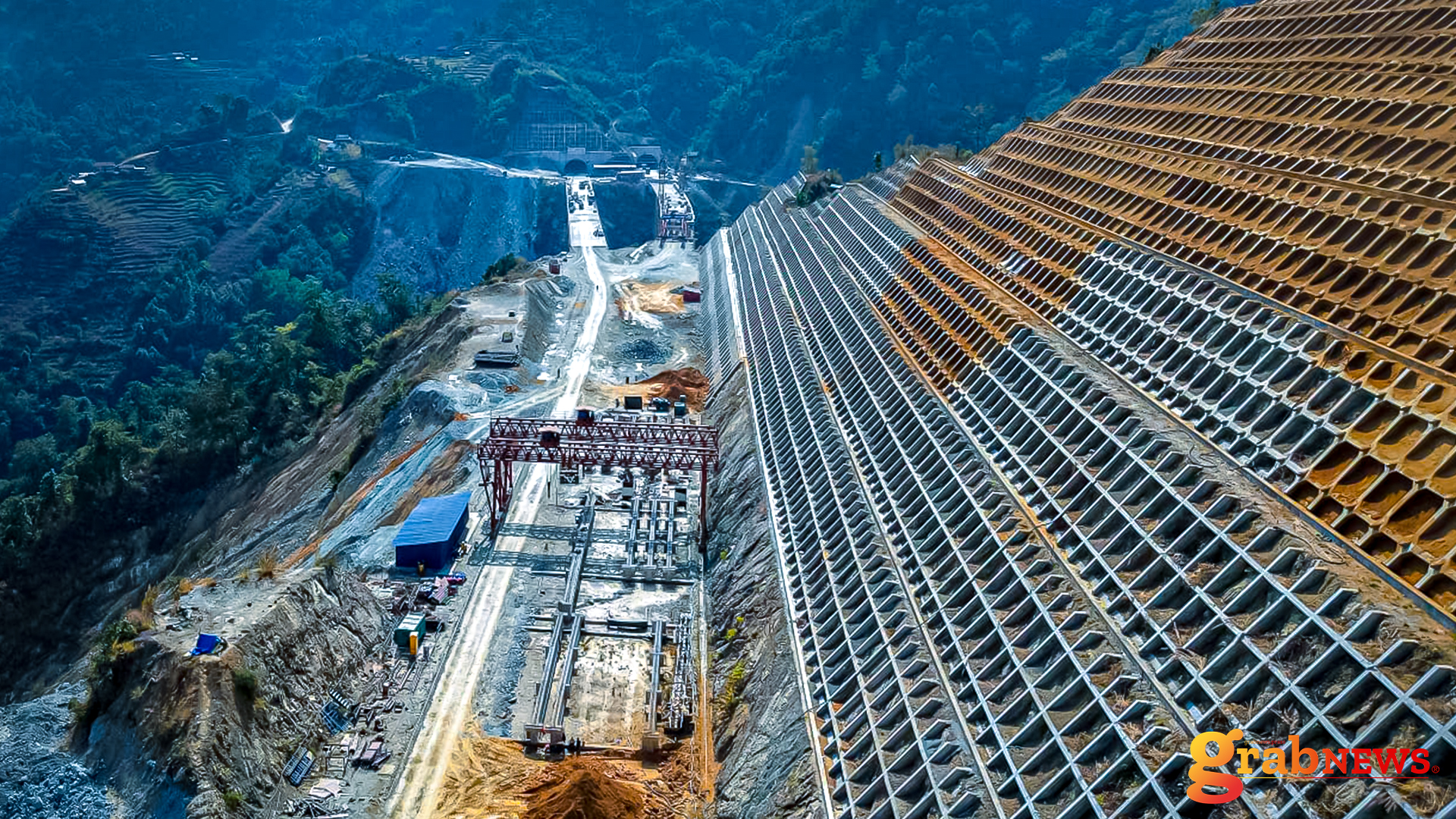
Construction Packages Moving, But One Still Stuck
The project has been divided into 13 construction packages under a holistic execution plan. So far, 12 packages are actively under construction or implementation. However, Package 11, which covers the Khokana–Bungamati section near Kathmandu, remains stalled due to unresolved land acquisition issues. Procurement for this section has yet to begin, making it the biggest bottleneck in an otherwise progressing project.
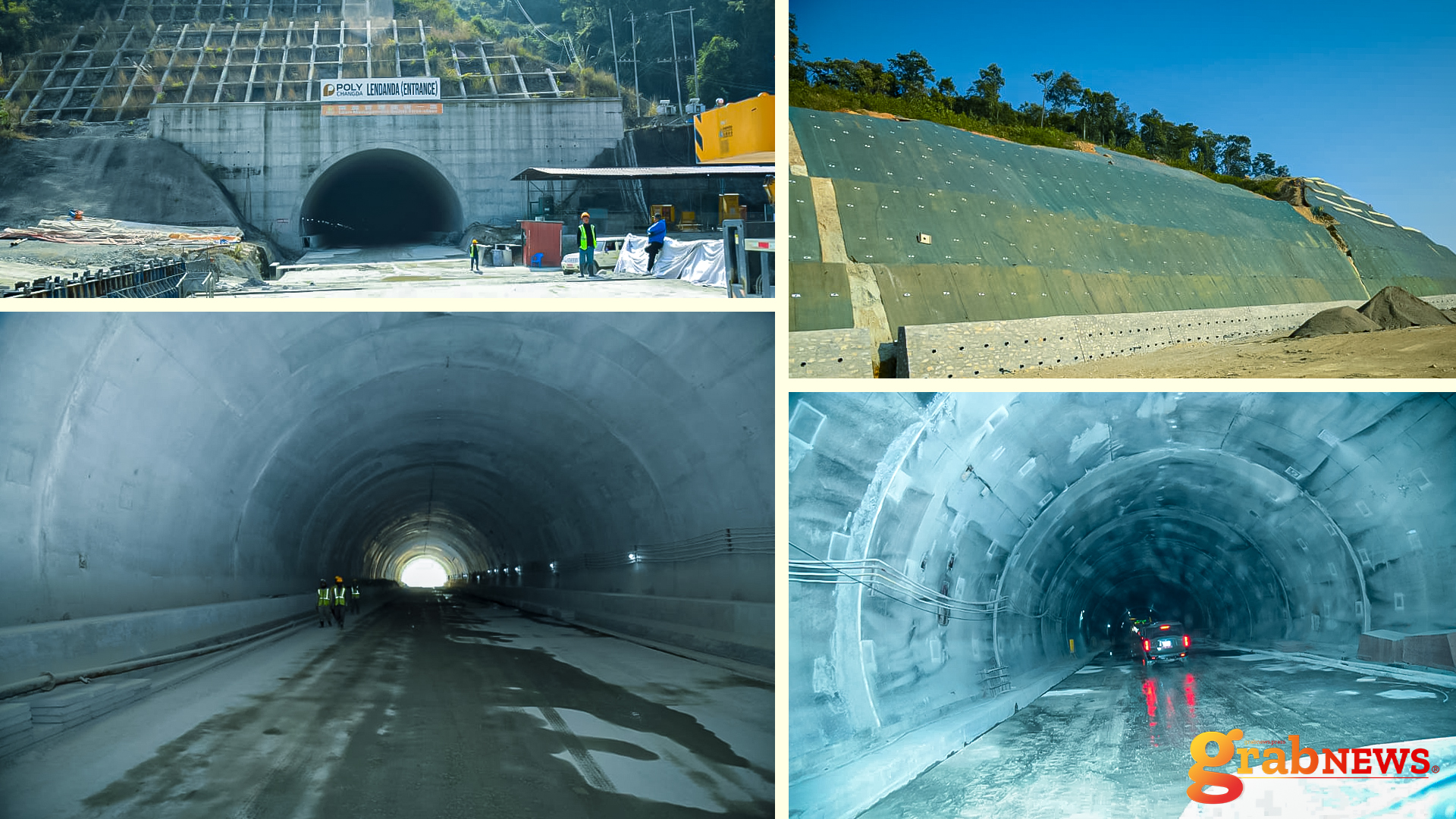
Tunnel Construction: Mixed Progress Across Sections
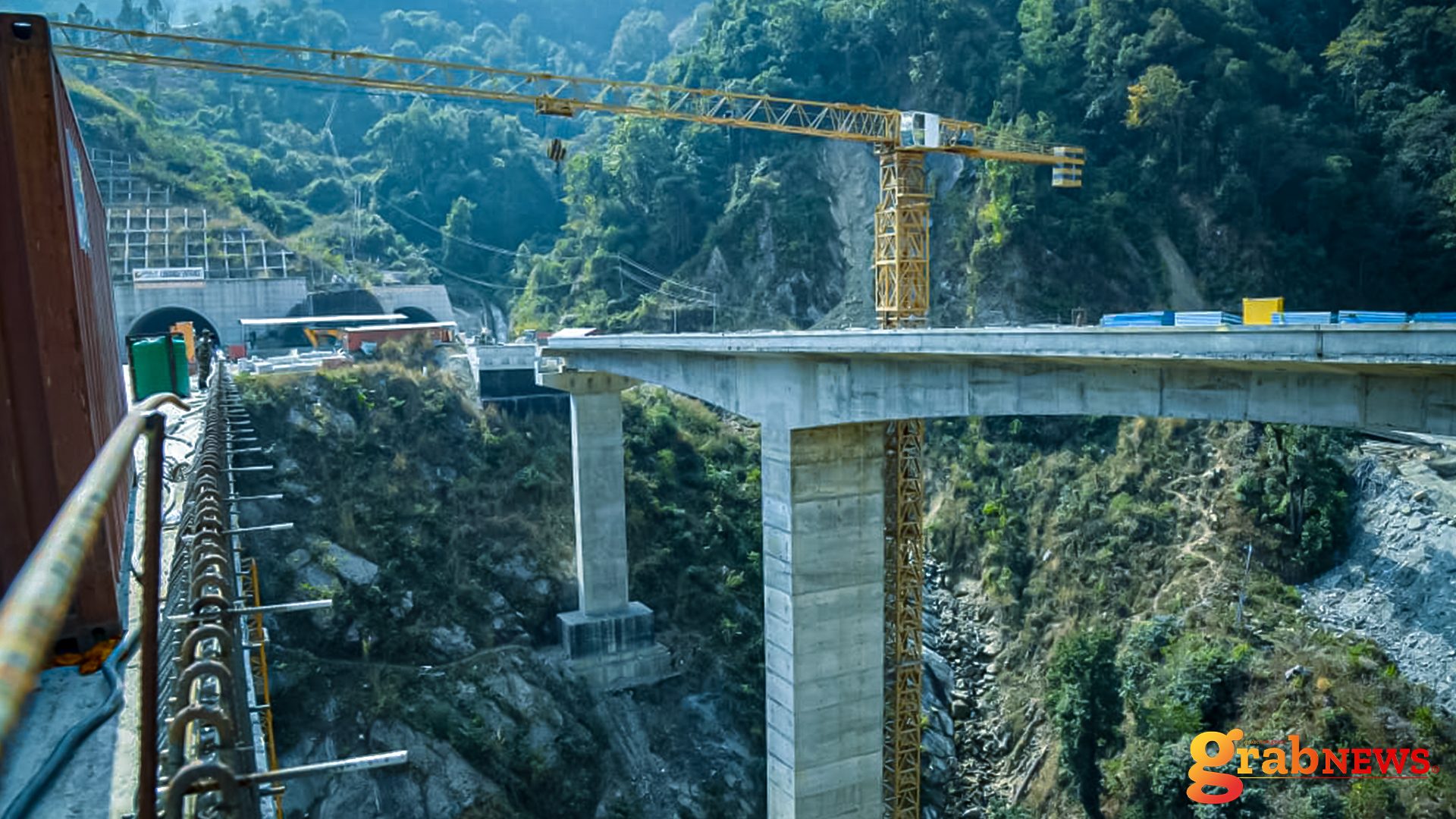
Tunnel construction arguably the most technically demanding aspect of the project is underway across seven locations, with a combined length of approximately 10.98 kilometers. Among them, the Mahadevtar Tunnel shows significant advancement. Excavation work has reached around 83 percent completion on the left tunnel and 72 percent on the right. Similarly, the Dhedre and Lendanda tunnels have achieved breakthrough status on both sides, marking a major milestone in underground construction. However, not all tunnels are moving at the same pace. Sections like Chandram Bhir, Sisautar, and Mauri Bhir are still in earlier stages, with portal construction and initial excavation ongoing. These variations reflect the geological complexities of Nepal’s mid-hill terrain something engineers are clearly wrestling with.
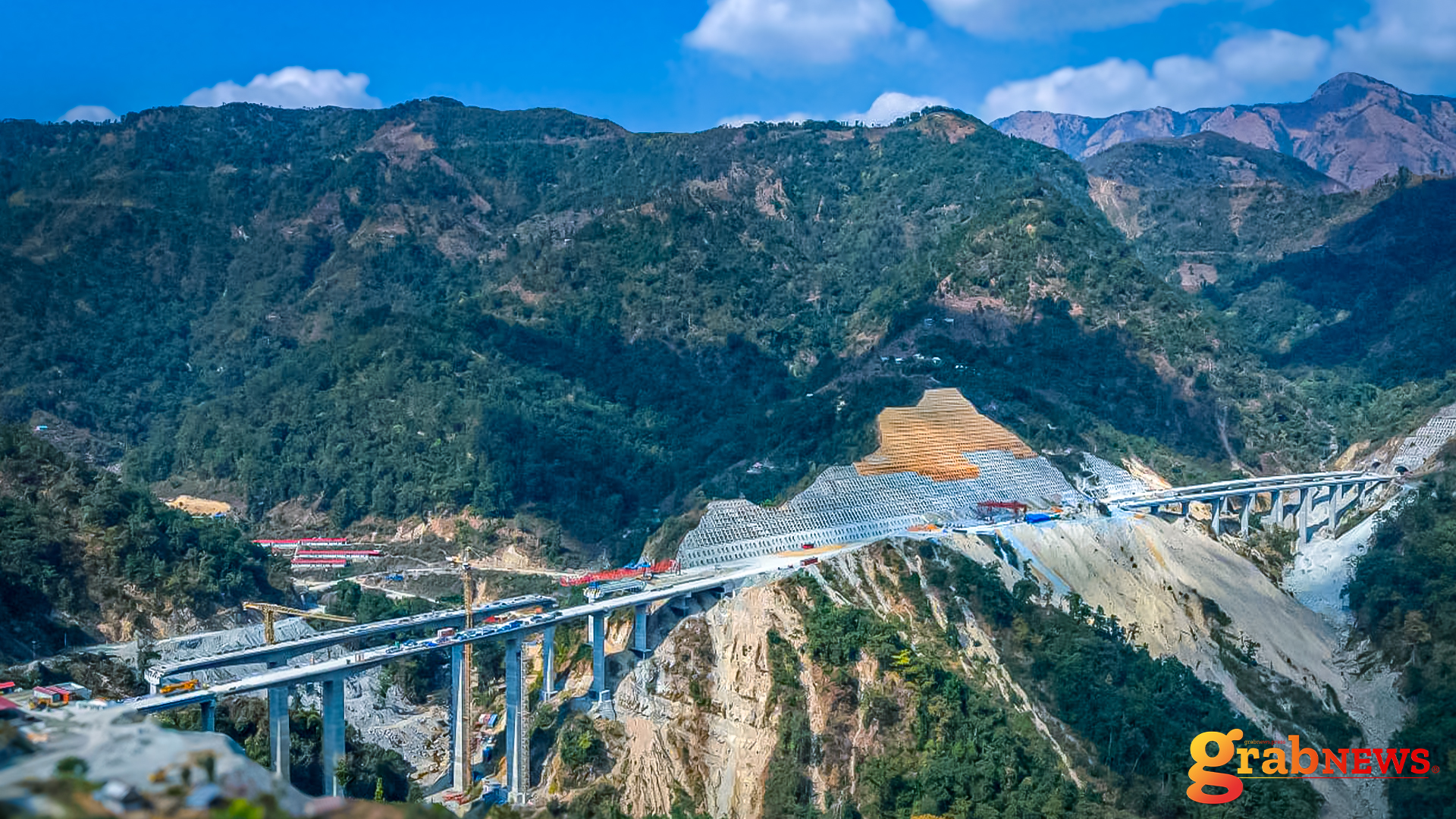
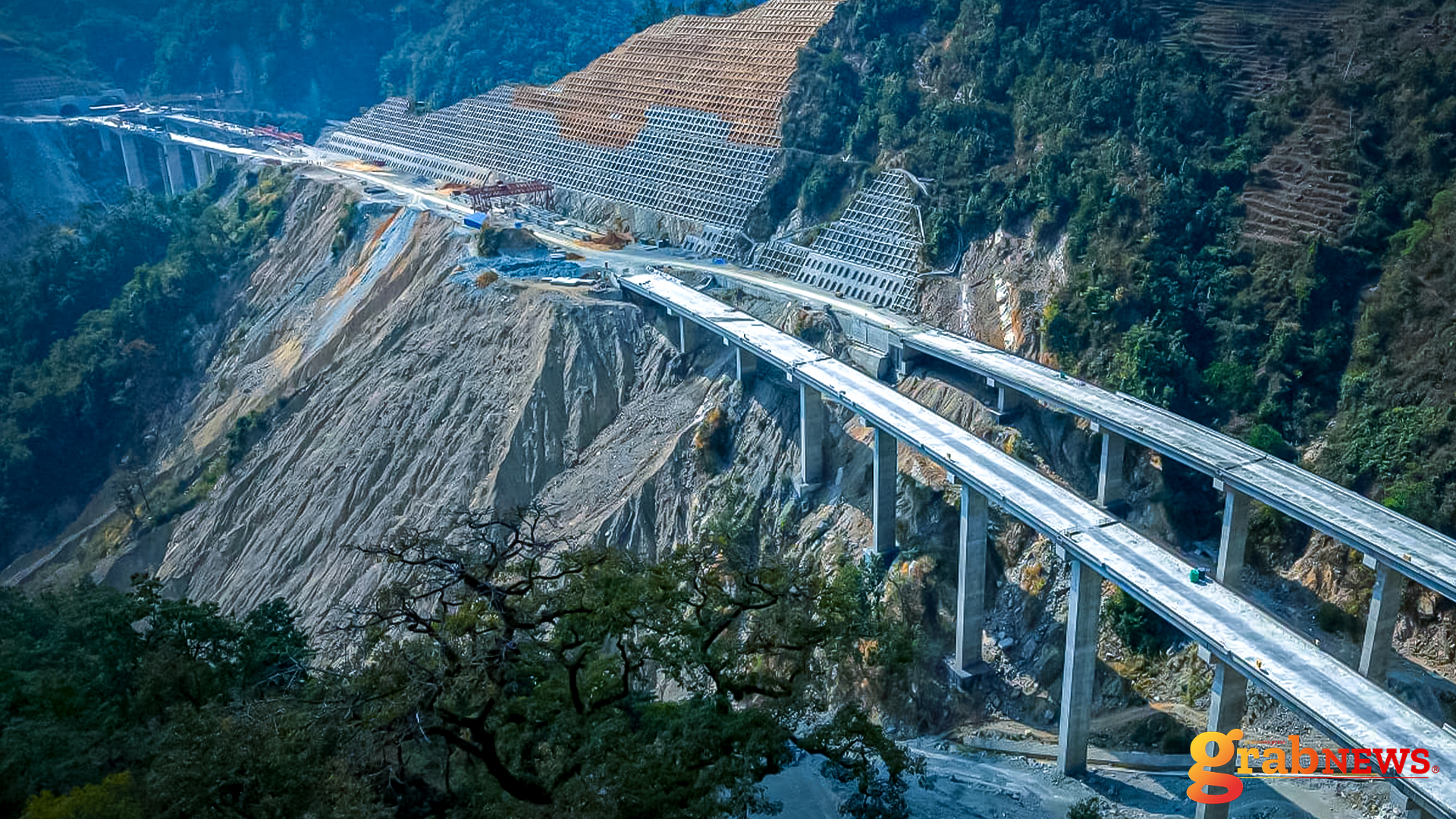
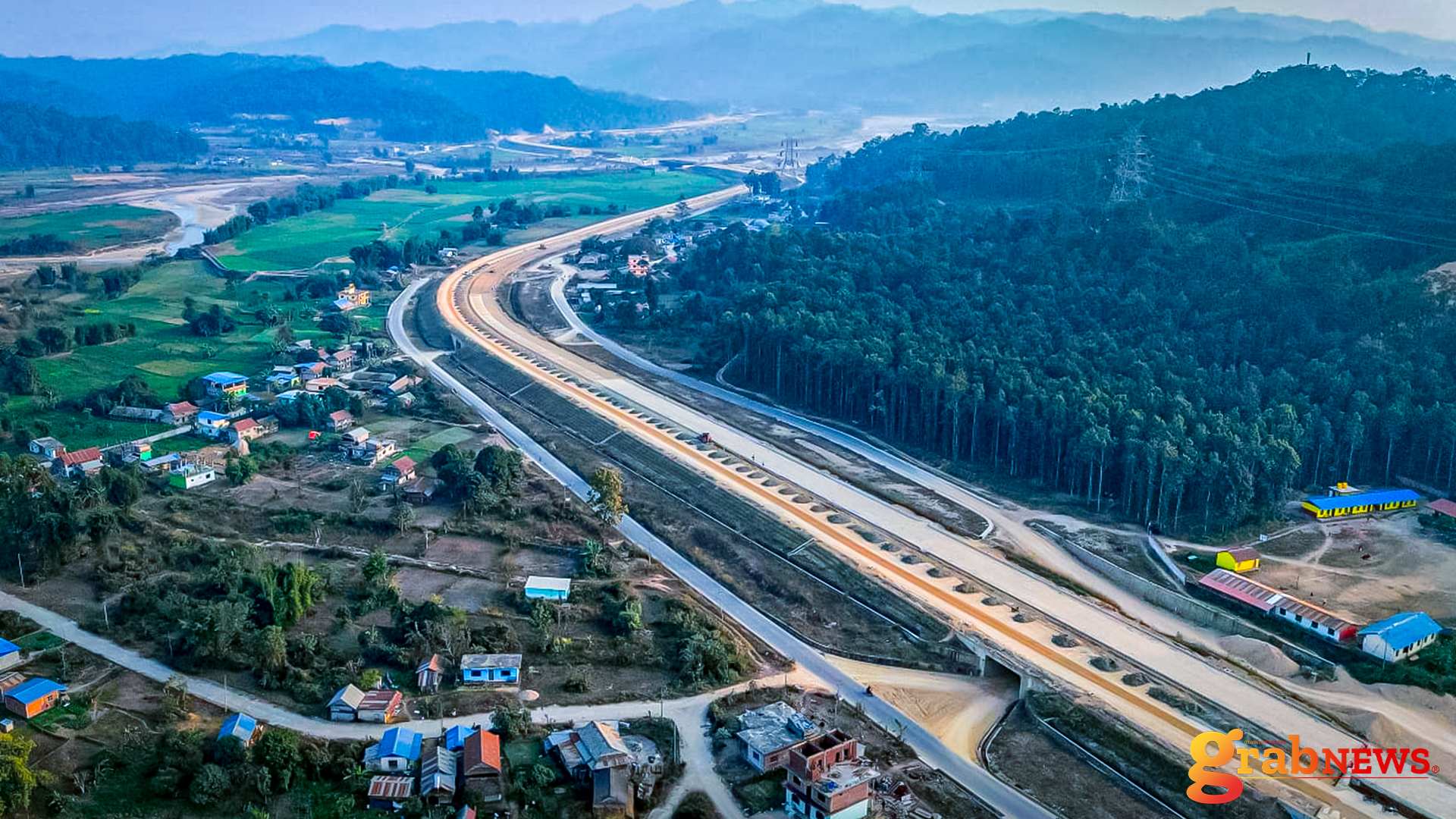
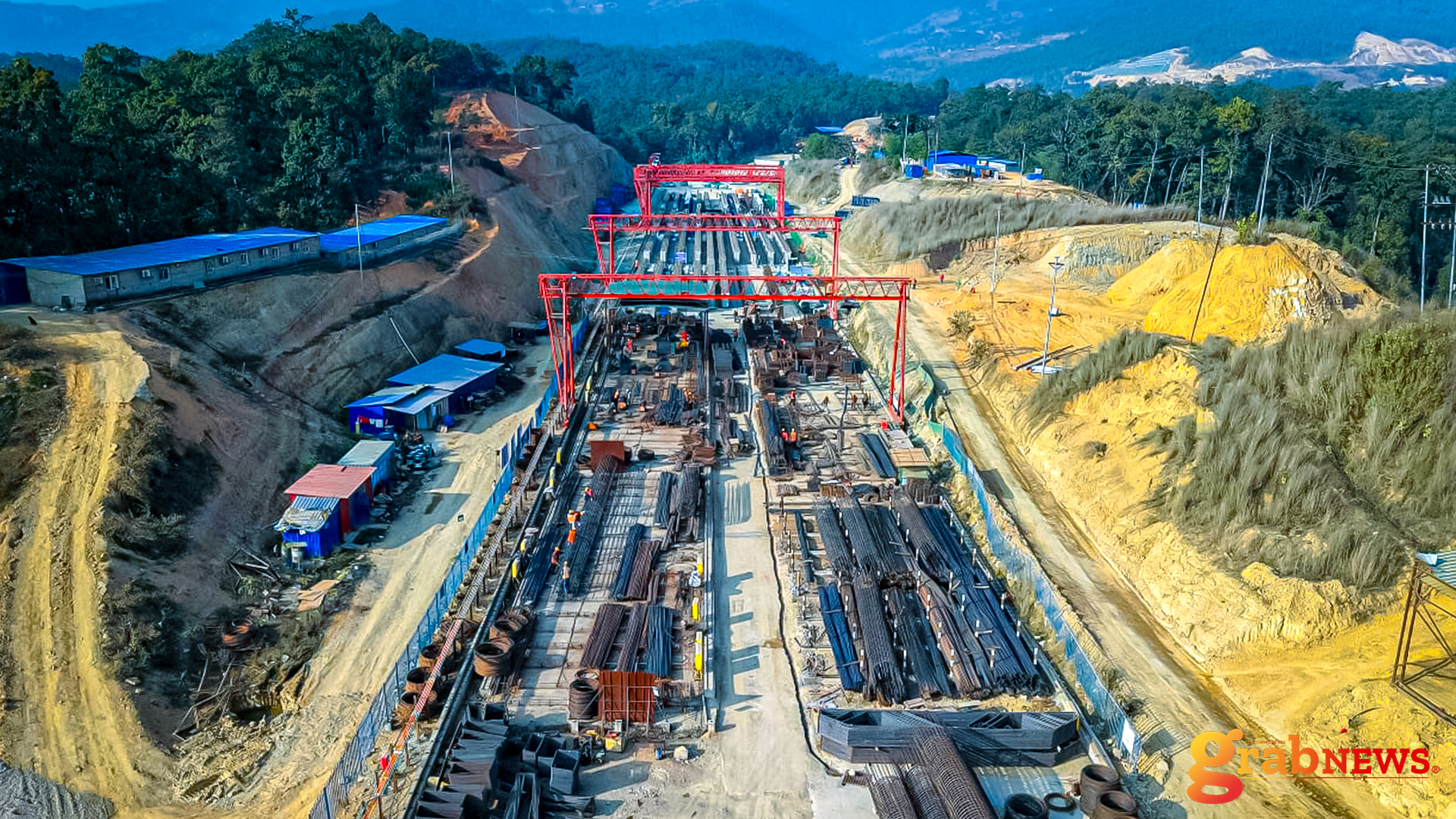
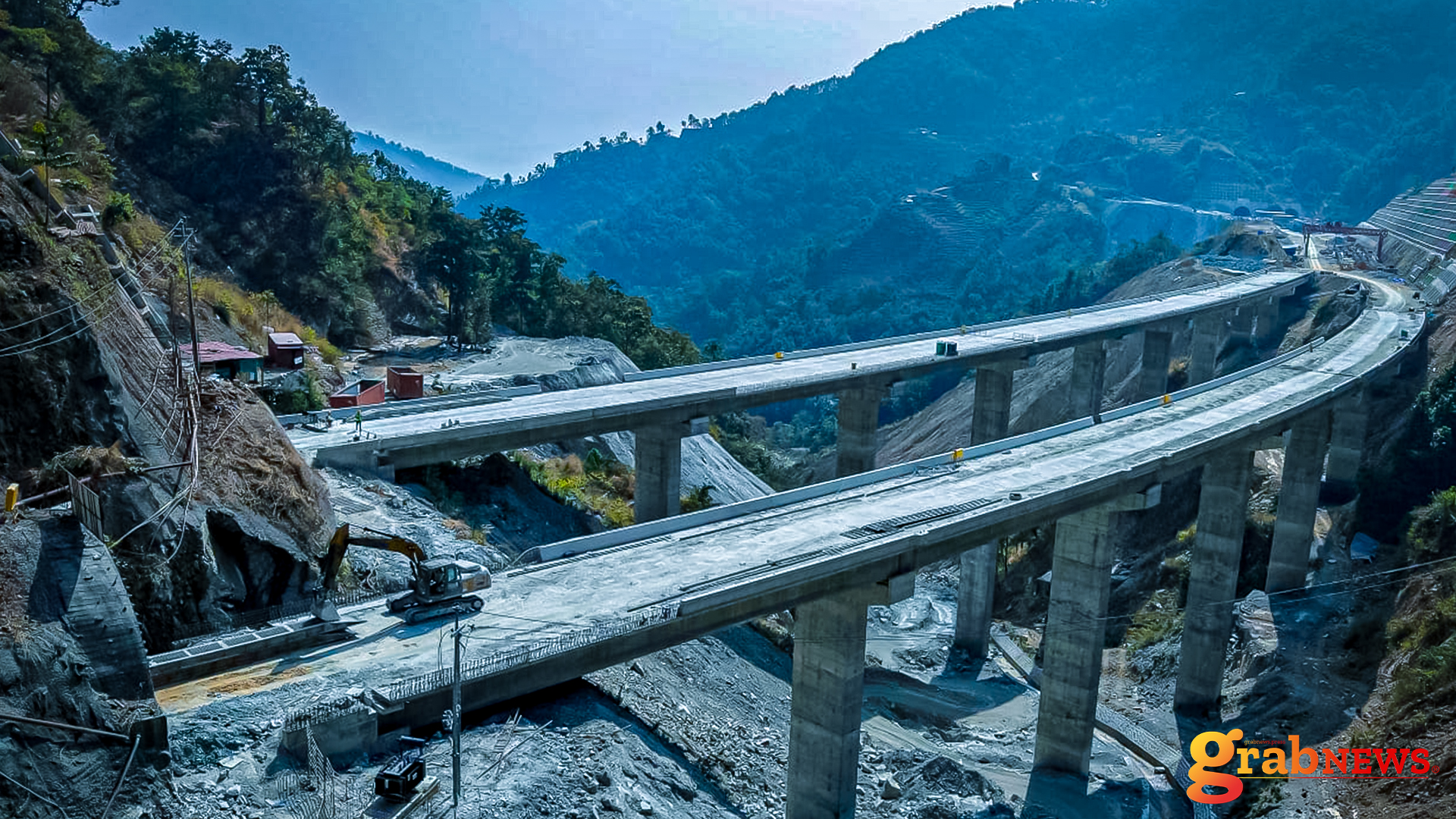
Bridges and Roadwork: Gradual but Visible Progress
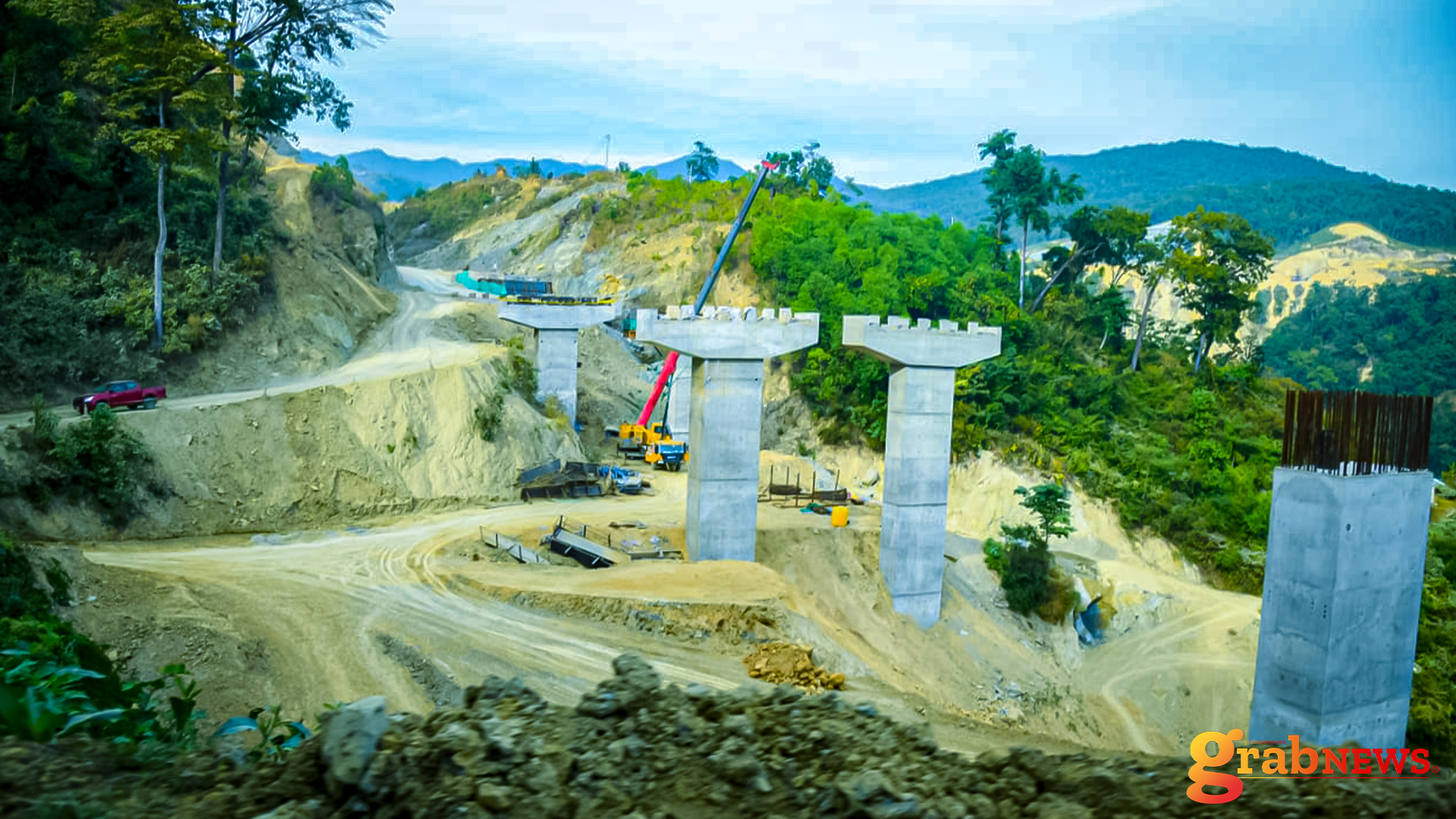
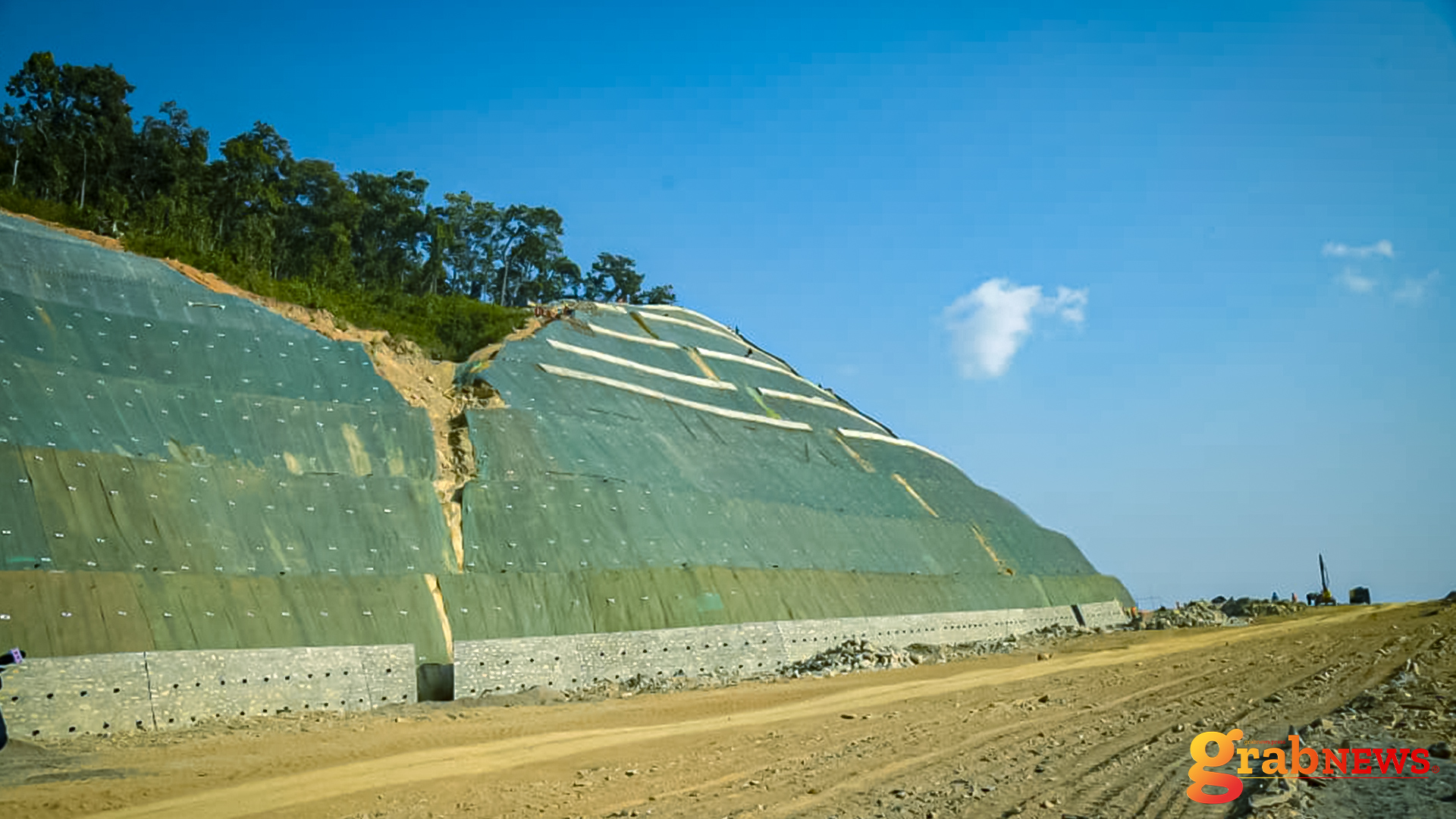
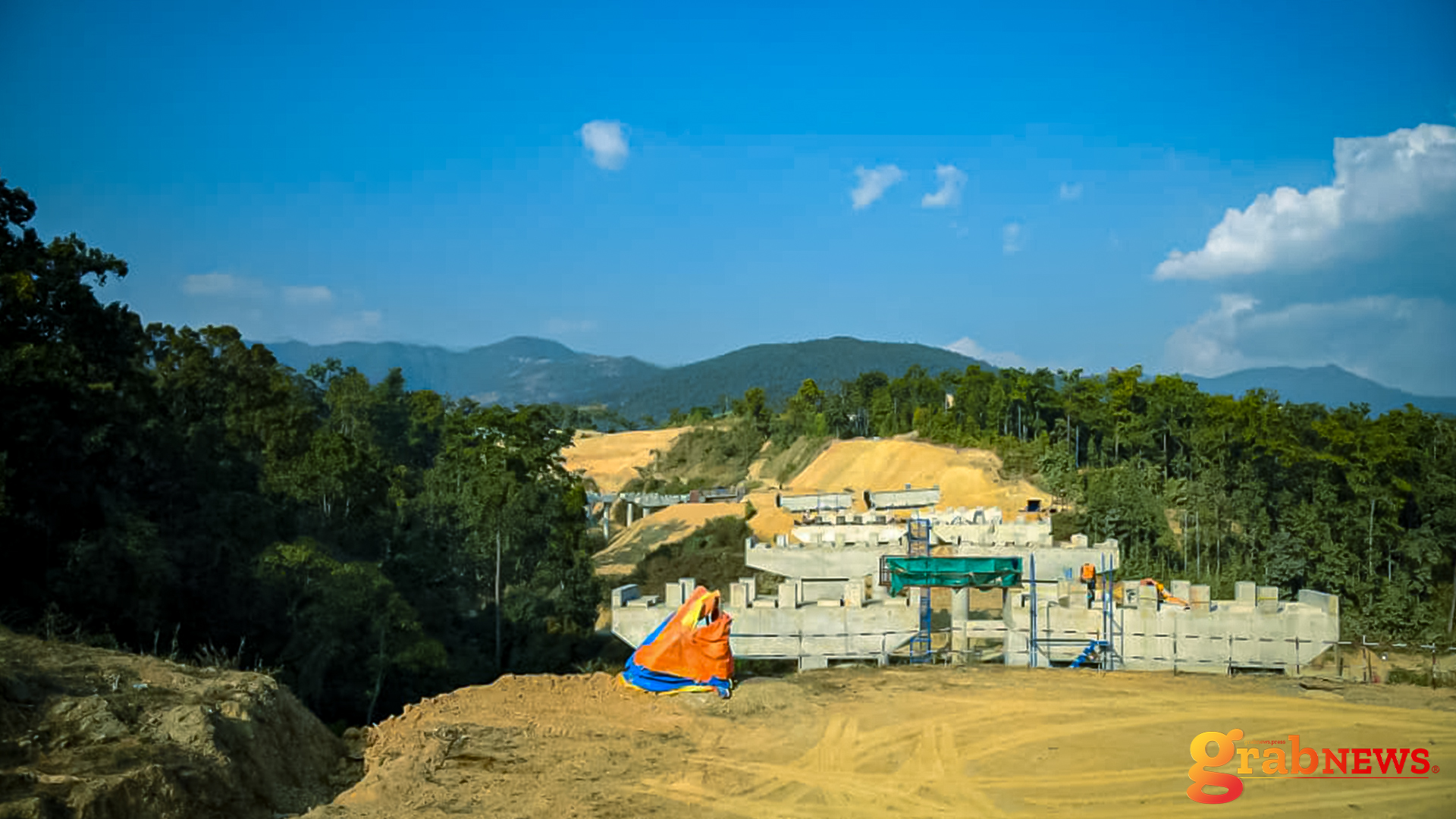
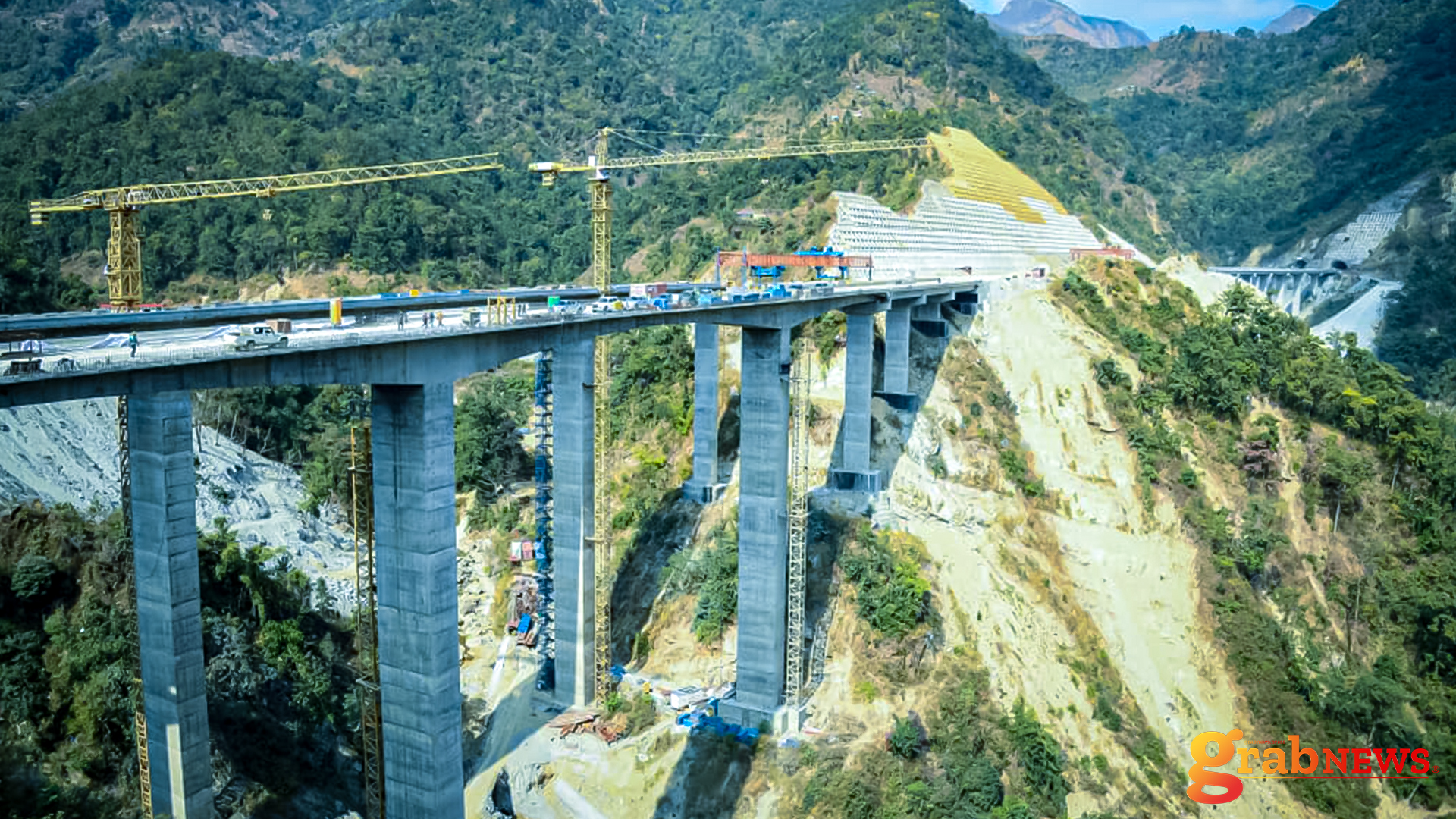
Out of 89 planned bridges along the fast track, foundation work has been completed at 56 locations, substructure at 38, and superstructure at 16. Contracts for 85 bridges have already been awarded and are under execution. The remaining four bridges fall within the problematic Khokana section, again highlighting how land issues are slowing down critical infrastructure. On the roadway itself, about 11.02 kilometers of sub-base and 5.5 kilometers of base layer construction have been completed. Blacktopping has begun but is still minimal only 0.2 kilometers on the main carriageway and about 5 kilometers on service lanes. Additional infrastructure elements like slope protection, culverts, optical fiber ducts, and electrification ducts are also under construction. Notably, animal underpasses have been completed in the Nijgadh section, showing some attention to environmental considerations something often ignored in big infrastructure projects.
Financial Overview: Billions Spent, Billions More to Go
The total estimated cost of the project stands at approximately NPR 2.11 trillion, including contingencies and price escalation. So far, around NPR 85.14 billion has been spent. However, when accounting for advances given for land acquisition, contractors, and utility management (including payments to the Nepal Electricity Authority), the net expenditure comes down to NPR 77.97 billion. In simple terms: a lot of money has already gone in, but the heavy lifting both physically and financially is still ahead.
The Bigger Picture
Let’s be real this project has been talked about for decades. Every government has promised it, every generation has waited for it. Now, with the Nepal Army at the helm, there’s at least a sense of discipline and continuity in execution. But here’s the catch: unless land acquisition issues especially in urban fringe areas like Khokana are resolved quickly, the timeline will keep slipping. Infrastructure doesn’t fail because of engineering; it fails because of politics and delays. Still, hitting nearly 47 percent completion is no small deal. If momentum holds and bottlenecks are cleared, Nepal might finally see this long-promised “game-changing” highway become a reality within this decade. And when it does, it won’t just be a road it’ll be a reset button for how this country moves.