The BBC’s Lopsided Lens: How “Shot Like Enemies” Distorts Nepal’s Gen Z Protests and Undermines a Nation’s Democratic Reckoning

As a documentary filmmaker myself, I have spent years navigating the ethical tightrope of storytelling-balancing raw truth with context, emotion with evidence, and individual tragedy with national reality. Watching the BBC World Service’s recent documentary Shot Like Enemies: Inside Nepal’s Gen Z Uprising left me deeply troubled. Released at a moment when Nepal stands on the cusp of historic elections in March 2026, the film constructs a narrative that paints the Nepal Police and the then government as villains in a morality play of state brutality against innocent youth. It selectively forensic-analyzes leaked police radio logs and cherry-picked videos to suggest a premeditated “shoot-to-kill” policy against unarmed children, while glossing over the chaos, arson, looting, and institutional attacks that defined the two days of September 8-9, 2025. This is not balanced journalism. It is a guided purge of nuance, feeding a naive Gen Z idealism disconnected from geopolitics, governance realities, and the fragile democracy of a landlocked nation caught between giants.

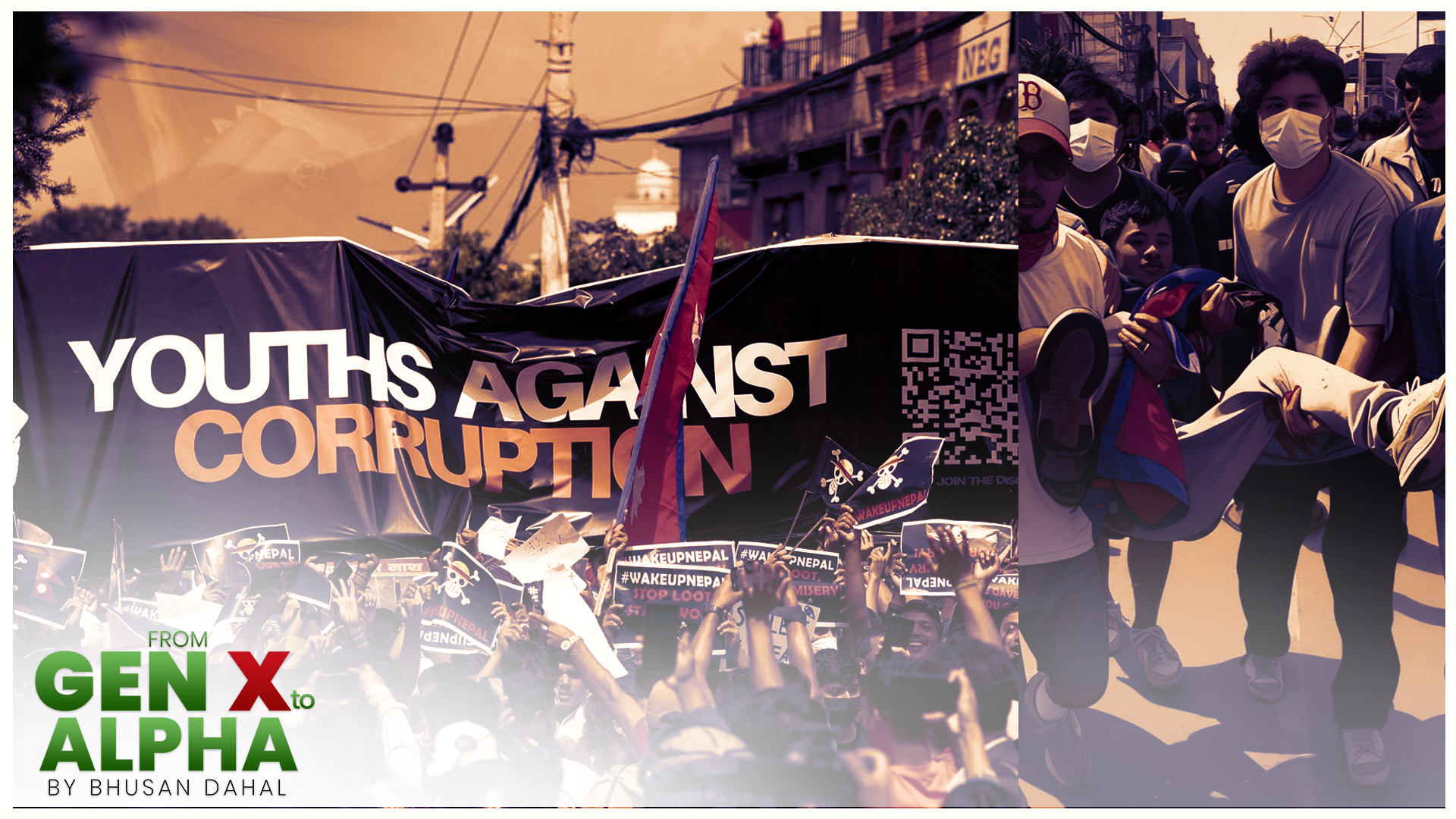
Let us start with the facts the BBC downplays or buries. The protests began legitimately. A government ban on 26 social media platforms on September 4, 2025, for failing to register under new digital regulations-aimed at enforcing taxes, VAT, and curbing unchecked misinformation-ignited simmering youth anger over corruption, nepotism (#NepoKids), unemployment (around 20% among youth), and elite excess in a country where remittances prop up 33% of GDP and average income hovers near $1,400. Thousands of Gen Z protesters gathered peacefully on September 8 near Maitighar and Parliament in Kathmandu. Their energy was admirable: a digitally native generation demanding accountability in a system long plagued by patronage.

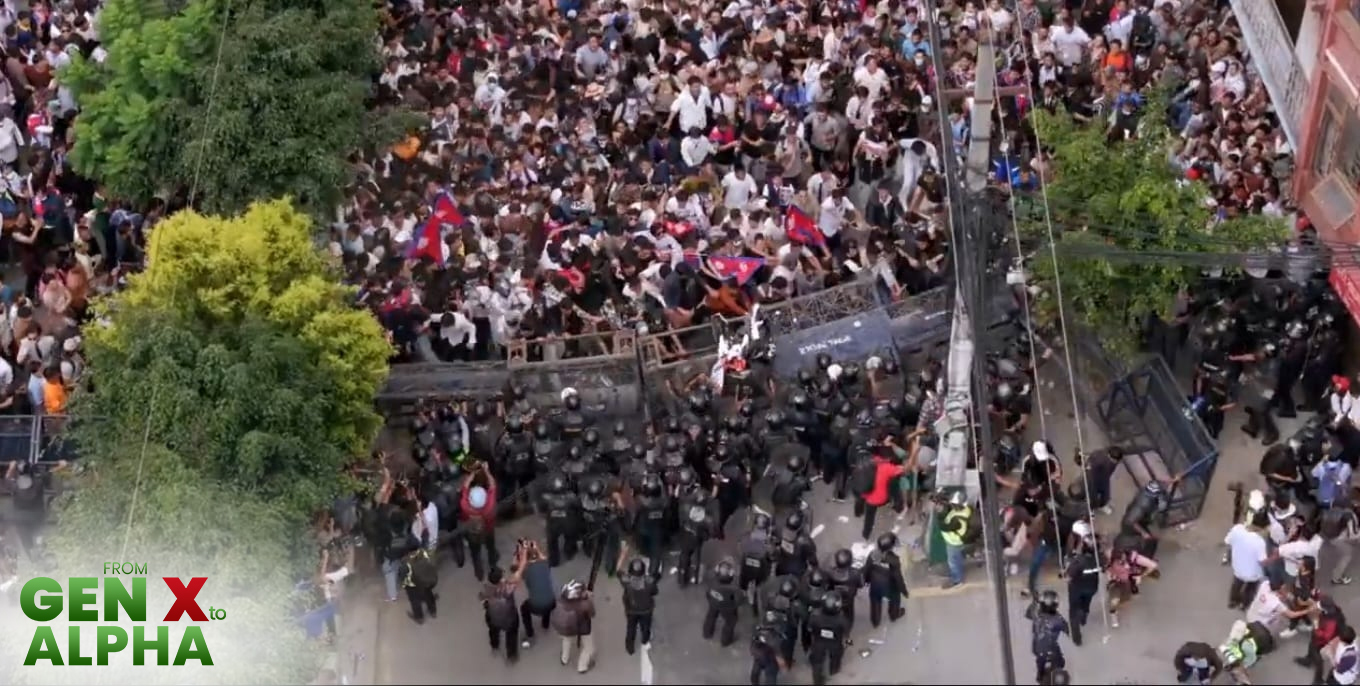
But peaceful protest does not remain peaceful when crowds climb perimeter walls, hurl stones at security forces guarding the seat of democracy, and ignore curfew announcements. Police responded in graduated stages-tear gas, water cannons, rubber bullets-standard protocol worldwide when public property and lives are threatened. Only when the situation escalated did “necessary force” get authorized, per leaked logs the ВВС sensationalizes as cold-blooded orders from then-Inspector General Chandra Kuber Khapung (“Peter 1”). Nepal Police has clarified this followed explicit approval from a government security committee, after non-lethal options were exhausted, and in line with Nepali law for protecting critical infrastructure. Tragically, 19 died in Kathmandu that day, including innocents like 17-year-old Shreeyam Chaulagain. Every death demands investigation and accountability – interim Prime Minister Sushila Karki’s government has pledged this, with compensation of NPR 1 million per martyr family. But framing these as “shot like enemies” while ignoring the mob dynamics ignores the reality: security forces faced thousands in a confined, highstakes zone. Forensic reconstruction cuts both ways; the BBC’s 4,000+ videos and photos do not show the full sequence of provocation. The film’s greatest omission?

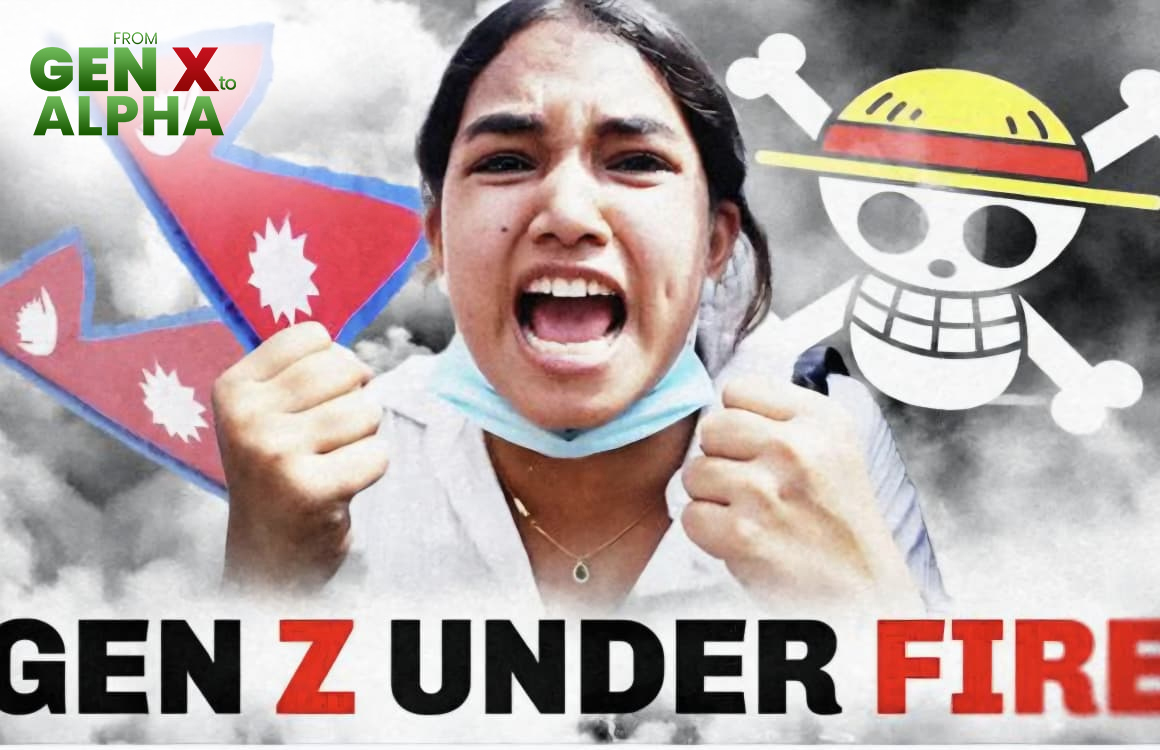
September 9-the day the “uprising” revealed its hijacked face. Gen Z organizers themselves distanced from what followed, calling it the work of “opportunists,” political cadres, and external elements. Protesters torched Parliament, the Supreme Court, Singha Durbar, the Presidential Residence, party headquarters, and leaders’ homes (including those of multiple former PMs). Prisons were stormed nationwide-over 13,500 inmates escaped, creating a security nightmare in a country already vulnerable to organized crime and cross-border threats. Three police officers were killed. Fires and clashes pushed the two-day toll to 76 dead (per Nepal Army reports: 22 protesters, 3 police, 10 prisoners killed during escapes, others in related violence) and over 2,000 injured. Economic damage exceeded $586 million. The army had to deploy, close Tribhuvan International Airport temporarily, and restore order. This was not “state overreach”; it was a sovereign response to near-anarchy that threatened the very institutions Gen Z claimed to reform.

Prime Minister Oli resigned on September 9. Parliament was dissolved. An interim government under respected former Chief Justice Karki took over, lifted the social media ban immediately, and scheduled fresh elections for March 5, 2026. Youth turnout will be massive (915,000 new voters). Far from a “modus operandi” of authoritarian control, this sequence demonstrates Nepal’s democratic resilience: grievances heard, leadership changed, elections advanced. The BBC portrays this as victory for the victims against a repressive regime. In truth, it is the system self-correcting without descending into the prolonged instability seen elsewhere in the region.

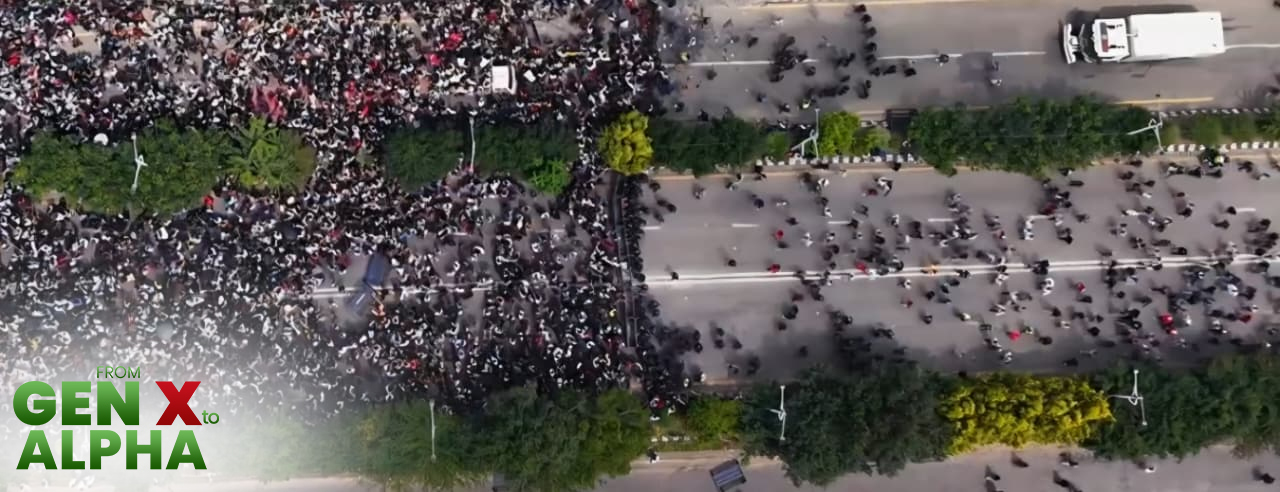
Here lies the deeper lopsidedness. The documentary treats Gen Z as pure, tech-savvy heroes-Rakshya Bam organizing via Discord, schoolkids in uniform-while erasing their political naivety. In a nation of 30 million sandwiched between India and China, where hydropower, borders, and debt diplomacy are existential, “anticorruption” protests amplified on foreign platforms risk becoming vectors for external influence. Social media trends do not equate to geopolitical literacy. The speed with which a regulatory ban morphed into burning the Supreme Court suggests coordination beyond organic youth rage-opportunists and cadres the Gen Z leaders themselves disowned. BBC ignores this, just as it skips the three police deaths, prison breaks, and economic sabotage. Selective empathy for “innocent youths” while justifying (or omitting) mob violence against the state is not reporting; it is ideological scripting.

International NGOs like Amnesty and Human Rights Watch echo the BBC’s focus on “unlawful killings” and “excessive force,” calling for probes. Fair enough-Nepal’s interim government is conducting them via judicial commission. But these voices rarely apply equal scrutiny to the arsonists who destroyed public assets or the digital echo chambers that escalated a policy dispute into national crisis. Foreign media, operating from London or New York, apply a one-size-fits-all “youth vs. dictator” template ill-suited to Nepal’s context: a young democracy recovering from decades of monarchy, insurgency, and coalition fragility.

Nepal does not need external validation to mourn its dead or hold its forces accountable. What it needs is recognition that maintaining order amid legitimate protest is not demonizable “brutality.” The police protected Parliament-not for personal power, but for the continuity of the republic the protesters demanded reform within. Gen Z’s passion is Nepal’s future strength, but unchecked it risks becoming a tool for those who benefit from chaos: regional players, vested interests, or global narratives that paint small nations as failed experiments. The BBC documentary arrives suspiciously close to our elections, prompting even Nepal’s Election Commission to flag its sensitivity and seek curbs on amplification. This timing amplifies its impact as thought-processing for a generation “ready” for premature polls but perhaps unprepared for the responsibilities of power. True documentary filmmaking demands the full mosaic: youth idealism, state restraint under fire, tragic loss on all sides, and institutional survival. Shot Like Enemies offers half the frame-emotionally potent, factually selective, geopolitically blind.

Nepal’s story is not one of purge or oppression. It is one of a nation absorbing shock, enforcing accountability, and marching to the ballot box. The youths who died deserve justice. So do the officers who stood their ground, the institutions that endured arson, and the 30 million Nepalis who deserve stability amid reform. Foreign cameras may zoom in on blood on the streets, but they miss the heartbeat of a resilient Himalayan democracy refusing to be lectured into instability. Let the elections of March 2026 write the real epilogue-not a BBC script.

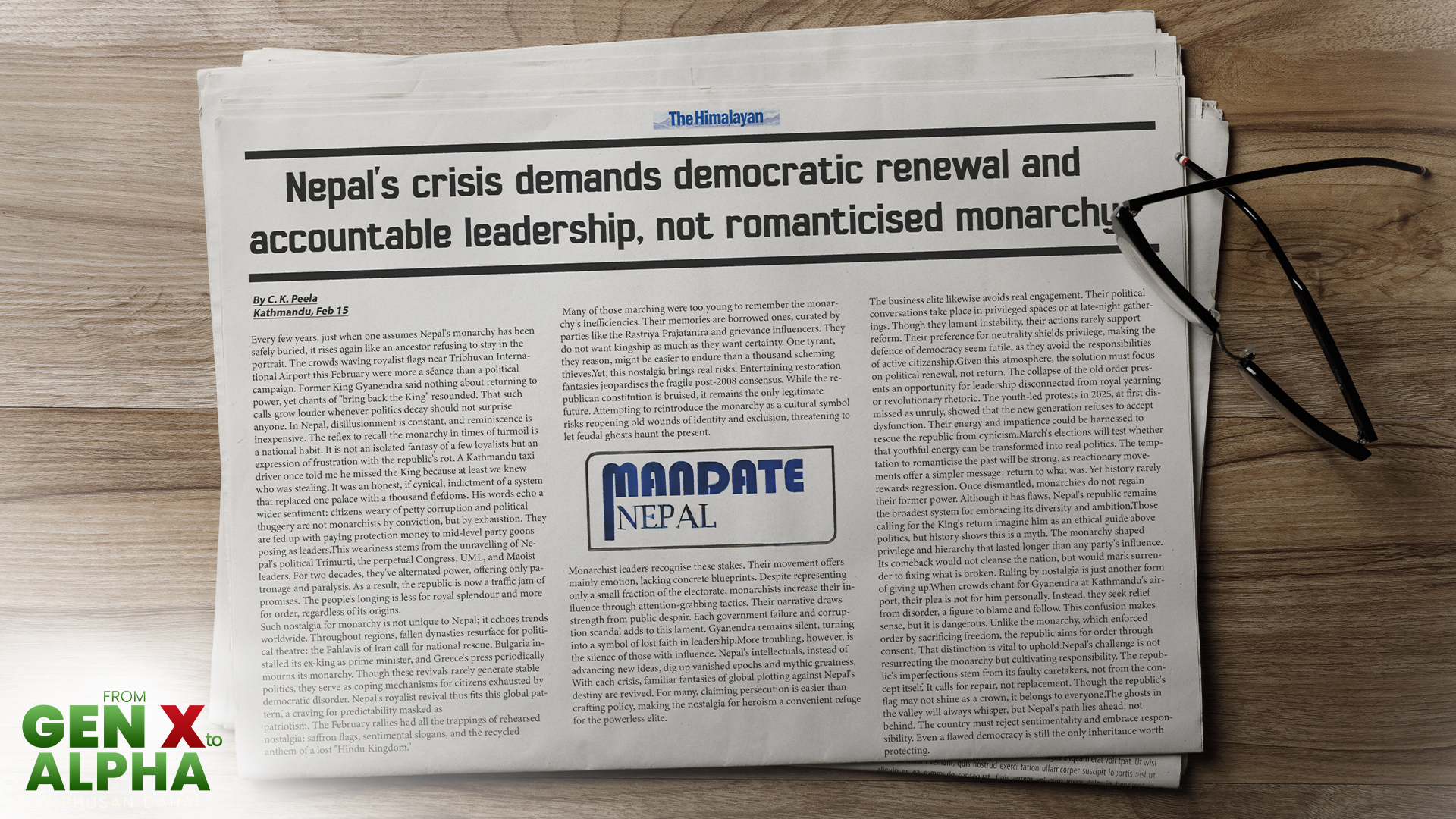
Nepal’s Monarchy: The Sacred Bond That Holds Us Together – 18 Years of Republican Ruin Demand a Reckoning – By Bhusan Dahal

Kathmandu, February 17 2026

CK Peela, our friendly neighbourhood Indian geopolitical guru, has once again descended from his Kathmandu balcony – probably with a fresh cup of masala chai and a copy of The Hindu – to deliver another TED Talk on why we Nepalese are too dumb to run our own house. In his latest dispatch, he calls the growing roar for monarchy’s return “nostalgia” and “feudal ghosts.”

Brother Peela, if this is nostalgia, then your endless lectures on our “democratic renewal” are straight out of the 1950s Delhi durbar manual titled How to Keep the Gorkhali in His Place. The man writes as if he’s Nepal’s unpaid life coach, when in reality he’s just the latest envoy from the southern neighbour who still thinks the 1816 Sugauli Treaty is a suggestion, not full stop. a Let’s talk about what Peela’s imported wisdom conveniently skips. The monarchy was never just a man on a throne. It was the heartbeat of this impossible, vertical country. It was the one thing that made a Rai from Bhojpur and a Thakuri from Jumla feel they belonged to the same story. During Dashain, the king wasn’t some distant ruler – he was the living symbol of the tika that every Nepali forehead received, from the highest lama in Mustang to the lowest metal man in Saptari. The national anthem didn’t praise a party or a constitution; it praised a lineage that had held this fractured land together for 250 years. That wasn’t politics. That was kinship. That was family. And then, in 2008, in a moment of post-Maoist delirium and New Delhi brokered backroom brilliance, we performed the world’s most expensive emotional lobotomy. We removed the heart and replaced it with a committee of 600+ egos.


Eighteen years later, the patient is on life support and still complaining about the surgery. We now have more governments than we have clean drinking water projects. Thirteen prime ministers, countless coalitions, and a world record in political musical chairs. Corruption didn’t vanish; it just got federalized now every province has its own little lootera-in-chief.

The youth are voting with their feet: boarding planes to the Gulf faster than you can say “federalism.” Remittances are our biggest export because dignity at home became a luxury item. The very idea of “Nepali” has been Balkanised into grievance groups. Everyone is a minority now. Everyone is oppressed by everyone else.

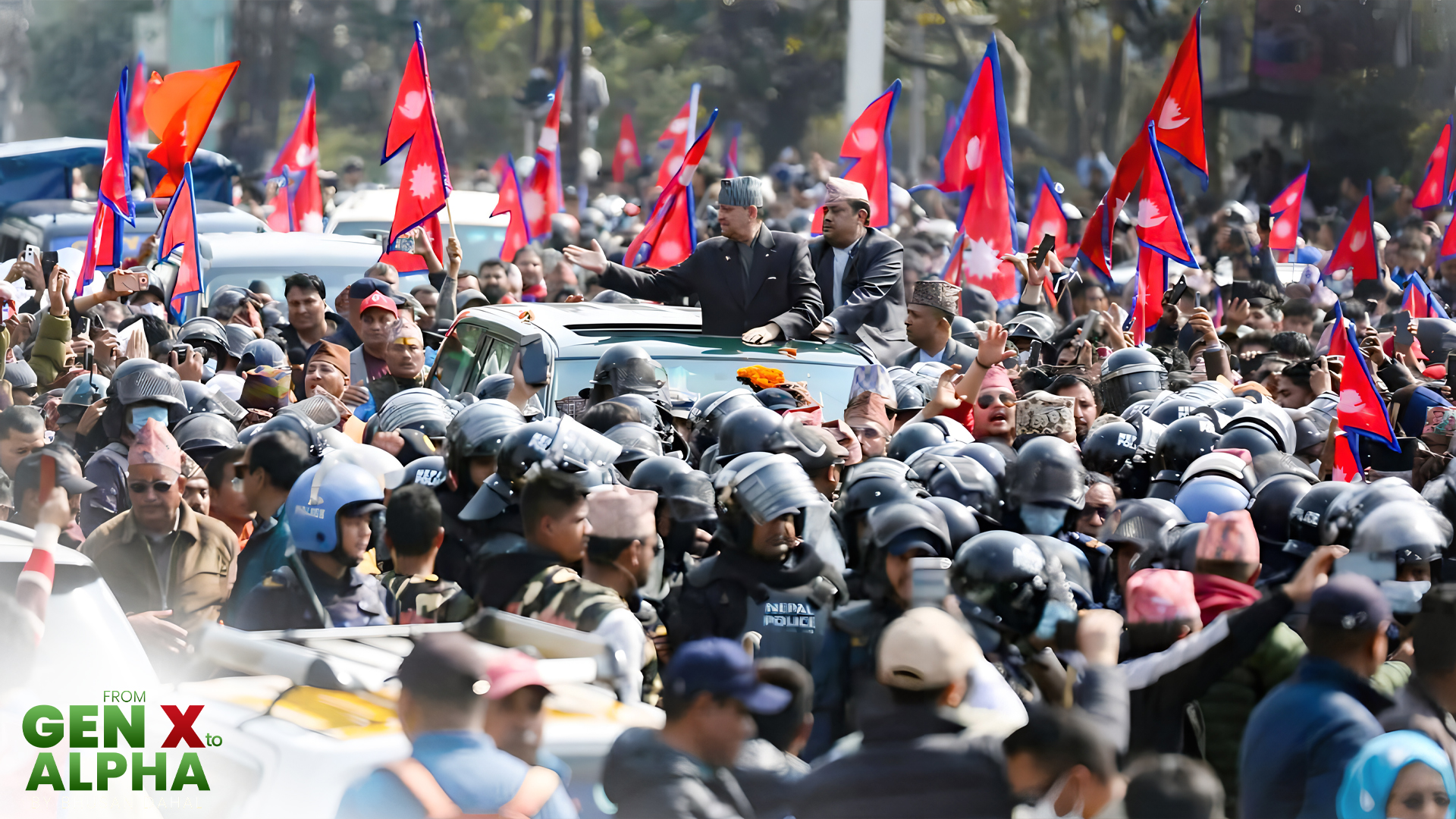
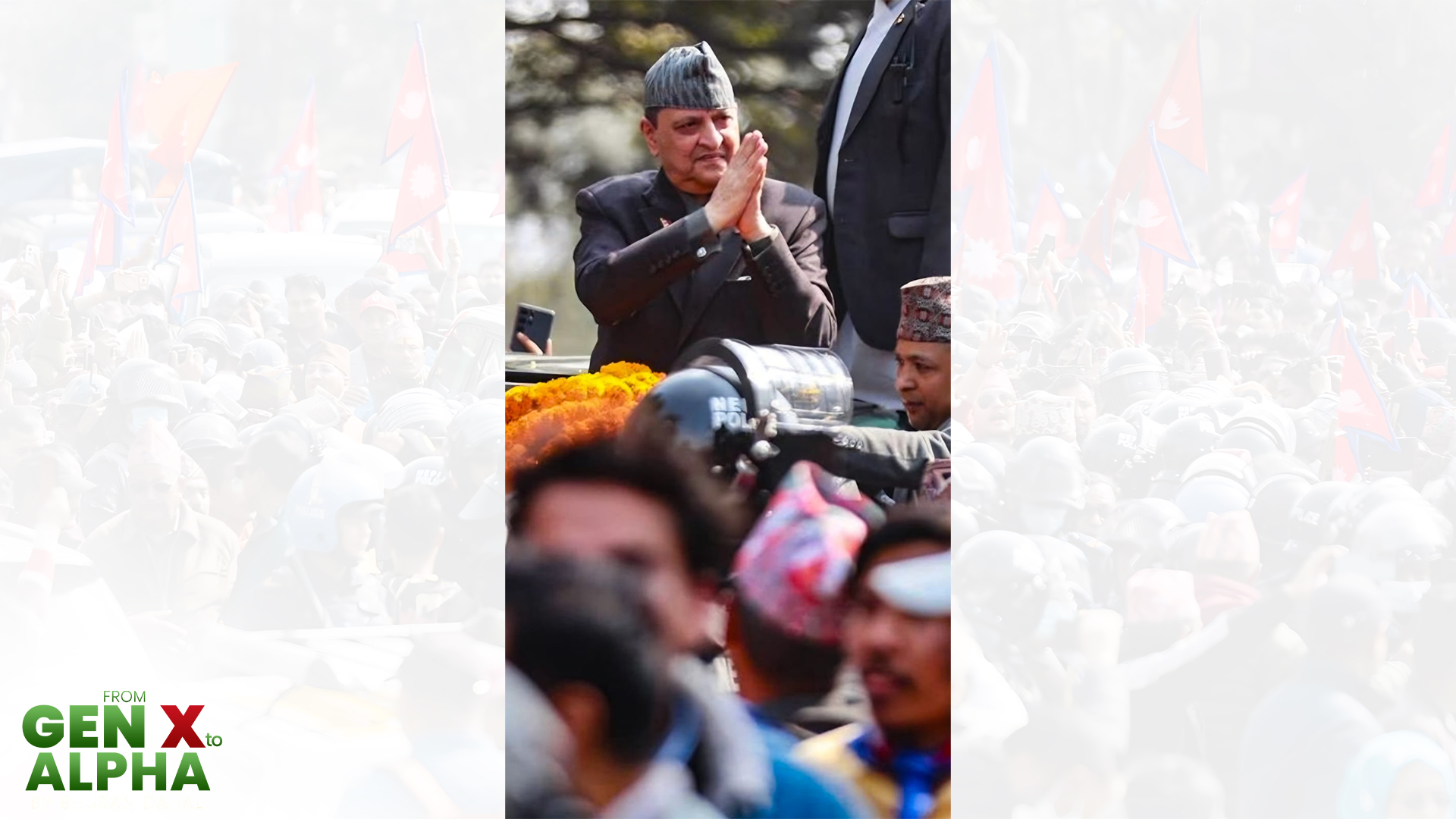
The republic turned us from one family into a dysfunctional joint family WhatsApp group – full of forwards, fights, and occasional blockades when someone doesn’t get their share of the daal bhat budget. And this, Mr Peela , is what you call “progress”? The Nepali flags waving at Tribhuvan Airport aren’t being flown by pensioners dreaming of the good old days. They’re being flown by kids who grew up entirely under your beloved republic. Kids who have never seen a king in person but have seen enough of your “republican” circus to know that something fundamental is missing. They want the institution back – not as a ruler, but as the one person in the country who doesn’t have to kiss the ring of a party boss or a foreign diplomat to exist. But of course, that terrifies the scriptwriters in South Block. Because a Nepal that feels whole is a Nepal that’s harder to bully with blockades, harder to lecture with 12- point agreements, and much harder to turn into a convenient buffer zone with a revolving door of pliable prime ministers.

Peela’s warning about “feudal ghosts” is adorable, really. It’s like the guy who burned down your kitchen lecturing you on fire safety. India’s idea of helping Nepal has always been the geopolitical equivalent of your nosy uncle who breaks your TV remote and then offers to fix it – for a small fee and permanent control of the volume button.


The open border cuts both ways, dost. The chaos you helped engineer here doesn’t stay neatly our side. It flows south with the Koshi and the Gandaki – in the form of fake refugees, counterfeit rupees, and frustrated young men who’ve had enough of being treated like junior partners in someone else’s neighborhood. So spare us the sanctimonious editorials, Peela ji. Eighteen years is long enough to admit we made a mistake.


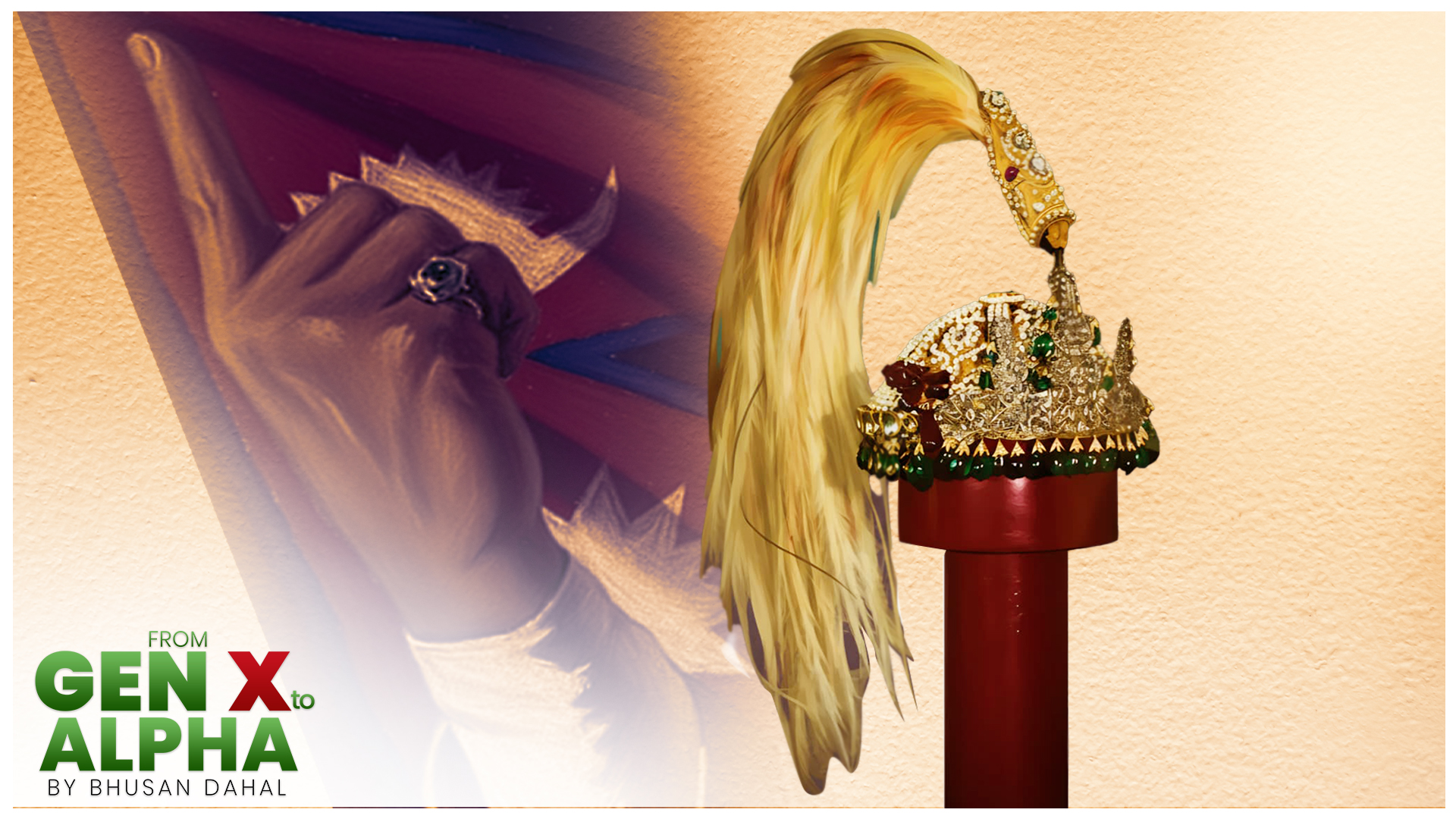
The monarchy may not have been perfect. But it was the one institution that belonged to all of us, not to any party, not to any donor, and certainly not to any foreign capital. Restoring it as a constitutionally recognized, nonexecutive crown isn’t regression. It’s corrective surgery. It’s bringing the heartbeat back to a body that’s been running on adrenaline and Indian advice for nearly two decades. The people are remembering the bond. And no amount of masala-flavored op-eds from Kathmandu balconies is going to make them forget it again.

The Discord Revolution: Nepal’s Youth Movement Ignites Existential Crises Across Institutions

Ah, Nepal-the land of Everest, enlightenment, and apparently, endless political entertainment. In 2025, this Himalayan haven decided to swap its serene stupas for a chaotic circus, courtesy of a Gen Z uprising that started on Discord (yes, the app meant for gamers trash-talking over Fort nite, not overthrowing governments). What began as a digital grumble against a ridiculous social communication ban has ballooned into a full-blown farce, complete with burning state and private establishments, jailbreaks (pioneered by a neo hopeful in judicial coustody) and a 73-year-old grandma-turned-interim PM voted in via emoji polls. It’s like if your group chat decided to run the country-and honestly, it might do a better job than the current jingbang. But beneath the laughs, Nepal’s in a steaming hot pot of soup, existential threats bubbling over political dinosaurs, corrupt cronies, and institutions that function about as well as a chocolate teapot. The world watches, chuckling at the spectacle, treating Nepal like the global village idiot who’s accidentally set his own house on fire while trying to light a cigarette. As of November 23, 2025, with fresh clashes in Simara-where youths lob stone bombs like confetti and cops respond with tear gas tantrums -the saga continues, proving that in Nepal, politics isn’t tragedy; it’s comedy gold with a side of tragedy.

Picture this: On September 4, 2025, Prime Minister KP Sharma Oli, slaps a ban on 26 social media platforms because, apparently, Reel dances are more dangerous than his government’s corruption scandals. It’s like banning forks because people are getting fat-utterly genius. Enter Discord, the irony machine: named for harmony, but in Nepal, it becomes the headquarters for harmonious havoc. Servers explode to 145,000 members, filled with memes roasting “nepo babies” like the offspring of politicos and tycoons scoring cushy gigs while average Joes queue for passports to escape this clown show. Take the 2024 wide-body aircraft fiasco: Officials skimmed millions in kickbacks, leaving Nepal Airlines grounded in debt, while viral Discord threads photoshopped leaders’ faces onto crashing planes. Stakeholders? Meet Shaswot Lamichhane, the 18-year-old Discord wizard moderating strategy sessions like a teen dungeon master; Rakshya Bam, 26, chatting up the army like she’s swiping on Tinder; Sudan Gurung of Hami Nepal, flipping from Tibet advocacy to protest catering (think water bottles and anti-corruption sandwiches); and shadowy pseudo leaders like “DiscordRebel007,” who pop up like unsolicited LinkedIn requests, dictating chants without a resume. By September 8, Maitighar Mandala turns into a mosh pit: Peaceful placards screaming “No more nepo!” morph into mayhem as cops fire live rounds, offing 22- including a kid filming his last TikTok in Nepal’s bloodiest anti-graft giggle-fest. Protesters torch gov n pvt houses like a bad barbecue, and a jailbreak frees 12,500 inmates who join the party with pilfered pitchforks. Meanwhile, “washed-out” leaders like Sher Bahadur Deuba (79, looking like he napped through the monarchy), Oli hide behind cronies implicated in scams like the fake Bhutanese refugee racket, where they sold Nepali dreams to the US for bribes and a confused PUSHchanda the miyaooist. It’s hilarious until you realize this soup’s so thick, Nepal’s youth are emigrating faster than rats from a sinking ship.

Nepal’s institutions? Think of them as a rusty bicycle held together by duct tape and prayers-wobbling toward oblivion. The bureaucracy, that partisan playground of incompetence, bungles basics like it’s an Olympic sport: Witness the 2024 сооperatives scam, where officials looted billions from poor savers, triggering rural suicides while they sipped chai in Kathmandu. Stakeholders include UML and NC-aligned desk-jockeys, whose “chronic incompetencе” means 2,000 youths bolt daily for foreign jobs, remittances keeping the economy afloat like a leaky lifeboat. The police, now under Inspector General Dan Bahadur Karki, are divided like a bad divorce: During September 8 chaos, they ditched posts faster than a bad date, letting rioters loot armories. Viral videos show cops stomping protesters’ heads while belting party anthems-because nothing says “law and order” like a political beat down. The Nepal Army, led by General Ashok Raj Sigdel, plays the ultimate fence-sitter: “Please-all” mode activated, they brokered Karki’s gig in a gunfire-laced tent meeting, but won’t touch loyalist goons with a 10-foot pole. Judiciary? A puppet show starring ex-Chief Justices: Sushila Karki, impeached in 2017 for daring to probe graft, versus Cholendra Shumsher Rana, booted in 2022 over lottery scams/family favoritism and of course Kalyan Shrestha the limelight seeker. Their evident tussles delays trials like the 60kg gold-in-e-cigarettes heist, with judges flipping like pancakes on constitutional matters, leaving provinces begging for crumbs. Courts are so confused about which constitution to defend, they might as well flip a coin-or better, consult a Discord poll. Globally, this makes Nepal the punchline: “How do you overhaul a system this broken? With a sledgehammer and a prayer wheel.”

Nepal’s 2015 constitution? It’s like smartphone from the Stone Age out dated, glitchy, and responsible for 14 governments in 17 years, each more unstable than a Jenga tower built by toddlers. a Stakeholders: President Ram Chandra Paudel, dithering like a deer in headlights over ordinances; interim PM Karki, emoji-elected in a September 9-10 Discord frenzy with 100,000 votes (because nothing says democracy like a thumbs-up emoji); and parties like NC and UML, sulking in the corner. March 2026 elections? A cosmic joke, with Karki’s crew pretending to guard the charter while army-led “people’s picnics” debate fixes around bonfires. Enter the “rogue imported narrative”: NGOs like Open Society Foundations (pumping cash since 2007) and NED smuggling in color evolution vibes, turning Hami Nepal’s chants into echoes of Bangladesh’s student shindigs -“Elite Out!” graffiti everywhere, like a bad street art festival. This nexus of youths, military, and opportunists consolidates power via kangaroo courts purging bureaucrats, making the world snicker: Nepal, where elections are as trustworthy as a politician’s promise.

Nepal’s foreign policy? It’s like a drunk tightrope walker balancing between India and China – overloaded PMs juggling diplomacy with recalled ambassadors who probably forgot their passports. Stakeholders: Karki, multitasking like a one-armed juggler; Indian and Chinese envoys whispering sweet nothings about BRI loans. Case in point: China’s Pokhara Airport, a BRI boondoggle where 2025 bribes turned it into a debt-trap ghost town, underused and overpriced like a luxury coffin. India nods approval to Karki while fortifying Lipulekh borders, youths burning Oli effigies near embassies in protest of “sellouts.” Oli’s scrapped India jaunt amid riots? Peak confusion. Imported rogue narratives-NED style destabilization kits-mimic Sri Lanka and Bangladesh, with Nepal eyeing BRICS like a kid at a candy store. Internationally, it’s meme fodder: Nepal, the ping-pong ball in Asia’s great game, bouncing hilariously toward irrelevance.

The private sector? A scared kitten in a room full of rocking chairs confused, corrupt, and crammed with cartels hiking prices like Everest treks. Stakeholders: Importers, Remittance tycoons, tourism barons and brokers knotted in political business tangles; outfits behind 2023 job scams stranding migrants like bad travel agents. September riots racked up Rs 36 billion in smashed windows and looted shops, per Transparency International’s 2024 roast (Nepal 108th, basically the dunce cap of corruption). Think some cola’s NGO tie-ups during protests or goldsmuggling e-cig empires dodging taxes via bribes. Youth boycotts like “No Buy from Nepo” target elite chains, leaving businesses hunkered like doomsday preppers. Worldwide, it’s a hoot: Nepal’s economy, where malpractice is the main export, making investors laugh all the way to safer banks.

Conclusion: From Digital Discord to National Reckoning

In the end, Discord-supposed harbinger of harmony-delivered Nepal a masterclass in discord, flipping the script on dinosaur leaders and forcing a comedic overhaul of creaky systems. From Alisha Sijapati’s tales of grassroots gaming revolutions to Morocco’s Gen Z echoes, this Himalayan hullabaloo enchants with its absurdity: A nation where teens topple tyrants via voice chats, but the soup’s so serious, it’s scalding. Bara’s petrol-bomb parties and Simara’s gas-cloud galas remind us: Nepal’s treated as the world’s laughing stock, a perpetual punchline in global headlines. Yet, beneath the satire, it’s a sobering stew-unless reformed, this circus risks becoming a tragedy. Time for Nepal to swap the clown shoes for hiking boots and climb out of this mess, or forever remain the butt of international jokes.

Nepal’s Gen Z Glow-Up: From Social Media Blackout to Throne Room Tease – But Hold the Election Hуре!

When Wi-Fi Dies, Gen Z Thrives (With a Side of Chaos)

Picture this: It’s early September 2025, and Nepal’s streets are basically a live-action Fortnite battle royale. Gen Z kids (we’re talking 15-25, the ones who can meme their way out of anything) hit Kathmandu like a viral dance challenge gone rogue. Why? A social media ban on September 4 that basically yelled, “Shut up and scroll no more!” What was meant to muzzle corruption call-outs turned into the “Gen Z Revolt” – a leaderless squad using Discord servers (yes, the gamer app) to coordinate epic takedowns. They torched government offices, yeeted into parliament, and by September 9, forced Prime Minister K.Р. Sharma Oli to peace out faster than a bad Tinder date. At least 25 folks lost their lives (bullet wounds), hundreds got hurt, and the whole country hit pause – airports closed, cities on lockdown. But here’s the tea: These weren’t just Wi-Fi warriors; they were screaming for a Nepal 2.0. Unemployment at 20.8% for youth? Check. Politicians’ kids flexing Rolexes on Insta while everyone’s broke? Double check. And now, amid the smoke, loud chants of “Bring back the king!” are turning into full-on group chat debates. But wait – before we fast-forward to elections in March 2026 (which feel as distant as a Gen Z retirement plan), let’s actually listen to these kids. Their voices aren’t just noise; they’re the blueprint for fixing this mess. Skipping straight to polls without stakeholder chats? That’s like dropping a sequel without reading the reviews – recipe for flop.

The 2015 Constitution: More Plot Holes Than a Bad Netflix Series

Ah, the 2015 Constitution – Nepal’s big “happily ever after” after years of civil war drama. It promised provinces, fair reps, and a PM who actually answers to parliament. Spoiler: It’s more like a chooseyour-own-adventure book where everyone picks “chaos.” Fast-forward to 2025: 14 governments in 17 years, none lasting a full term. It’s like musical chairs, but with corruption instead of music. Enter the plot twist — after Oli’s dramatic exit, former Chief Justice Sushila Karki swoops in as Nepal’s first female PM on September 12. Iconic? Sure. Constitutional? debatable. She skips the whole “get parliament’s thumbs-up” step and convinces President Ram Chandra Paudel to dissolve it anyway, slapping elections on March 2026. Nepali Congress and the Supreme Court (who’ve called out similar shenanigans before) are like, “Um, illegal much?” But here’s the real gag: This doc was supposed to shield folks from power grabs, yet it’s been wiped more times than a bad tweet. Economy’s tanking – remittances from abroad are the only glue holding it together – and innovation? Nepal’s chilling at 107th in the 2025 Global Innovation Index, probably because everyone’s too busy dodging joblessness. The social media ban? Final boss level trigger. Gen Z didn’t just protest; they exposed the Constitution as a glitchy app overdue for an update. But rushing to elections without hashing out these fails? That’s ignoring the bug reports from the users who actually play the game.

Monarchy Vibes: From “Old-School Cringe” to “Maybe Not So Bad?” Plus, How It Could Clap Back at Communist Shade

Okay, buckle up for the wildest subplot: In the middle of buildings burning and curfews dropping, Gen Z’s whispering (okay, tweeting) about reviving the monarchy. Yep, the one axed in 2008 for being too “dictator chic.” But 2025’s got folks rethinking – earlier this year, promonarchy rallies popped up in March and May, demanding a Hindu Adhirajya and crown comeback. Not everyone’s on board – or probably a resounding silent majority but more like a niche TikTok trend gaining traction amid the revolt for sure. Why? Back in king days, Nepal had that unity glow-up – a symbol everyone could stan, not some flipflopping pol. Geopolitically? Nepal slayed, balancing India and China like a pro gamer. Post-2015? We’re the awkward middle child in border spats and trade fails. Gen Z isn’t craving a crown-wearing overlord; they want a chill figurehead for stability, maybe even pride points on the world stage. Recent buzz? Even during talks, pro-monarchy voices like Durga Prasai tried sneaking in, but youth leaders shut it down hard – no royal revival on their watch. Still, the sentiment’s bubbling in group chats and streets. But let’s level up: How do modern monarchies even work without turning into medieval memes? Think constitutional monarchies – the upgraded version where the king or queen is basically a national icon with zero cheat codes for real power. In places like the UK, Sweden, Japan, and even Thailand, the monarch chills as head of state: cutting ribbons, hosting state dinners, and waving from balconies. Real decisions? That’s parliament’s gig – elected peeps handle laws, budgets, and foreign policy. The royal fam provides continuity (no election drama every few years), non-partisan vibes (they’re above the political roast sessions), and a unity symbol that glues diverse folks together. Hereditary? Yeah, but with constitutions slapping limits – no absolute rule, just constitutional sparkle. They’ve adapted by staying out of governance, focusing on charity, culture, and soft power – It’s like having a family heirloom that’s pretty but doesn’t run the house. Now, the spicy bit: How could a Nepal monarchy nuke that old anti-monarchy communist narrative? Communists have been dragging the crown since the 1940s, calling it feudal, oppressive, and antiequality – fueling the 1996-2006 Maoist insurgency that ended the monarchy in 2008. Pushpa Lal Shrestha translated the Communist Manifesto in the 1940s, and Maoists pushed for a people’s republic to smash royal privilege. But fast-forward: Communist-led govs since then? Plagued by splits, corruption, and flops – like the Nepal Communist Party’s legitimacy crisis under Prachanda and Oli. Restoring a modern monarchy could flip the script by exposing communist hypocrisy – they’ve been in power, yet instability reigns. Pro-monarchists argue it’d bring stability, end “endless instability and corruption,” and boost nationalism/Hindu identity to counter leftist secularism. It could improve India ties (Hindutva vibes hate commie leadership), rally anti-communist factions, and position monarchy as a “democratic reset” – not autocratic, but a unifying figurehead. By highlighting communist failures (unproductive politics, rural neglect), a restored crown could rebrand as pro-people, erasing the “oppressor” label with modern reforms. But here’s the fresh take: Before we yeet into election mode, articulate these whispers! Gen Z’s floor isn’t just about kings; it’s about unity, jobs, and not bowing to big neighbors. Elections in six months? Too far, too vague especially when not all stakeholders (youth, parties, even monarchists) are at the table yet.

The Waiting Game: Nepal’s on a Loading Screen, and It’s Buffering Badly

Nepal’s vibes right now? Straight-up precarious. Civil servants in tents, ministers scrambling like it’s a bad escape room, court docs half-toasted. Add earthquakes, border beef, and an economy that’s one remittance dip from a faceplant. But the real clown show? Conspiracy TikToks blaming “CIA plots” or “Indian spies” for everything, ignoring that it’s homegrown rage. This paranoia? It’s why fixes flop – disasters get botched, innovation stalls, and brain drain hits hard (Gen Z’s bouncing abroad faster than you can say “visa”). If elections drag or get delayed, demands like a Hindu state, direct votes, or justice for revolt violence could spark round two. Tourists? Ghosting. FDI? Doubled commitments, but post-protest jitters could scare ’em off. The danger? Treating elections as the endgame without engaging Gen Z now. Their issues corruption, nepotism, economic stagnation aren’t tabled fully. PM Karki’s recent chats with parties and youth are a start (as of late October 2025), but it’s baby steps. Waiting game? Nah, that’s a losing strat. Articulate the Gen Z voice first – roundtables, not rallies – or watch the fire emoji turn real again.

Skip the Band-Aid, Build the Glow-Up With Gen Z Leading the Chat

Gen Z didn’t arson for likes; they want a Nepal that’s lit in all the right ways – fair gov, clean bureaucracy, cops who protect, not puppet. Trust facts over fake news, and reclaim that global swagger. The monarchy buzz? It’s a symptom of desperation for unity, not a cure-all. But elections in March 2026? Feels like promising pizza next year when everyone’s starving now. Lack of full stakeholder engagement means not all cards are on the table – youth demands, monarchist conclutions, economic woes. Fresh perspective: Pump the brakes on poll rants and amplify Gen Z’s floor. They’re the devs Nepal needs for the reboot. Make it theirs with action, not just whispers. Otherwise, the revolt’s sequel drops sooner than you think.

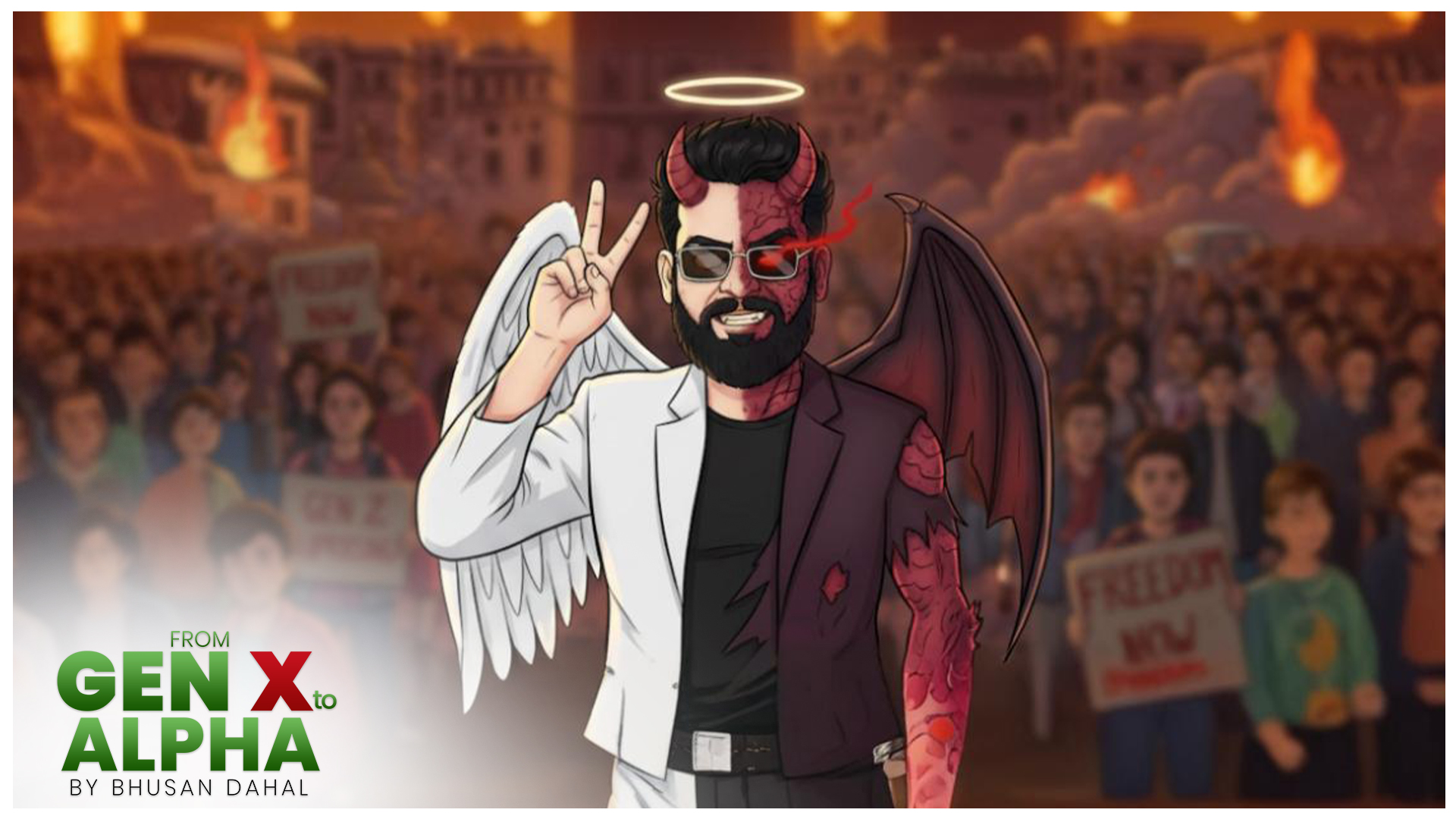
Lucifer Balen: Fallen Prometheus of Kathmandu’s Revolution

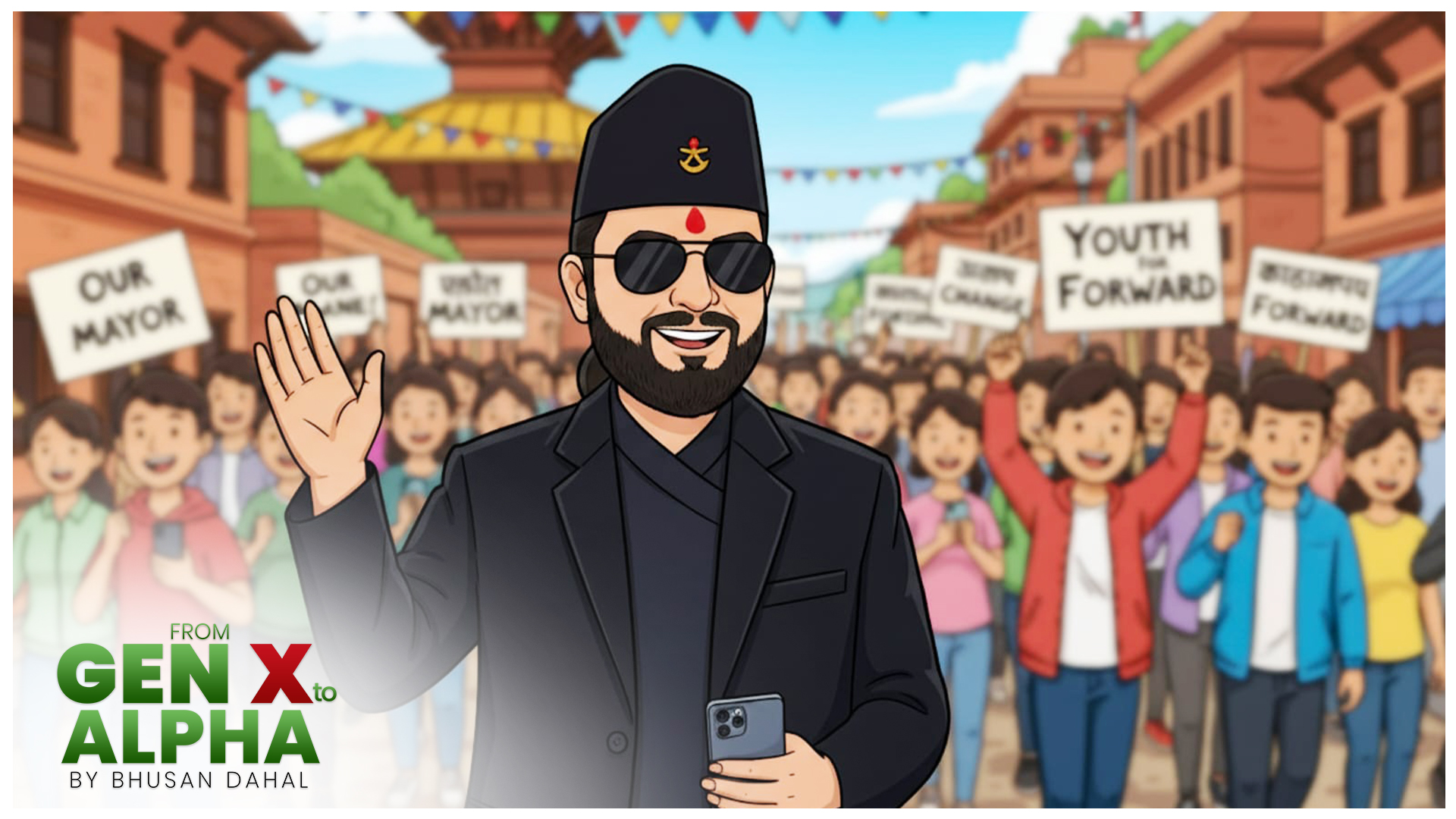
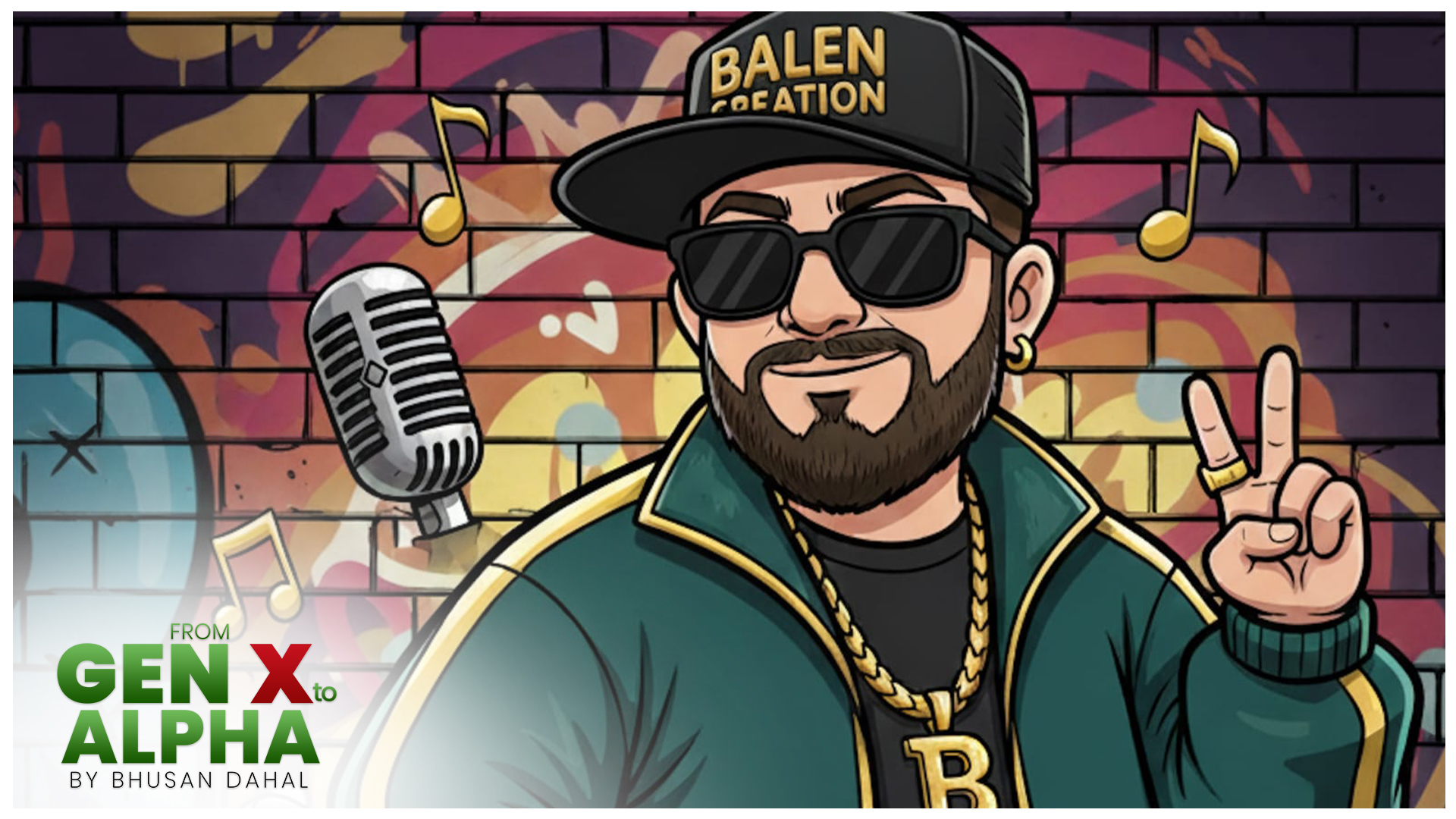
In the shadow of the Himalayas, where ancient temples meet the digital age’s fury, Balendra Shah-better known as Balen stands as both savior and scapegoat. The 35-year-old mayor of Kathmandu, a former rapper with a engineer’s precision and a rebel’s fire, has become the improbable epicenter of Nepal’s turbulent September. Once hailed as the voice of a disillusioned youth, he now grapples with the moniker “Lucifer,” thrust upon him by critics amid the ashes of a Gen Z revolt that scorched the nation’s political landscape. But like the biblical figure he evokes, Balen’s story is one of light and shadow, rebellion and reckoning-a tale where symbols shift with the beholder’s gaze, much like democracу itself.

From Rap Bars to City Hall: The Rise of Balen Shah

Balen’s ascent defies Nepal’s entrenched political dynasties. Born in 1990 in Kathmandu, he traded structural blueprints for sharp-tongued hip-hop tracks that lambasted corruption and inequality. Songs like those railing against “thieves looting the country” resonated with a generation stifled by unemployment and nepotism. In 2022, running as an independent, Balen stunned the establishment by clinching the Kathmandu mayoralty with over 61,000 votes-a “Balen effect” that rippled across Nepal, inspiring young independents nationwide. His governance style is as unfiltered as his music: live-streamed council meetings, bulldozing illegal structures, and public shaming of negligent officials. Garbage strewn streets began to clean up; traffic snarls eased. To his fans, he was no mere bureaucrat but a disruptor, a light-bearer in a city choked by smog and scandal. Yet Balen’s charisma is laced with enigma. Не rarely grants interviews, preferring cryptic social media posts that blend policy updates with philosophical musings. This stealth elusive as a Himalayan mist fuel both adoration and suspicion. Supporters see a principled loner; detractors, a calculating operator pulling strings from the shadows. As one on X @adhramita quipped amid the chaos, “Sun rose too early? Balen Shah. Your Wi-Fi is slow? Balen Shah.” In a nation where leaders are often caricatured as puppets, Balen’s opacity adds spice to the controversy, turning him into a Rorschach test for Nepal’s fractured psyche.

The September Inferno: Gen Z’s Revolt and the Shadow of Destruction

The backdrop to “Lucifer Balen” is a blaze that nearly consumed Nepal. On September 8, 2025, what began as a peaceful rally against a draconian social media ban-imposed amid rampant corruption scandals-erupted into the bloodiest youth uprising in decades. Gen Z, under-28 protesters in school uniforms and with books in hand, marched on Kathmandu, Pokhara, Itahari and quite a few other addresses demanding not just lifted restrictions but systemic overhaul. The government’s response was swift and brutal: security forces fired on crowds scaling parliament walls, killing 19-many teenagers still in college attire-and injuring over 345. Arson followed: Parliament, the executive premise and judiciary torched, the presidential residence gutted, media houses and private properties aflame, shopping malls looted. Prime Minister КР Sharma Oli resigned on September 9, the ban was rescinded, and former Chief Justice Sushila Karki (74) stepped in to lead an interim government. Balen, too old for the under-28 banner at 35, watched from City Hall. In a pivotal Facebook post, he declared full sympathy for the “spontaneous Gen Z movement,” urging politicians not to hijack it for party gain and asking, “What kind of country do you want to see?” His words ignited online fervor: #BalenForPM trended globally, dubbing him “Nepal’s potential prime minister without personal interest.” Half of Nepal’s population under 30 saw in him credible face for change-an anti-corruption warrior who could bridge rap’s raw energy with governance’s grind. But as the smoke cleared, so did the illusions. Balen’s post-revolt silence shifting to mundane municipal updates stirred discontent even among allies. Whispers grew: Did his endorsement embolden the chaos? Was he the hidden architect, or merely a bystander profiting from the pandemonium? The destruction estimated in billions of rupees, with irreplaceable cultural sites scarred demanded a villain. Some pointed fingers at foreign meddlers or party agitators, but increasingly, at Balen. “Encouraging violence,” one critic charged, linking him to “wet dreams of Greater Nepal” and anti-India rhetoric. In this blame game, Balen became the fall guy for a revolt that spiraled beyond anyone’s control.

The Lucifer Label: A Moniker Born in Fire

The epithet “Lucifer” crystallized in the revolt’s aftermath. Commentator Saurab, in a viral interview with journalist Tikaram Yatri, branded Balen as such-evoking the “morning star” fallen from grace, a symbol of hubris and infernal ambition. The remark exploded online, spawning memes, threads, and a polarized lexicon: #LuciferBalen trended alongside defenses portraying him as a “dark agent dismantling mafia strongholds. What began with one voice echoed through many, turning a theological metaphor into a political weapon. Lucifer, after all, is no monolith. In Christian lore, he’s the prideful angel cast from heaven, embodying temptation and evil-a cautionary tale of rebellion’s cost. Yet to Gnostics and esoteric thinkers, he’s Prometheus unbound, the light-bringer gifting knowledge to humanity, challenging tyrannical order. Modern Satanists recast him as individualism’s icon, a defiant spark against conformity. Balen, in this mirror, reflects these facets: To Gen Z devotees, he’s the enlightener, his rap-fueled critique illuminating corruption’s underbelly. To old- guard loyalists, he’s the destroyer, his “stealth and illusive personality” a devilish sleight-of-hand fanning flames for personal gain. This duality spices the controversy, much like democracy-a system venerated as freedom’s bulwark by some, decried as mob rule or elite capture by others. Balen’s Lucifer tag argues the same ambiguity: Is he the revolt’s unintended casualty, blamed for destruction he neither ignited nor quelled? Or a cunning provocateur, whose silence post-uprising betrays complicity? Critics decry his alleged ties to external forces US ambassadors, shadowy cabals-while fans rap odes to his “steel soul” tearing down the wicked. In Nepal’s echo chambers, Lucifer Balen is democracy incarnate messy, multifaceted, and eternally contested.

A Nation at the Crossroads: Hero, Devil, or Something In Between?

As Sushila Karki’s interim regime stabilizes the rubble, Balen’s path forks dramatically. Gen Z campaigns persist, with X pleas like “Balen Dai, take the lead. Nepal is behind you.” International eyes-from Time magazine’s emerging leaders list to Reuters spotlights-watch warily, pondering if this bearded ex-rapper could helm the nation. Yet the Lucifer shadow lingers, a reminder that revolutions devour their symbols. Balen’s elusiveness refusing Saurab’s barb, dodging the national stage-only heightens the intrigue. Is he biding time for a PM bid, or retreating from the inferno he helped stoke? In Kathmandu’s labyrinthine alleys, where incense mingles with tear gas residue, Balen Shah embodies Nepal’s paradox: a light-bearer fallen into controversy, a democrat cast as devil. Like Lucifer, his legacy hinges on interpretation. To the youth he inspired, he’s redemption’s promise. To those he displaced, apocalypse incarnate. And to history? Perhaps the spice that makes democracy’s brew palatable-or poisonous. As one observer noted amid the blame, “Whether you love him or hate him… this man’s single post sparked the entire overturn.” In the end, Lucifer Balen isn’t just a mayor; he’s a mirror, reflecting the chaos we all court in the name of change.

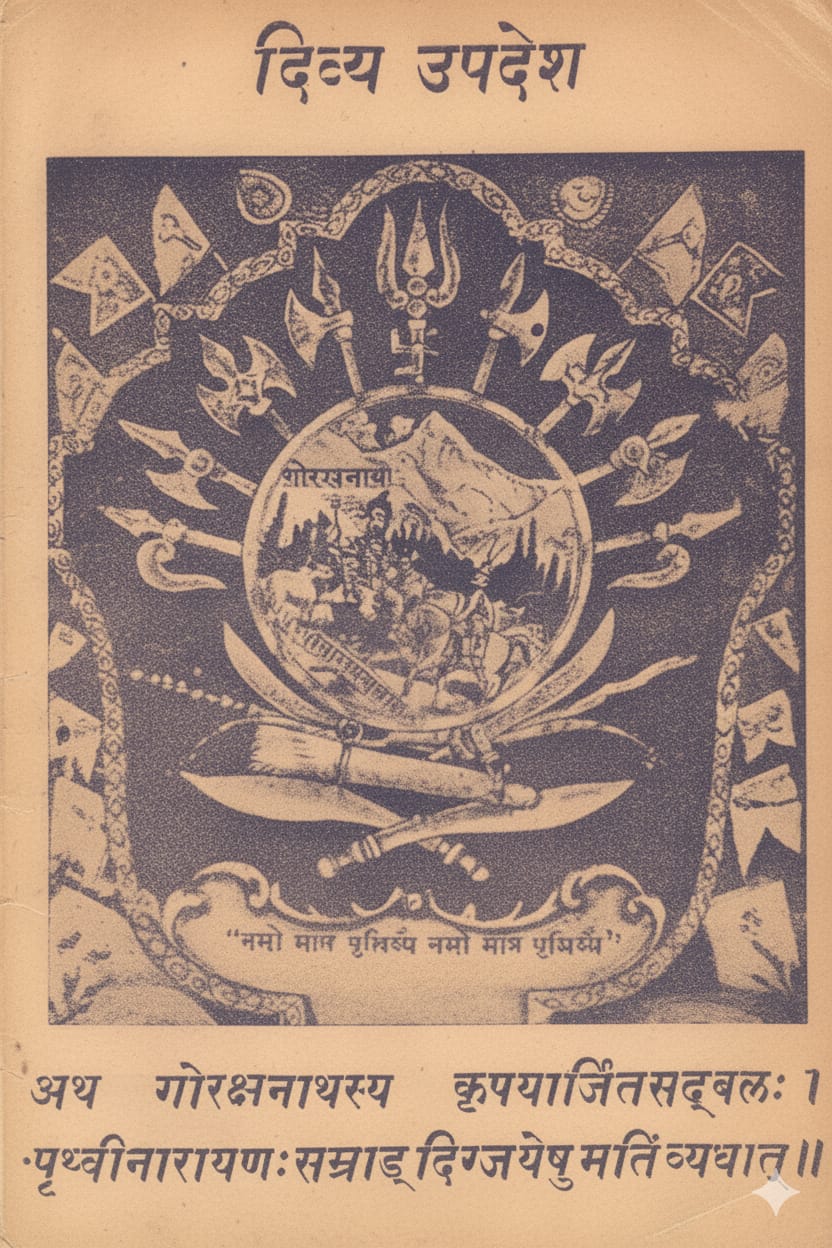
Nepal’s Eternal Constitution: The Divya Upadesh and the Path to Sovereignty

Nepal, a nation forged through the vision and valor of King Prithvi Narayan Shah the Great, has stood as a unified entity for centuries, predating even the formation of the United States. At the heart of this unification lies a timeless guiding framework—the Divya Upadesh (Divine Counsel), a set of principles laid down by the founder of modern Nepal. This article argues that the Divya Upadesh is Nepal’s eternal constitution, a sacred blueprint that transcends the need for modern constitutional experiments. Instead of chasing imported ideologies or clinging to the myth of a “living constitution,” Nepal must return to its roots, using bylaws to manage daily governance while preserving its sovereignty in a complex geopolitical landscape.

The Divya Upadesh: Nepal’s Eternal Constitution

Long before the modern concept of written constitutions, King Prithvi Narayan Shah, in the 18th century, provided Nepal with a guiding philosophy that encapsulated the essence of statecraft, unity, and sovereignty. The Divya Upadesh is not merely a historical artifact but a strategic vision that addressed Nepal’s unique geopolitical position, cultural diversity, and existential challenges. It emphasized unity, self-reliance, and vigilance against external influences—principles as relevant today as they were centuries ago. Unlike modern constitutions, which are often amended, debated, or replaced, the Divya Upadesh is eternal because it is rooted in timeless truths about Nepal’s identity and survival. It advised against foreign domination, promoted internal cohesion among diverse communities, and stressed the importance of a strong, centralized leadership to safeguard the nation. King Prithvi Narayan Shah’s counsel was not a rigid legal document but a flexible, principle-based framework that allowed Nepal to adapt while remaining anchored to its core values.

The Fallacy of a “Living Constitution”

In recent decades, Nepal has been caught in a cycle of constitutional experimentation, with multiple constitutions drafted and discarded since the 1950s. The current 2015 Constitution, often hailed as a “living document,” is seen by some as a progressive step toward inclusivity and democracy. However, this belief is a myth that risks eroding Nepal’s sovereignty. The frequent rewriting of constitutions reflects a lack of confidence in Nepal’s indigenous wisdom and an overreliance on imported ideologies that do not fully align with the nation’s unique context. The Divya Upadesh already provides the foundational principles for governance. What Nepal needs are not new constitutions but practical bylaws to address day-to-day administrative and legal matters. Bylaws, grounded in the spirit of the Divya Upadesh, would allow the nation to function efficiently while preserving its cultural and political identity. The obsession with constitutional reinvention distracts from the real task: implementing policies that reflect Nepal’s historical resilience and strategic foresight.

The Geopolitical Imperative

Nepal’s geopolitical position, nestled between two global giants—India and China—has remained largely unchanged since the time of Prithvi Narayan Shah. His Divya Upadesh famously described Nepal as a “yam between two boulders,” urging the nation to maintain neutrality and independence to avoid being crushed by external powers. This advice is as critical today as it was in the 18th century, given the growing influence of foreign actors in Nepal’s politics and economy. The current trend of adopting foreign ideologies—whether liberal democratic frameworks or other imported models—threatens to dilute Nepal’s ability to navigate its delicate geopolitical reality. The Divya Upadesh warns against such vulnerabilities, advocating for self-reliance and strategic diplomacy. By returning to these principles, Nepal can resist external pressures and maintain its sovereignty in an increasingly polarized world.

The Gen Z Revolution: A Call to Return to Root

Nepal’s younger generation, particularly Gen Z, is at a crossroads. Fueled by global connectivity and exposure to international ideas, many are drawn to ideologies that promise progress but may not suit Nepal’s unique context. The energy and idealism of Gen Z are powerful forces for change, but they must be channeled wisely. The Divya Upadesh offers a framework that is neither regressive nor dogmatic but deeply pragmatic, rooted in Nepal’s history and tailored to its future. The revolution Nepal needs is not one that dismantles its identity in pursuit of foreign ideals but one that rediscovers the wisdom of its founder. By embracing the Divya Upadesh as the nation’s eternal constitution, Gen Z can lead the charge in crafting bylaws that address modern challenges such as economic development, environmental sustainability, and social inclusion while preserving Nepal’s sovereignty and cultural heritage.

The Myth of Redemption Through Constitutionalism

The belief that Nepal’s salvation lies in perfecting a modern constitution is dangerous myth. Each new constitution has promised redemption, yet political instability, corruption, and external interference persist. The Divya Upadesh reminds us that true redemption comes from unity, self-reliance, and adherence to principles that have stood the test of time. Clinging to the idea of a “living constitution” risks entangling Nepal in endless debates and divisions, weakening its ability to act decisively in defense of its sovereignty. If Nepal continues down this path, it may find itself too late to reclaim its agency, with too little strength to resist external domination. The Divya Upadesh is a call to action-a reminder that Nepal’s strength lies in its ability to stay true to its roots while adapting to the demands of the modern world.

Conclusion: A Path Forward

Nepal does not need another constitution; it already has one in the Divya Upadesh. What it requires are bylaws that operationalize these timeless principles for the 21st century. By returning to the wisdom of King Prithvi Narayan Shah, Nepal can navigate its geopolitical challenges, harness the energy of its youth, and safeguard its sovereignty. The Divya Upadesh is not a relic of the past but a living guide for the future-one that can lead Nepal toward a path of unity, resilience, and independence. Let the Gen Z revolution be one of rediscovery, not reinvention, as Nepal reclaims its eternal constitution and charts its own destiny.

Nepal’s Social Media Ban Zaps Young Entrepreneurs, Gov Goes Full Caveman

Yo, Nepal’s digital crew, let’s talk about the absolute clown show that hit on September 4, 2025, when the government banned 26 social media platforms Facebook, Instagram, YouTube, X, WhatsApp, the works-for not registering with the Ministry of Communications and Information Technology.This mess is torching the dreams of young Nepali entrepreneurs who stayed to hustle in the 977. Let’s break it down, throw shade at the government’s ancient vibes, and see how the world’s handling regulation without yeeting entire economies. Buckle up, it’s a wild one.

The Ban: Gov’s Big “No WiFi for You” Moment

Imagine vibing on Insta, then-poof!-it’s gone.That’s what Minister Prithvi Subba Gurung and the Supreme Court pulled, banning platforms for skipping paperwork under the Social Media Regulation Guideline 2080 BS. Why? “Fake accounts and misinformation!” they cry, as if banning YouTube stops your uncle from sharing “5G causes baldness” conspiracies. TikTok and Viber got a pass for registering, but the rest? Blocked by the Nepal Telecommunications Authority like it’s 1995. The government’s acting like it saved Nepal from a hacker invasion, but really, it just dunked on its own youth.

Young Entrepreneurs: From Slay to Slayed

Nepal’s young hustlers content creators, Insta shop owners, YouTubers are the real casualties. A report says thousands of SMEs rely on these platforms for cash flow. Picture Aasha in Kathmandu, running an Insta boutique, or Kiran in Pokhara, dropping travel vlogs. Now? Their followers are gone, their revenue’s toast. With 43.5% of Nepal’s population on social media, this ban’s a gut punch to the digital economy. These kids stayed to build something in Nepal, not chase visas abroad, and the government’s like, “Cool, go sell souvenirs in Thamel.” Savage.

The Global Scene: Regulating Without the Rage-Quit

Nepal’s ban is like using a bazooka to swat a fly. Other countries do it smarter: EU (Digital Services Act, 2022): Fines platforms for slacking on content moderation, keeps the vibes flowing. India (IT Rules, 2021): Demands grievance officers and content takedowns, bans sparingly, pushes local apps like Koo. Australia (Online Safety Act, 2021): Quick content removal, user complaint portals, no platform bans. Singapore: Targets specific posts, boosts digital literacy, keeps the internet humming. Nepal could learn from these OGs, but nah, they’re too busy playing internet police.

The Shade: Gov’s Out Here Cosplaying as Internet Karens

This ban’s like a grumpy uncle unplugging the router because TikTok’s “too loud.” The government’s whining about misinformation while Nepal’s cybersecurity ranking’s in the gutter (100th globally, oof). Instead of teaching folks to spot scams, they’re banning WhatsApp like it’s the source of all evil. It’s peak boomer energythinking a few forms will fix the internet while young entrepreneurs watch their dreams 404.

What’s Next for the Youth?

Young hustlers are pivoting to Tik Tok or VPNs, but it’s like swapping a sports car for a tricycle. Groups like Youth IGF Nepal are fighting back, and with the Social Media Bill 2081 BS looming, the pressure’s on. Keep pushing, maybe meme-bomb the Ministry (oh wait, X is banned).

The Bottom Line

Nepal’s social media ban is a masterclass in screwing over your own youth while waving the “regulation” flag. Young entrepreneurs are getting crushed, while the world regulates smartly with fines and local fixes. To the government: maybe chill before you kill the digital hustle. To the youth: keep slaying, grab a VPN, and don’t let these dinosaurs dim your glow.

The Plot Twist: Gov Dodging Heat While Crushing Youth Fire

Let’s call it what it is-this ban reeks of a shady government scheme to duck the spotlight and stomp out the raging youth anti-corruption wave that’s blowing up nationwide. With Gen Z rallying for protests on September 8 against graft and this very shutdown, it’s no coincidence the plug got pulled right as voices were amplifying scandals and demanding accountability.

The Oli crew claims platforms like X reached out post-ban, yet they’re still enforcing a total blackout instead of negotiating, which screams ulterior motives. And talk about shooting yourself in the foot: this knee-jerk move is nuking Nepal’s rep as a spot for foreign direct investment, scaring off global cash with vibes of instability and overreachFDI pledges are already shaky, and now investors are side-eyeing a country that flips the switch on digital freedom overnight.

Nepal’s Epic Betrayal: How the Mahakali Treaty Screwed a Nation

Imagine your country’s leaders signing a deal that hands over your land, water, and future to a powerful neighbor, all while sidelining your heritage and silencing dissenters-some even disappearing under shady circumstances. That’s the real-life drama of Nepal’s 1996 Mahakali Treaty, a political betrayal more intense than any binge-worthy series. Signed by Prime Minister Sher Bahadur Deuba with India’s P.V. Narasimha Rao, this treaty didn’t just mess with Nepal’s rivers-it gutted its sovereignty, crushed its monarchy, and handed India the reins of Nepal’s politics. For those of you in your 20s and 30s, here’s the breakdown of how Nepal got played, who was in on it, and why this 29- year-old sellout still demands your attention.

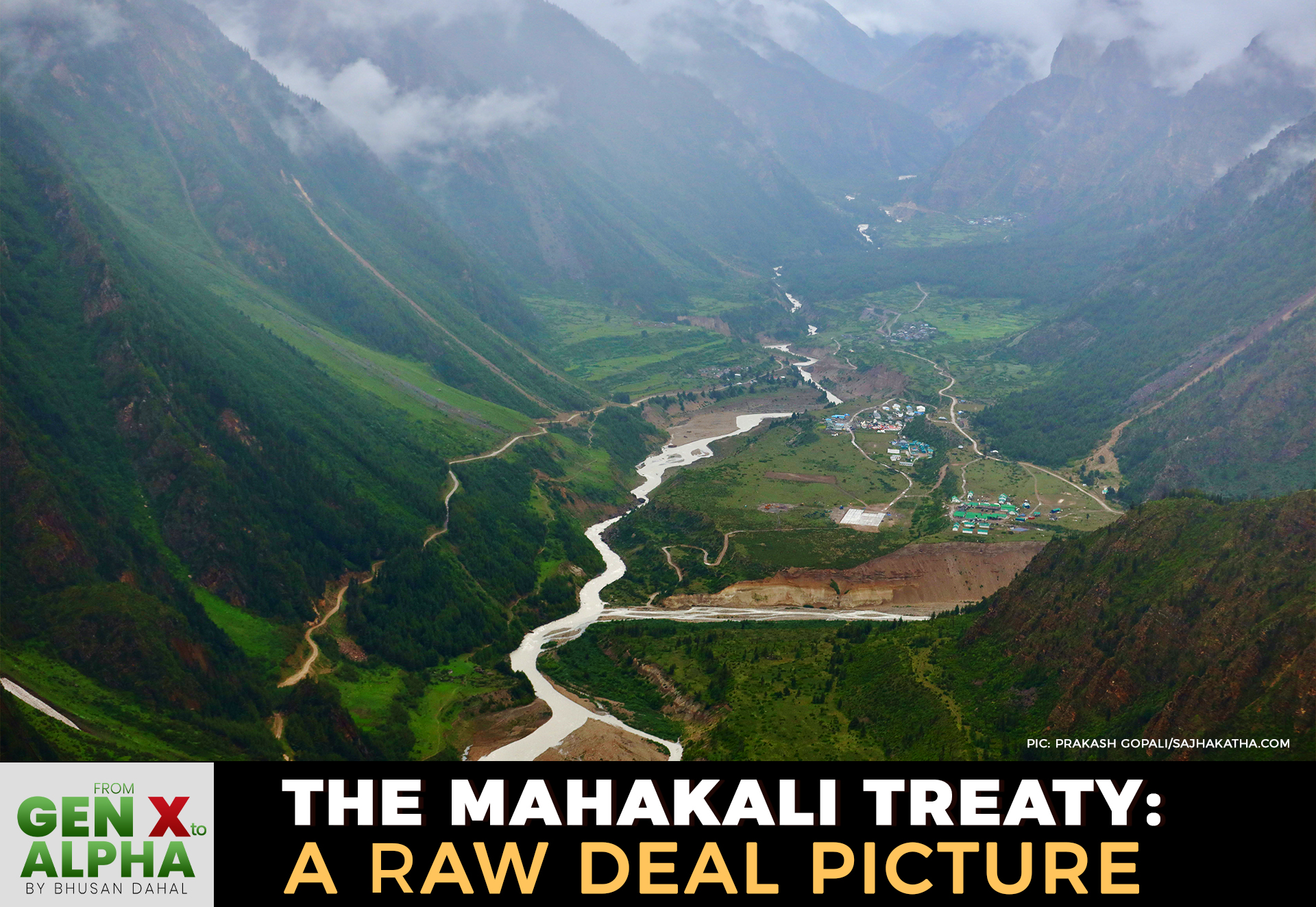
Nepal and India teaming up to “share” the Mahakali River, a lifeline for both. The 1996 Mahakali Treaty, signed on February 12, promised teamwork on irrigation, hydropower, and flood control through projects like the Sarada Barrage, Tanakpur Barrage, and the Pancheshwar Multipurpose Project. Sounds like a winwin, right? Nope. Locked in for 75 years until 2071, this treaty was a one-sided hustle that left Nepal holding an empty bag. Nepal gave up 2.9 hectares for the Tanakpur Barrage, which India built in the 1980s without Nepal’s full okay, basically greenlighting India’s land grab. In return, Nepal got promises of a trickle28.35 m³/s of water in the wet season, 8.5 m³/s in the dry season, and 70 million kWh of electricity yearly. It’s like trading your ancestral home for a used phone charger. Worst of all, the treaty dodged Nepal’s claims to Kalapani, Limpiyadhura, and Lipulekh-lands India’s controlled since the 1962 Sino-Indian War but which Nepal claims under the 1816 Sugauli Treaty. When India and China decided in 2015 to use Lipulekh as a trade route, Nepal wasn’t even invited to the chat. Protests erupted in Kathmandu, exposing the treaty as a stab in the back for Nepal’s territorial pride.

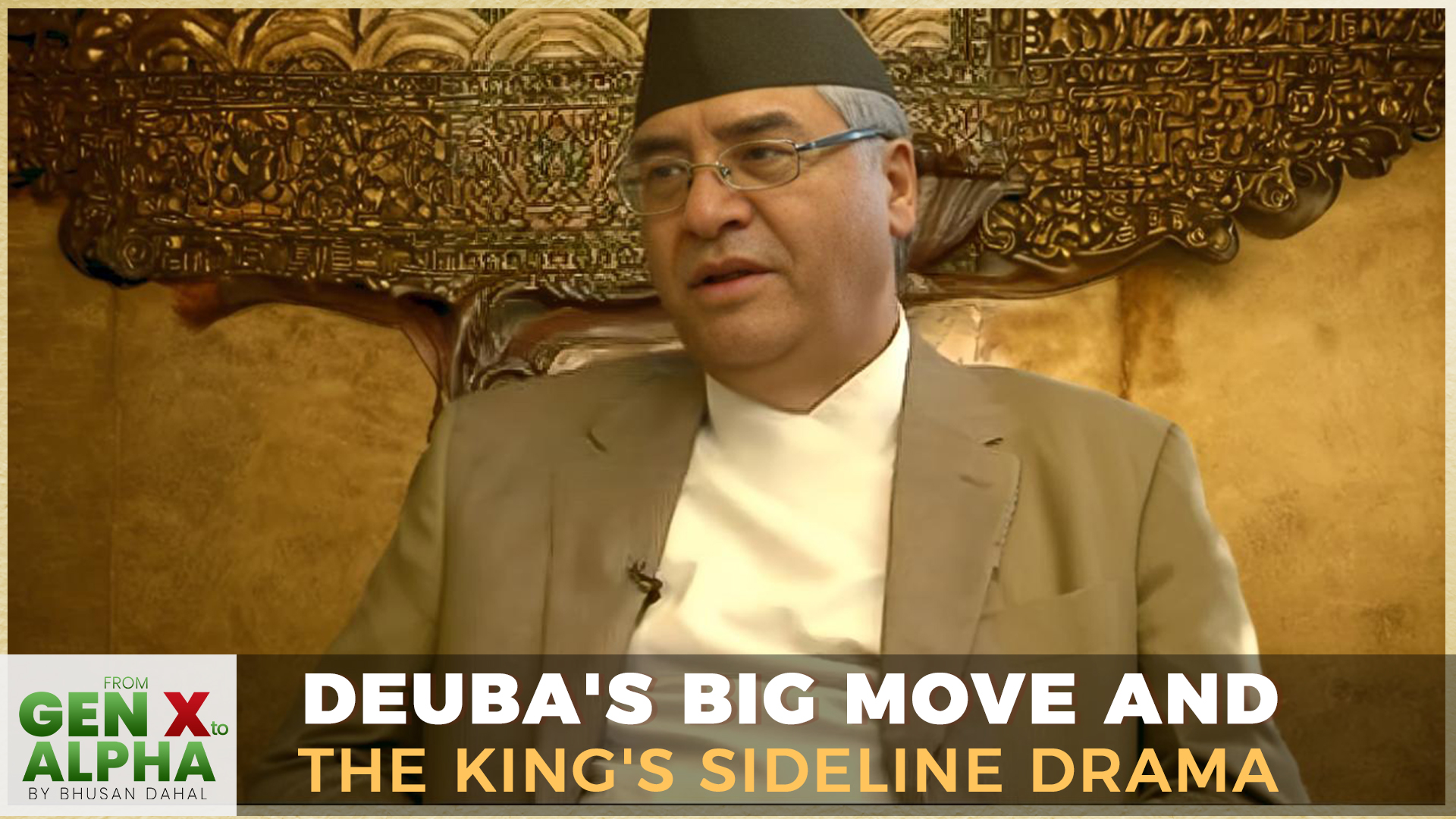
Sher Bahadur Deuba, Prime Minister from 1995 to 1997, signed this deal without looping in King Birendra, the monarchy’s figurehead who carried Nepal’s soul under the 1990 Constitution. Sidelining the king was a bold move, like ghosting your own history for a foreign power’s approval. Deuba, cozy with India and his political crew, pushed the treaty through like a shady crypto deal. It needed a two-thirds majority in parliament, per Article 126, and passed in September 1996 with a 220-to-8 vote. But the real plot twist happened behind the scenes. Enter Dev Raj Ghimire, a CPN-UML parliamentarian in 1996, now the Speaker of the House (since January 2023). The CPN-UML was torn over the treaty-some saw it as a sellout, others a necessary deal. Ghimire’s vote in an internal party head count was the tiebreaker that swung the CPN-UML to back the treaty, paving the way for its ratification. That vote wasn’t just a checkmark; it was a game-changer. Today, Ghimire’s Speakership looks like a thankyou gift from the powers that backed the treaty, a reward for tipping the scales. But dissent came at a cost. Some CPN-UML members who opposed the treaty walked out, like Bam Dev Gautam, who split the party in 1998 to form the CPN (MarxistLeninist). Others? They met mysterious ends-deaths that linger in Nepal’s political gossip as too convenient to be accidents, though hard evidence is missing. It’s the kind of twist that’d make you question everything. And who was cheering Deuba on in New Delhi? KP Sharma Oli, now Nepal’s Prime Minister but then a CPNUML leader running the party’s Mahakali Treaty study team, alongside RPP’s Dr. Prakash Chandra Lohani and Pashupati Shumsher Rana, the monarchist rightwingers. Their trip to India wasn’t a vacation-it was a sign they were playing for Team India. A Treaty That’s All Hype, No Delivery Here’s the infuriating part: the Mahakali Treaty is a broken promise. The Pancheshwar Project, hyped as the big win, is still just talk, stuck in endless bickering over costs, water shares, and a Detailed Project Report due in 1996. India hasn’t built the promised 1,200-meter canal to Nepal’s border, leaving the Mahakali Irrigation Project a weed-covered disaster. The 10 m³/s of water for Dodhara-Chandani? Still a fantasy, tied to Pancheshwar’s delays. It’s like ordering a pizza and getting an empty box-except it’s your country’s future. The treaty’s silence on Kalapani, Limpiyadhura, and Lipulekh was a calculated move, letting India keep those lands without a fight. By 2015, when India and China turned Lipulekh into their trade hub, Nepal’s loss was crystal clear.

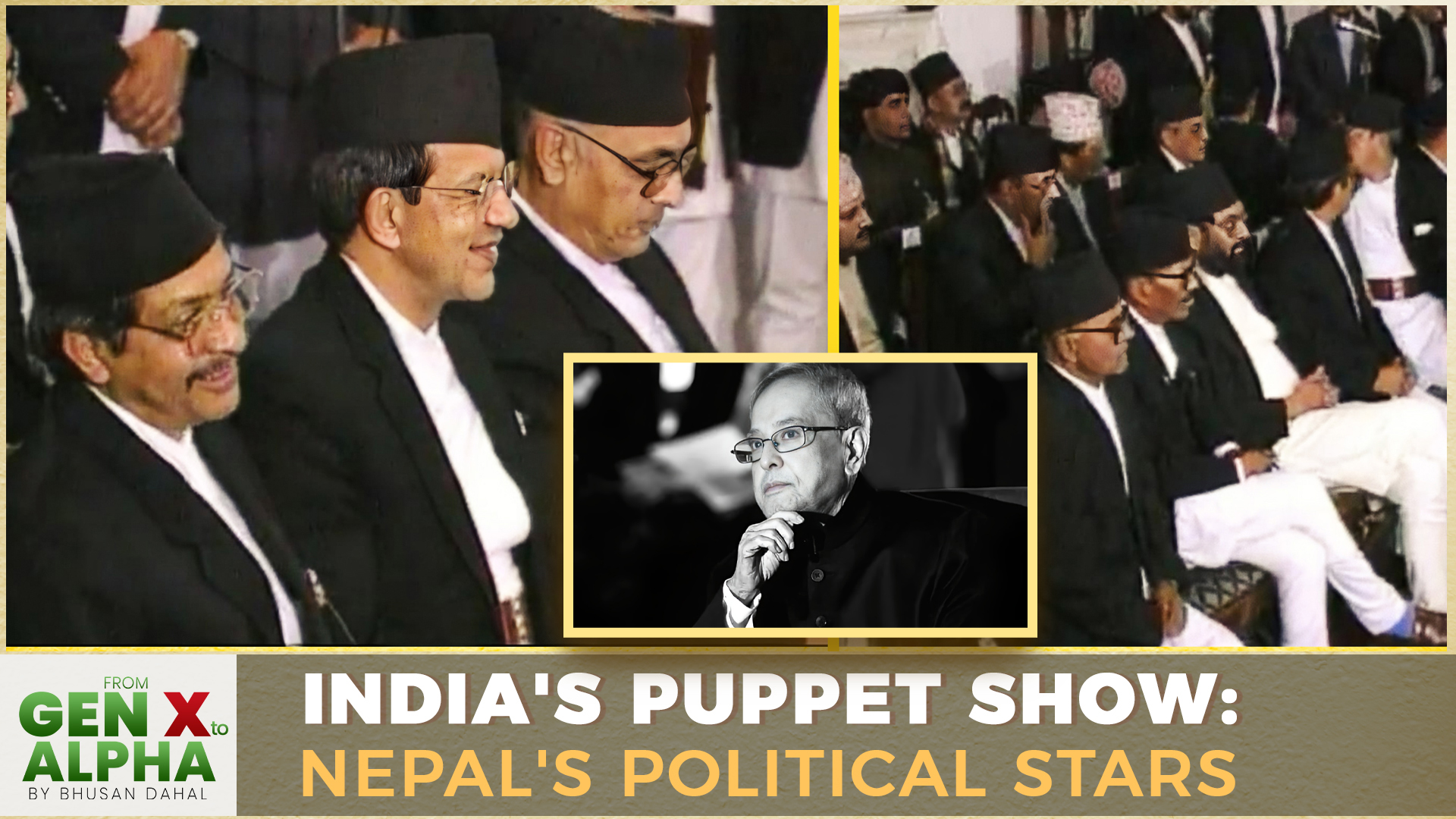
The treaty wasn’t just about rivers-it was India’s ticket to running Nepal’s politics. Deuba, Mahat (Ramsharan) Oli, Lohani, and Rana, who partied in New Delhi, became India’s go-to guys. Oli’s push for the treaty fractured his CPN-UML, but it boosted his career. Lohani and Rana, despite their royalist vibes, sided with India, keeping their seats warm in politics. Ghimire’s tie-breaking vote in the CPN-UML sealed his loyalty, and his current Speakership feels like a delayed payoff. Then came the Maoists-Pushpa Kamal Dahal (Prachanda) and Baburam Bhattarai -who flipped from treaty-hating rebels to India’s allies by 2006-2007. Their 1996 40- point demands trashed the treaty, but India saw them as useful tools to dismantle Nepal’s monarchy and nationalists. The 2006 Comprehensive Peace Agreement, backed by India and the Seven Party Alliance (including Deuba’s Nepali Congress and Oli’s CPN-UML), brought the Maoists into power, cementing a political system where Deuba, Oli, Prachanda, and Bhattarai (a sapped out extra) play musical chairs, all under India’s watchful eye. It’s like a reality show where the winner’s already picked-by India.

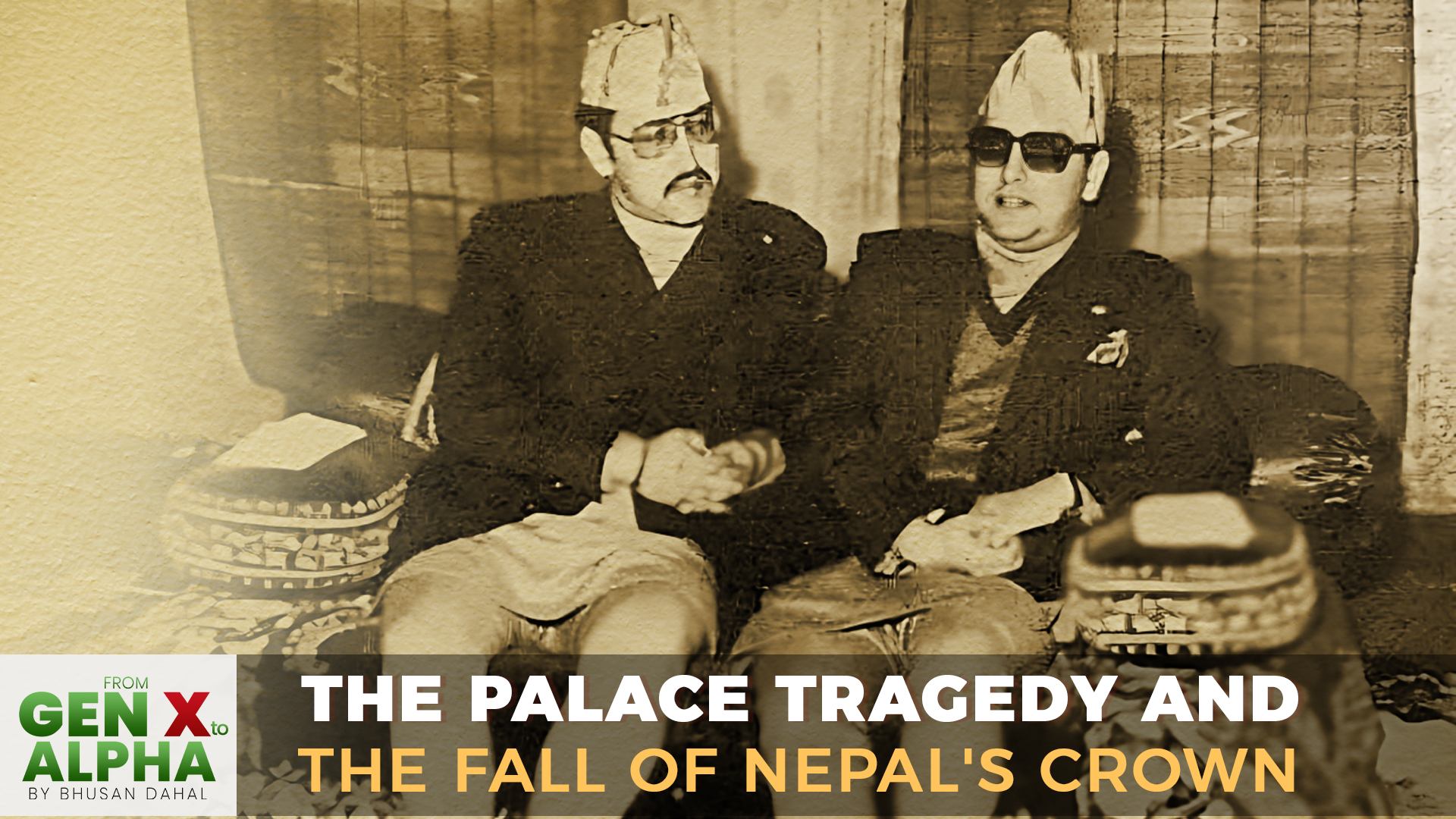
The treaty’s fallout set the stage for Nepal’s darkest chapter: the 2001 Narayanhiti Palace Massacre. On June 1, 2001, Crown Prince Dipendra allegedly killed King Birendra, Queen Aishwarya, and several royals before killing himself. Most Nepalis smell a conspiracy, pointing to India’s intelligence agencies, which had long trashed the monarchy as a nationalist threat. The massacre cleared the path for King Gyanendra, already painted as a villain by India’s media. Gyanendra’s 2005 royal coup, a desperate bid to stabilize Nepal amidst Maoist chaos and political games, was spun as tyranny. By 2006- 2007, the Maoists, now India’s allies, teamed up with Deuba, Oli, and others in the Seven Party Alliance to abolish the monarchy in 2008. India’s press and spies fueled the hate, while China, Nepal’s northern neighbor, quietly played along, betraying Nepal in a rare team-up with India. The monarchy, Nepal’s backbone, was gone, and India tightened its grip.

The Mahakali Treaty, 29 years old and binding until 2071, is a chain on Nepal’s future. It’s not just history-it’s a wake-up call. Nepal lost Kalapani, Limpiyadhura, and Lipulekh, its monarchy, and its independence to a game rigged by India, with China’s complicity. Dev Raj Ghimire’s tie-breaking vote in the CPN-UML, rewarded with his Speakership, and the New Delhi crew of Oli, Lohani, and Rana show how Nepal’s elite sold out. The mysterious deaths of treaty opponents and the 1998 CPN-UML split reveal the brutal cost of resistance. If you’re in your 20s or 30s, this is your fight. Nepal’s sovereignty is about your identity, your future, and your right to a country that stands tall. The same players-Deuba, Oli, and Prachanda,-are still running the show, backed by foreign hands. It’s time to unite, demand accountability, and climb out of the ditch they dug. Nepal’s not just a country-it’s your legacy. Fight for it.