A new cultural platform called Micro-Folie has been launched in Nepal to provide free access to world-class artworks for art lovers and the general public.
Inaugurated on Saturday at Alliance Française in Pulchowk, Lalitpur, Micro-Folie was started in collaboration with the French Embassy in Nepal and Alliance Française.
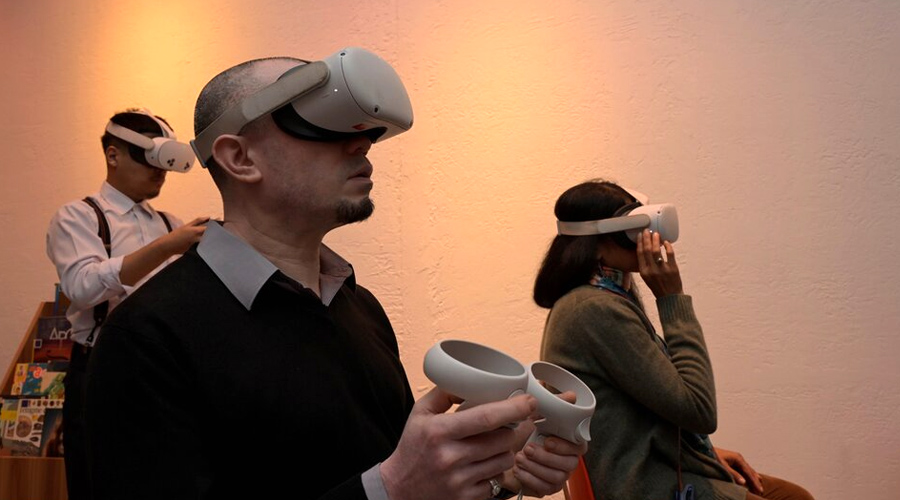
The main attraction of this initiative, led by the French Ministry of Culture, is a digital museum that brings together over 5,000 high-quality digitized artworks from 12 major global institutions and museums in one place.
According to information shared at the inauguration, Micro-Folie is coordinated by La Villette and includes art collections from 12 prestigious French institutions, including the Louvre Museum, Centre Pompidou, Château de Versailles, Opéra National de Paris, and Musée d’Orsay.
The platform has been designed as a multi-purpose space for various activities, with the primary goal of making art accessible to all audiences.
A press release from the embassy noted that this digital gallery covers treasures of human civilization across fine arts, architecture, scientific culture, and live performance.
Speaking during the inauguration, Virginie Corteval, French Ambassador to Nepal, said,
“France is proud to be part of this project, which brings thousands of artworks, shared heritage of humanity to this magical city of Lalitpur.”
She further added, “We hope that people of all generations in Nepal will take advantage of this unique opportunity to immerse themselves in art.”
Micro-Folie will be open for free to the general public with two sessions per week at Alliance Française, targeting especially families, school groups, and various organizations.
The melody of Maalshree Dhun played softly in the background.
Perhaps they didn’t notice it. But as severely injured Dipendra Basnet of the “Gen Z Movement” received Bhai Tika on the rooftop of Annapurna Neuro Hospital in Maitighar, the tune seemed to play just for him.
The hospital had created a small artificial garden on its rooftop. By 11 am, most of it was bathed in bright sunlight, except for one corner where there was a bit of shade. There, 28-year-old Dipendra from Dailekh was seated, receiving Bhai Tika from his sister, Bhagawati Basnet.
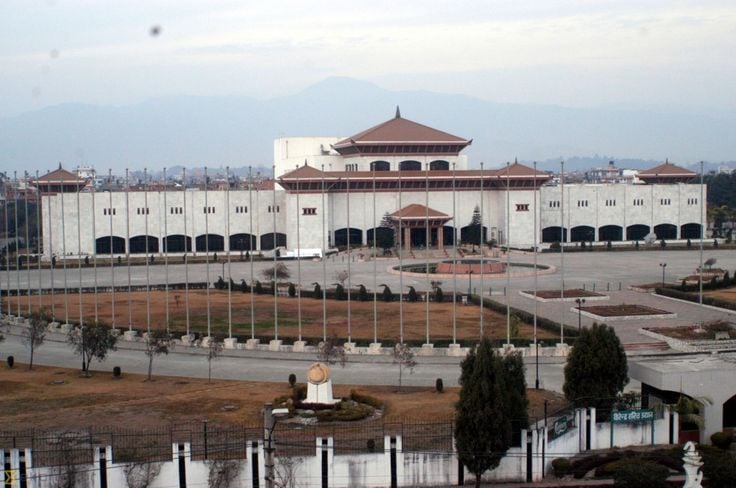
On September 8, during the Gen Z Movement, Dipendra was shot in the head by police at the barricade in front of the southern gate of the Parliament building in Baneshwor. The image of him collapsing was heart-wrenching.
The photo quickly went viral on social media. Many, upon seeing his condition, even spread rumors of his death. But Dipendra, a resident of Bhagawatimai Rural Municipality-1 in Dailekh, was undergoing treatment at Annapurna Neuro Hospital.
After more than a month in the hospital, his health has been gradually improving. Most other injured patients admitted with him have already been discharged, he is now the only one left in the ward.
Yet another major surgery awaits him.
When we reached bed number 510 on the fifth floor, Dipendra was lying on his left side, scrolling through his phone. His mother sat quietly on a nearby bench. His young son, Asim Basnet, also watched something on a mobile phone, while his wife, Sangita Kumari Khadka, was helping him change his clothes.
It was Bhai Tika. His sister Bhagawati was on her way from Sanepa to perform the ritual. Around 10 am, Dipendra kept asking his wife when his sister would arrive.
“She’ll be here soon,” Sangita replied softly.
There were other patients on the same floor, so celebrating inside could have disturbed them. The family decided to move to the rooftop garden instead. By 11 am, Bhagawati had arrived.
She carried a zebra-patterned bag filled with everything needed for Bhai Tika. A bit reserved, perhaps due to the presence of media, she requested, “Please don’t record a video — it won’t look good.”
Her sister-in-law, Sangita, comforted her, saying, “It’s fine, Didi. Things are like this in hospitals.”
While talking, Bhagawati joined two mats together and started arranging the ritual items, pure oil, a plate of colored powders, incense, walnuts, garlands, fruits, and bhai masala.
Little Asim helped her with the preparations. Only four years old, he seemed to enjoy playing and teasing everyone around.
Meanwhile, Dipendra dressed in a violet shirt and loose brown pants was gently seated on the mat by his wife, who wore a red kurta. He cannot stand on his own; the left side of his body, both arm and leg, remains paralyzed.
With his legs stretched out, Dipendra leaned into his wife’s embrace. She held him steady calm yet attentive.
Once everything was ready, Bhagawati circled him three times, then did so again holding a small bowl of oil. Because of the artificial grass below, the oil couldn’t be poured, but she performed the gesture symbolically.
Then she sat before her brother, slightly unsure about the order of colors. “Which one first?” she asked her sister-in-law.
Following her advice, she began with white on his forehead, then yellow, violet, green, blue, and finally red. She placed a garland around his neck and gave her blessing, “No matter what happens, you must stay strong.”
She said nothing more. Perhaps her emotions wouldn’t allow it.
After receiving the tika, Dipendra, struggling to move, bowed to touch his sister’s feet. She, in turn, placed tika on his forehead as well.
They didn’t speak much. Dipendra isn’t very talkative, and that day, even less so. His body and heart both seemed heavy as he tried to sit upright. His wife continued to support him, but he couldn’t hold back his tears.
He didn’t look directly at his sister until the ritual ended. She didn’t cry, but her eyes reflected unspoken pain.
After a brief silence, Dipendra took some money from his right pocket and handed it to her. Then, Bhagawati placed tika on the foreheads of his wife and son too.
Ideally, they would have celebrated Bhai Tika at home. But his hospital stay isn’t over, and he cannot go outside. With Tihar already here, the family decided to celebrate right there at the hospital.
Dipendra’s elder brother, Rabin Basnet, is abroad, and their father returned to the village just four days ago. Their mother is now taking turns caring for him.
In previous years, they alternated between celebrating the festival in Kathmandu and their village. This year, it was at the hospital.
“Thank God we could still celebrate Bhai Tika,” Bhagawati said, expressing relief. “Next time, we’ll do it at home.”
As we took our leave, Dipendra remained leaning on his wife for support. His mother sat quietly beside them, while little Asim looked calmer now. Bhagawati had already begun taking a selfie.
As Nepal is diverse culturally, foods in this country have different tastes and flavours. Yet, there are some food items that are common to all and hence unify the country. Of them, sel roti (or, simply, sel) is one.
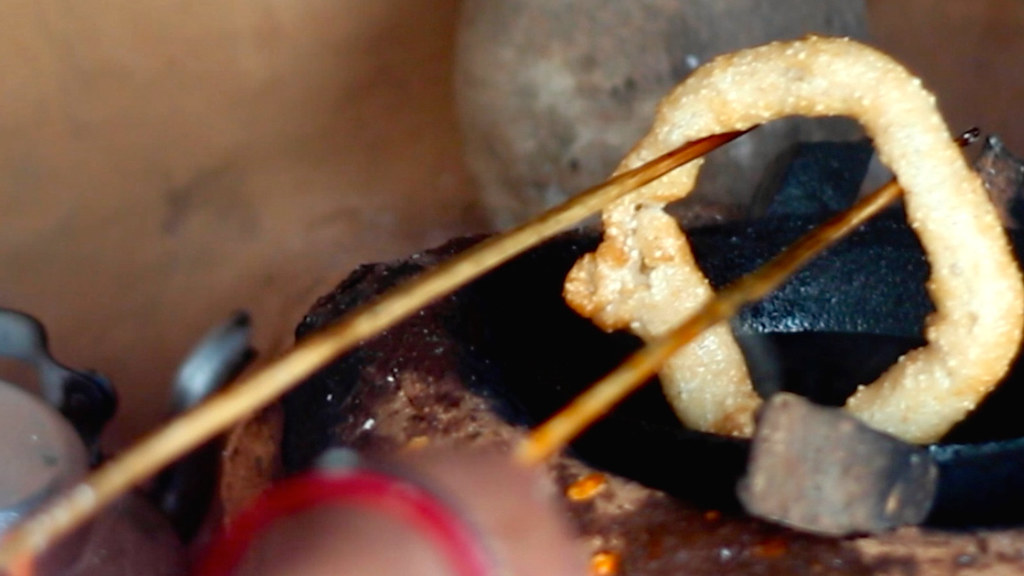
Shape-wise, sel roti is a Nepali doughnut. It is a traditional Nepali ring-shaped sweet bread that is deep-fried in oil or ghee and made with granulated rice or rice flour.
This authentic Nepali sweet is loved by most Nepalis and is considered mandatory during Hindu festivals and ceremonies like Dashain, Tihar, Teej, weddings, bratabandhas, and others. Not only in Nepal, but sel roti is also made and enjoyed by many Nepali-speaking communities in Sikkim, Darjeeling, and of late, wherever Nepalis are there.
Additionally, this delicacy is also available in many local restaurants in Nepal. And, sel roti is also sent as a gift (koseli) or as a prasad to family members and friends living away from home during any puja or ceremony or festival.
Instead of buying sel roti or waiting for some friend or some family member to send you some sel roti, learn to make this iconic Nepali delicacy on your own. If you are worried about how you are going to make it, here we come with a simple and easy recipe to follow.
Photo: Flickr
Ingredients
Let’s start with listing the ingredients for making sel roti. Please keep in mind that, sel roti is generally made in a large quantity, but you can fix the amount of each ingredient as per your need.
Rice: 2 kg
Ghee: 250 gram (Optional)
Water
Sugar as per taste
Oil or ghee (to fry)
Milk: One cup
Cardamom powder: Two tablespoons
Grated coconut: Two cups
Almond and cashew nut powder: ½ cup
Recipe
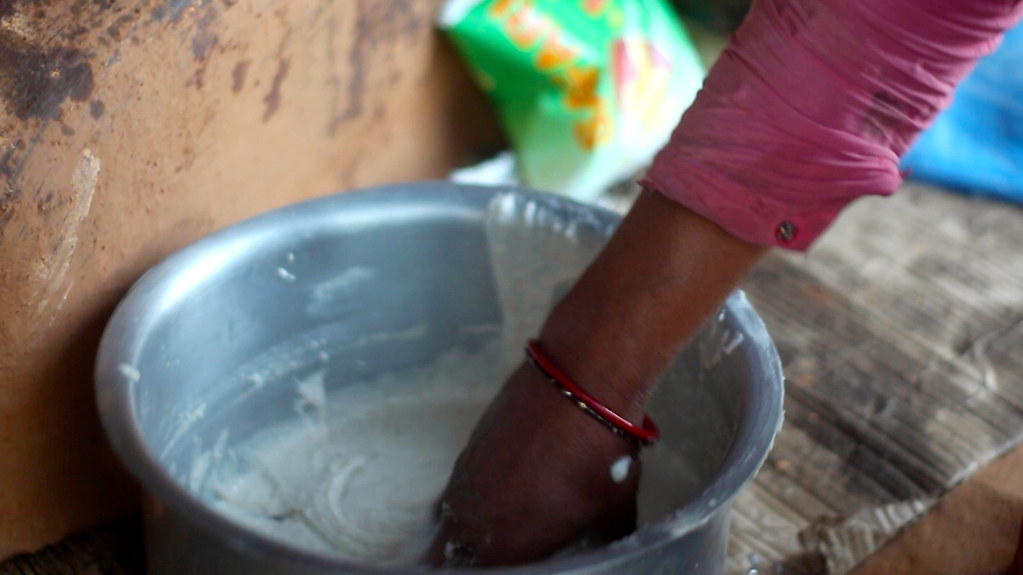
First of all, to make sel roti, you need to make a batter. For that, you need to rinse the uncooked rice a couple of times and soak it overnight or at least for about eight hours. Once the rice gets soaked, drain the water and grind the soaked rice along with sugar and ghee. You can grind it using an electronic mixer or traditional silauto and lohoro.
If you are grinding the rice in silauto, you can add sugar and ghee afterward. Even if you are grinding the rice in a mixer, you can leave the ghee and sugar and add it later on. Now, take a big bowl and pour the granulated rice, ghee, sugar, grated desiccated coconut, cardamom powder, almonds, and cashew nuts powder and mix them very well.
Making sel roti batter. Photo: Flickr
You can also add some milk and/water to adjust the consistency of the batter. It should neither be too watery nor too thick. It should be somewhere between thick and watery. Once you are done with the consistency, leave for another two-three hours to rest.
Now, prepare a funnel so that you can pour the batter in it and drop it into the oil or ghee easily. As an alternate, you can cut the bottom part of a water bottle to use as a funnel. You can also use a coconut shell with a medium hole in the bottom. Else, you can also use a jug to pour the batter and give sel roti the round shape. (An expert sel roti maker can pour the batter with his/her hands themselves.)
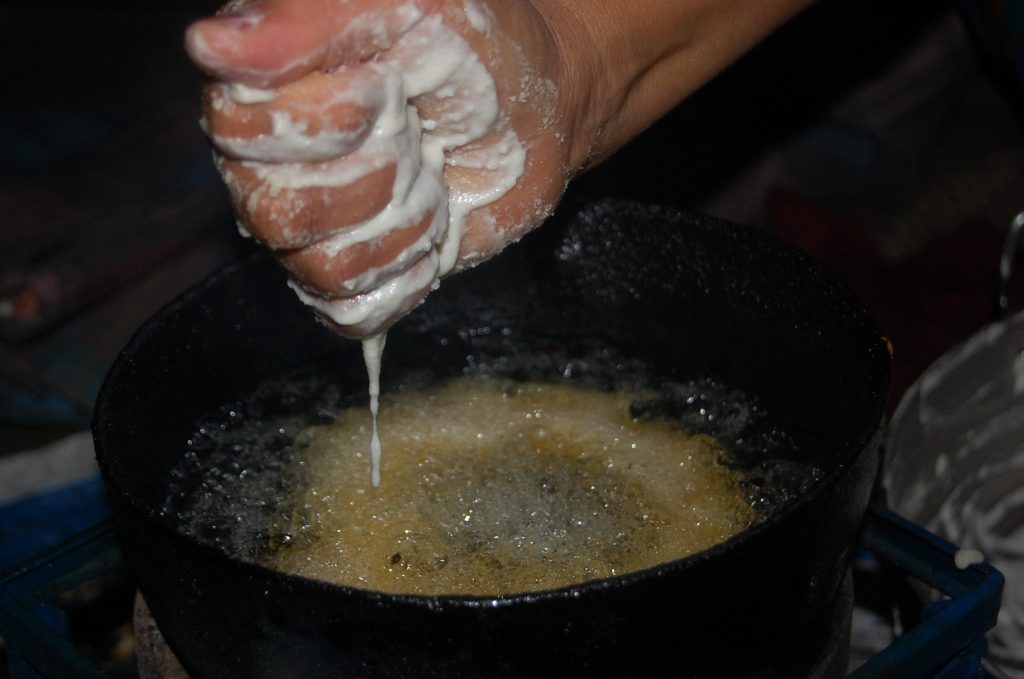
Pouring sel roti batter in hot oil or ghee. Photo: Wikimedia Commons
Now, take a deep frying pan and add oil or ghee into it. Heat up the oil. And, after the oil is hot enough, pour the batter into the bottle and drop the batter into the oil making a round shape. Before pouring the batter, you need to re-check the consistency of the batter and adjust accordingly.
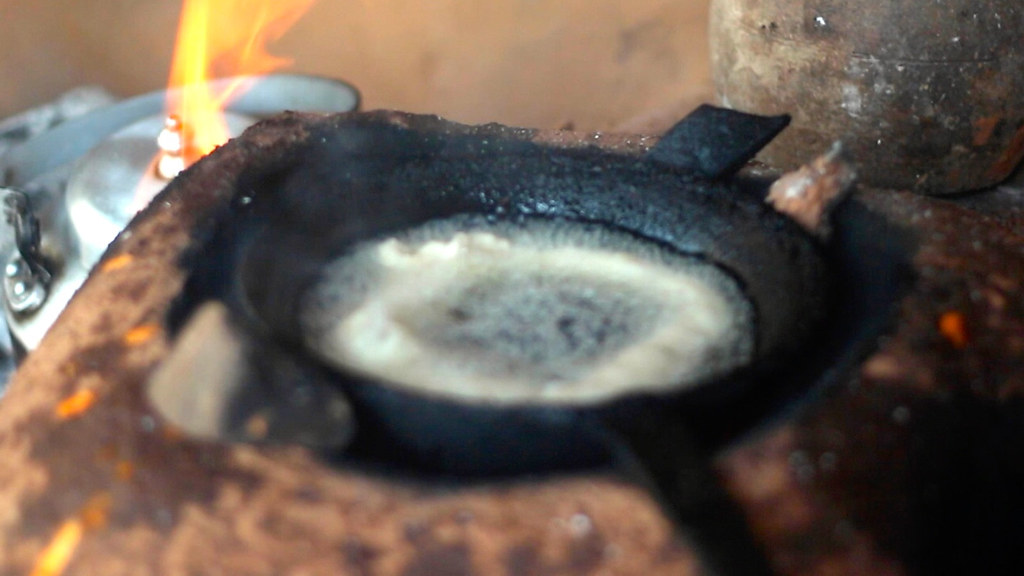
Frying sel roti. Photo: Flickr
After that, fry the sel roti from both sides until it turns golden brown. Once it is deep-fried, take it out of the oil and keep it aside. Use a paper towel to soak the excess oil or ghee. Use the same process until the batter is finished.
Enjoy sel roti with your family and friends as a snack or breakfast! You can store it up to 15-20 days.
The grand festival of Tihar here. Tihar is the second biggest festival in Nepal after Dashain. Because of this reason, Tihar naturally has a lot of buzz surrounding it. People put decorative lights at their homes, make sel roti among various other things. At the end of this much-anticipated festival, you have Bhaitika.
During Bhaitika, siblings (and cousins) do rituals, put tika on each other’s foreheads, and exchange gifts to celebrate. But, finding the perfect gift for your siblings can be hard. So, to make your Tihar a little bit brighter and ease your confusion, here are some unique and innovative gift ideas that your siblings (and cousins) will adore.
1. Books
Photo: Pexels/ Koshevaya_k
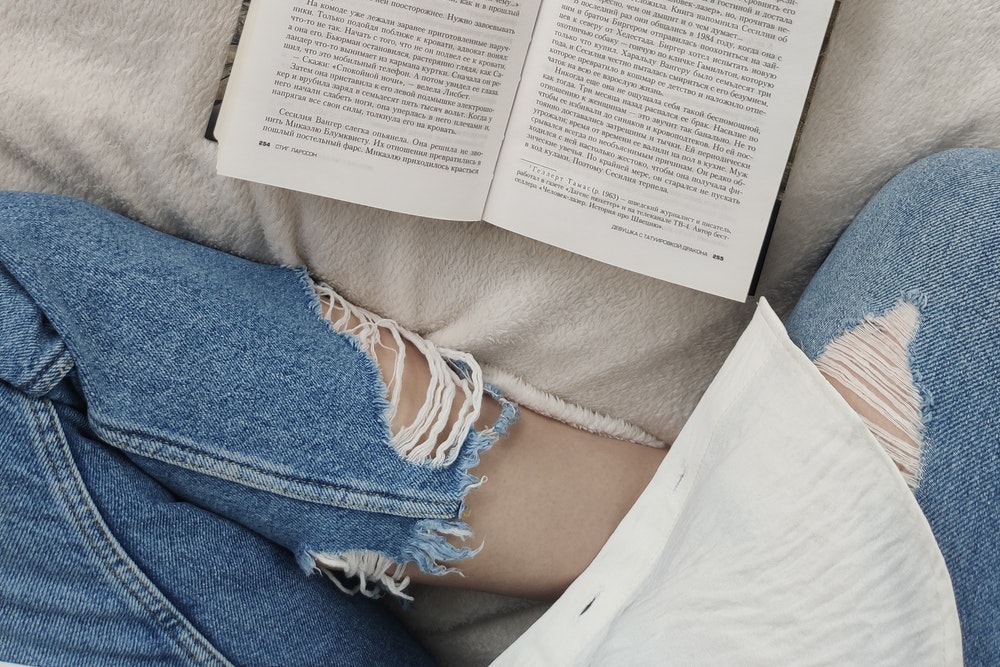
This is one of the best gifts you can give to your siblings. Everyone loves a good book, a novel in particular, as it helps you escape reality and takes you in its fictional adventure when read properly. Novels can also be used as a product of a collection and if your sibling is into collecting them, you can help them expand their collection by gifting them a book they do not have. Your job will be easier if your sibling is into any series or movies which are adapted from a book.
Books can also be a great gift for someone looking to master any language. Give them an interesting book in the language they are looking to master and they can learn a lot just by reading it! In one way or the other, a book is one of the more unique and innovative gifts you can give to your sibling during Bhaitika.
2. Makeup and/or skincare
Photo: Unsplash/ Annie Spratt
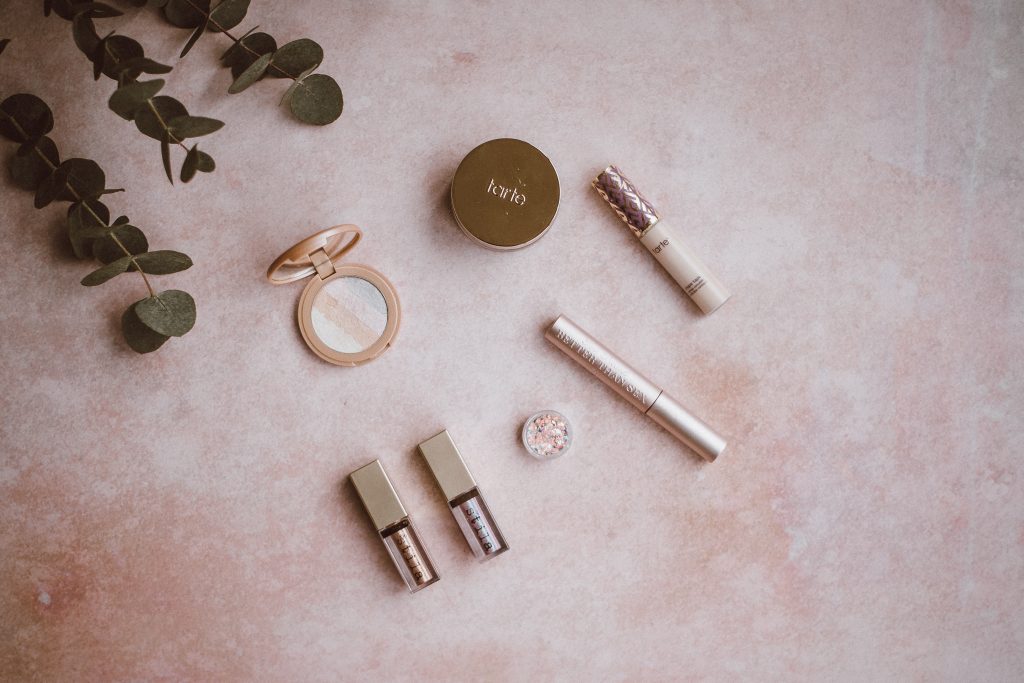
Believe it or not, this gift is perfect for both genders. Everyone uses skincare and makeup, and everyone would love to get them for free because they are so expensive. Makeup and skincare are some of the more innovative gifts you can give to your siblings just because of their usefulness. But, be careful because skincare and makeup are not universal, everyone uses different kinds of stuff according to their preferences, skin type, and what kind of problem they are trying to combat.
3. Portraits
Photo: Pexels/ cottonbro
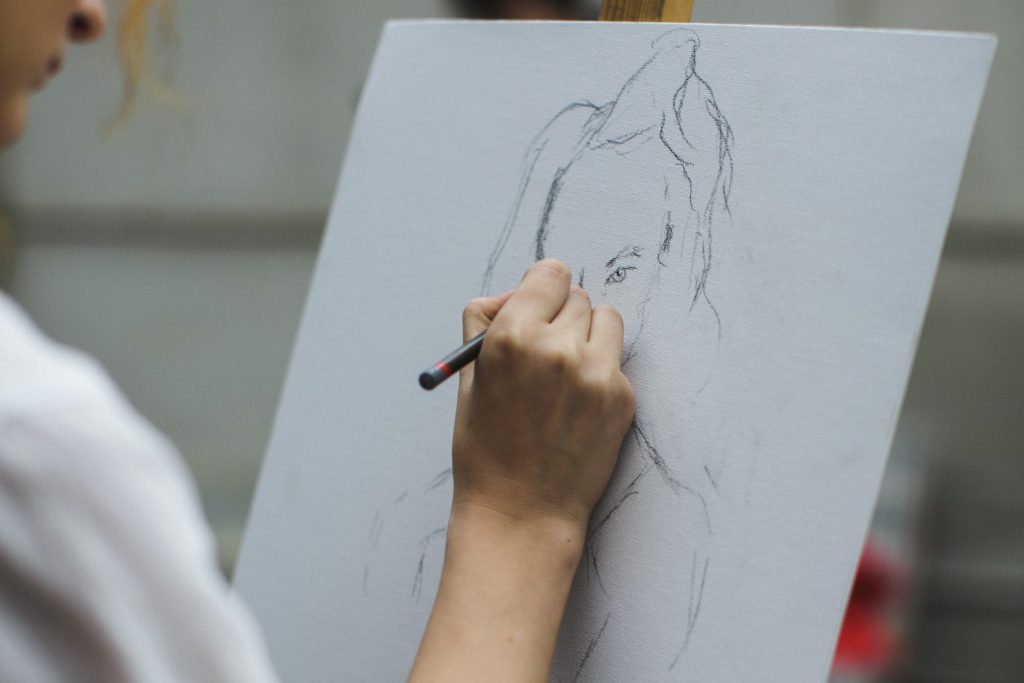
Another unorthodox gift is a portrait–of your sibling or one with both of you together. This is a great gift if you want to capture your fond memories and last them forever. A portrait is an amazing way to show your love on the day of Bhaitika, and take in the memories you made together. You can even gift them hand-drawn portraits [if you can] which will further increase its emotional value or go the classic way of taking pictures.
A bonus of this gift is that a portrait is relatively cheap for the number of feelings it conveys.
4. Customised gifts
Photo:: Pixabay
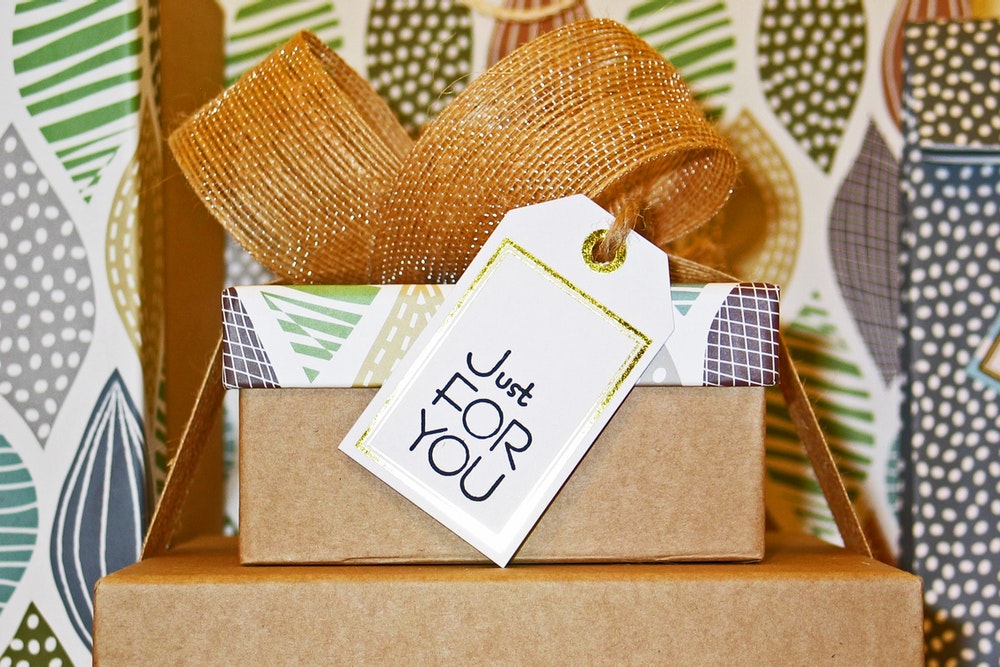
Customised gifts are basically gifts that you prepare just for them. You can even make them on your own if you are creative enough. These can be (hand-printed) mugs, gift bags or even cutlery. Customising your own gift can sometimes be the best way to show your true feelings or love towards someone. They highlight that you went out of your way to make something that contains your true emotions for that person.
5. A cake baked by you
Photo: Pexels/ Dmitry Zvolskiy
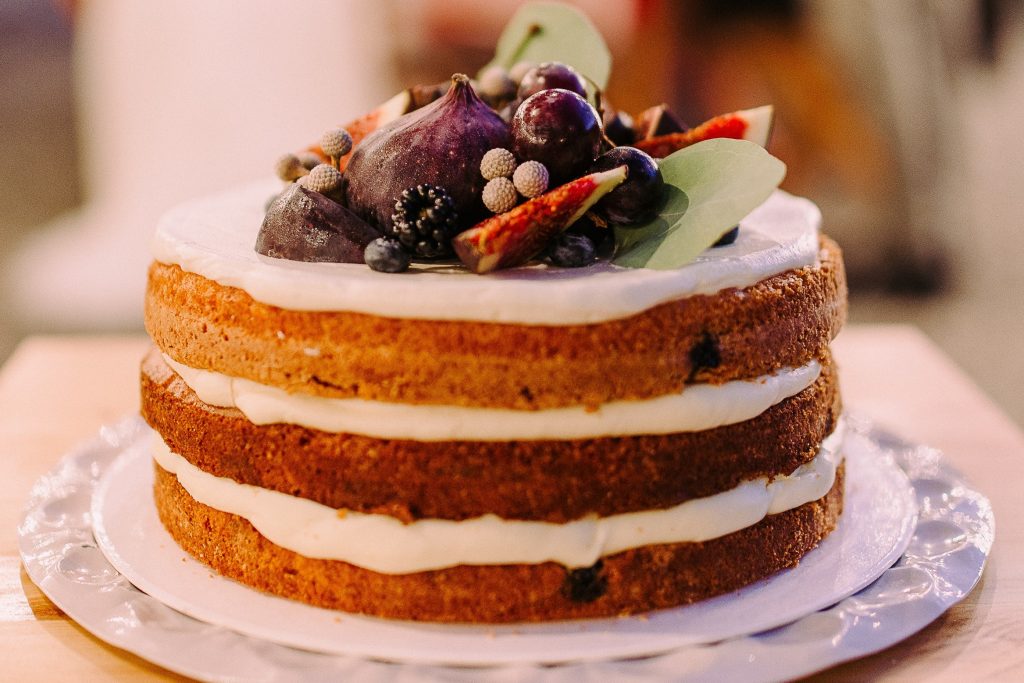
Baking a cake is always an easy way to make sure you create sweet memories. Cakes are a great way to celebrate various special occasions like birthdays and anniversaries of certain events. So the cake will be a perfect alternative gift for your siblings. If you do not have much experience baking a cake in an oven (which usually is vital to bake a cake), you can always make cheesecake, which requires a freezer. If you are a pro/ have prior experience in baking a cake, you shall make it for an amazing gift during Bhaitika.
6. Travelling essentials
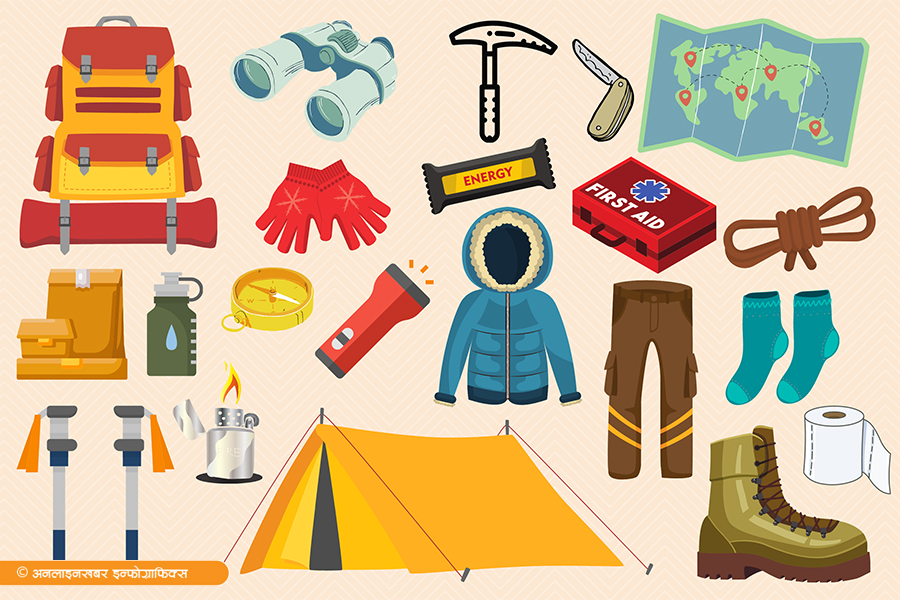
Adventuring is not everyone’s cup of tea. But, if your gift recipient is an adventure lover, this will make for an amazing gift that will surely make them extremely happy. Because you live in a country that is rich in nature and culture, you will have a hard time finding someone who does not love a good adventure. And in some cases, this can even save a life or at least make their lives during adventure a lot more comfortable. Because of this reason, this gift can even double as an investment.
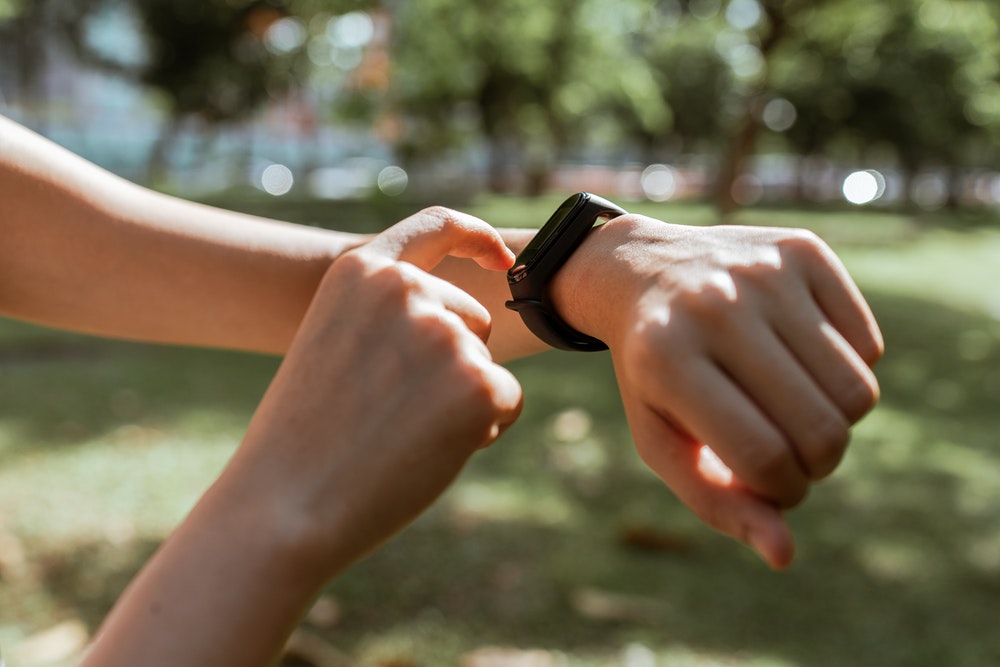
7. A fitness tracker
Photo: Pexels/ Ketut Subiyanto
A fitness tracker is also another amazing gift option that you can consider this Bhaitika. A fitness tracker can also double as an investment because its value increases the more it is used. It is used to track your heart activities in real-time, which will be really useful during an exercise session or even when you are not exercising. This will help your siblings be conscious about their health and make them healthier. Monitoring heart activity is also a great way to establish a baseline for your fitness and help you chart cardiovascular endurance when you are working out. It is recommended you get a good quality fitness tracker because a cheaper one could break very easily.
8. Adventure offers
Finally, you can think of giving them adventure offers which are usually irresistible. Because you are looking for adventure offers in your own country, you will generally find it cheaper than expected. As you are currently in the festive season (which comes with different discounts or offers), it is the perfect time for adventure, together with your siblings. No one can say no to a free adventure offer because exploring nature will make you feel great and help you reset your life and mindset, and give you a fresh start this Bhaitika.
You can also make amazing memories during this time, and good memories are one of the most priceless gifts you can give to someone. Material goods can be cherished for a few years, but fond memories can be cherished for your entire life.
Tihar, also known as Deepawali or Yamapanchak, is one of the most widely celebrated festivals in Nepal. This vibrant and colourful festival, which usually spans five days, is a time for joy, togetherness, and festivity. However, it is important to ensure that the celebrations are safe and responsible. Tihar festival is a memorable and enjoyable experience for everyone so here are some key safety tips for you to celebrate Tihar safely and responsibly:
Firecracker safety
Representational image. Photo: Flickr
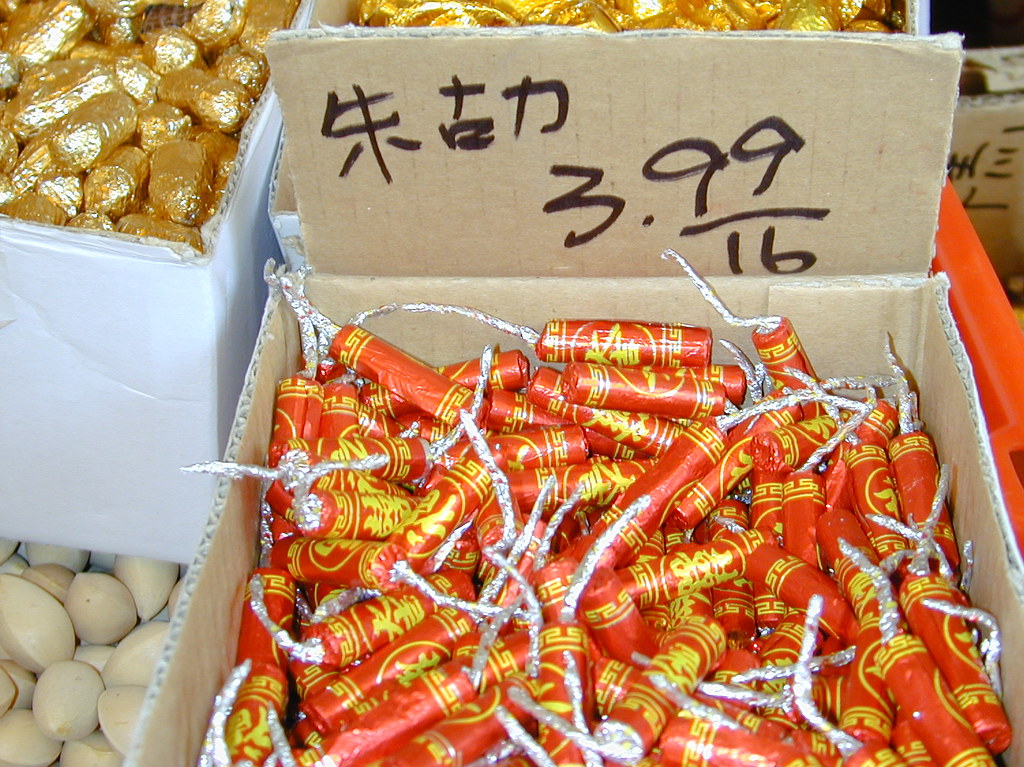
Firecrackers, even though illegal, have been an integral part of Tihar celebrations, especially on the day of Laxmi Puja. While they add to the festive atmosphere, they can also pose various risks. This is why it is imperative to follow some safety tips when handling fireworks.
One of the safety tips is that you only purchase fireworks from people you know. While igniting firecrackers, keep a safe distance and never point them at people, animals, or buildings. Choose an open field to light your crackers.
For additional safety, have a bucket of water or sand nearby to extinguish any accidental fires and make sure that the children are always supervised.
Pet or animal safety
Representational image. Photo: Unsplash/ Evan Clark
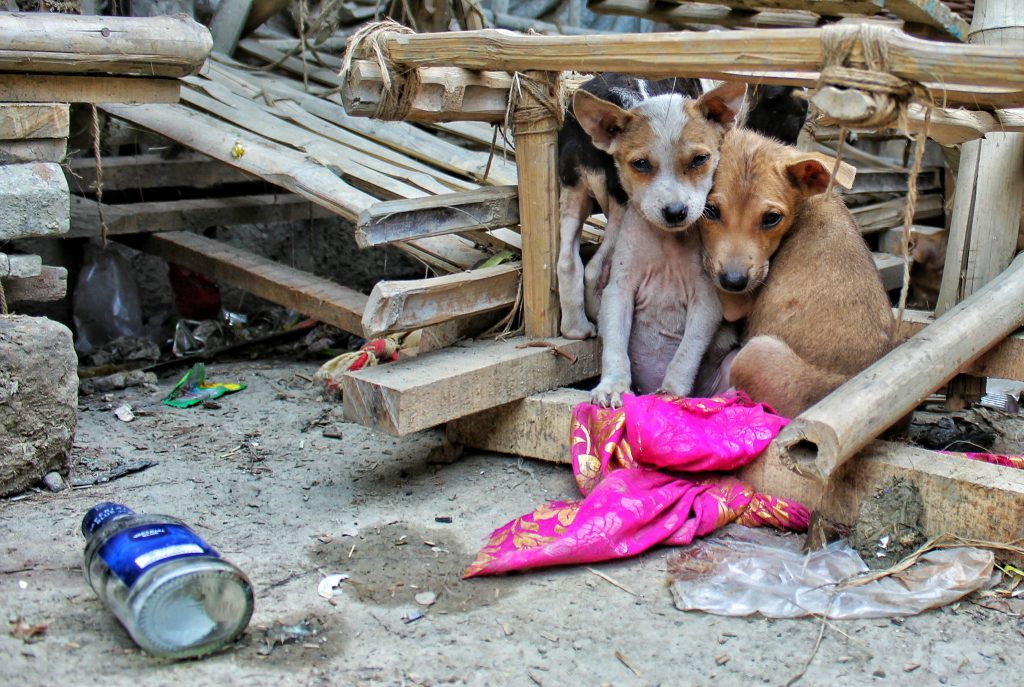
Any kind of loud noises and bright lights from firecrackers can be distressing to people so naturally animals, both domestic and wild, will also be distressed. As a part of celebrating Tihar responsibly, be thoughtful about the four-legged friends around you who might get spooked by the crackers. Safety tips are for every living being around you.
Keep your pets indoors during the peak of the celebrations to reduce their stress. Maintain distance, as they have sensitive ears and can be easily scared and anxious by it. If you do not own a pet but your neighbours do, inform them if you plan to use fireworks. Also, if you are lighting firecrackers, do not throw or light them in areas with wildlife.
Electrical safety or fire hazards
Representational image Photo: Unsplash/ Michael Barth
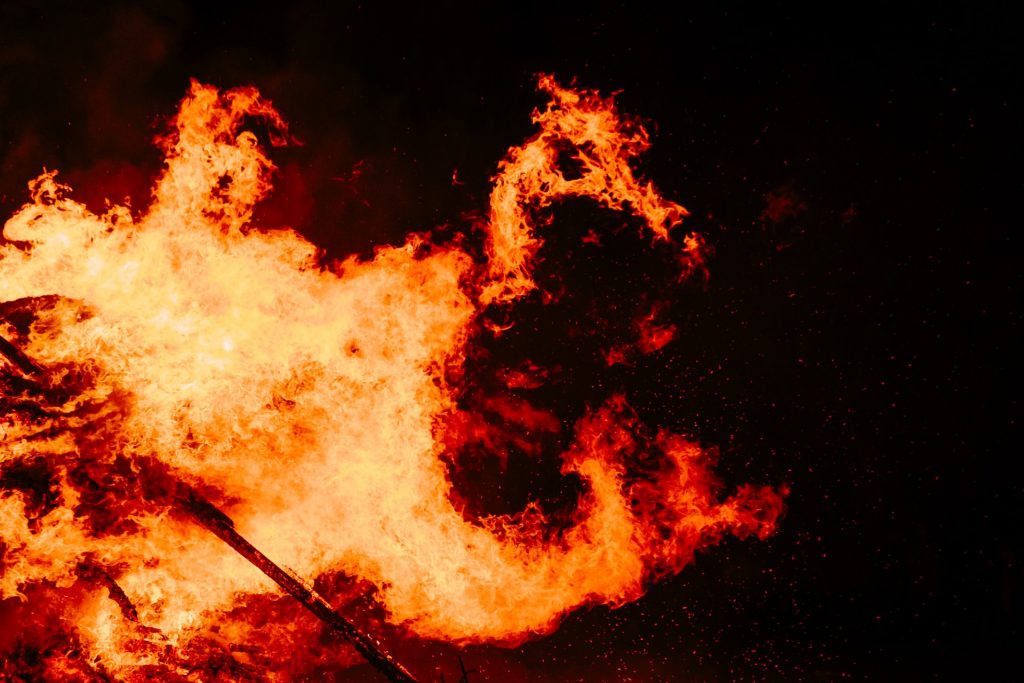
Like crackers, decorating homes with colourful lights and lamps is a cherished Tihar tradition. If you are using electrical decorations, it is crucial to follow electrical safety measures and if you are using candles or diyos then you need to be mindful and keep it away from flammable objects.
So one of the safety tips is to ensure that all electrical decorations are in good working condition and check each one if possible. Avoid overloading electrical circuits and outlets. And though you want to keep your house lit throughout, do not leave lights on overnight or unattended.
Food safety
Flickr
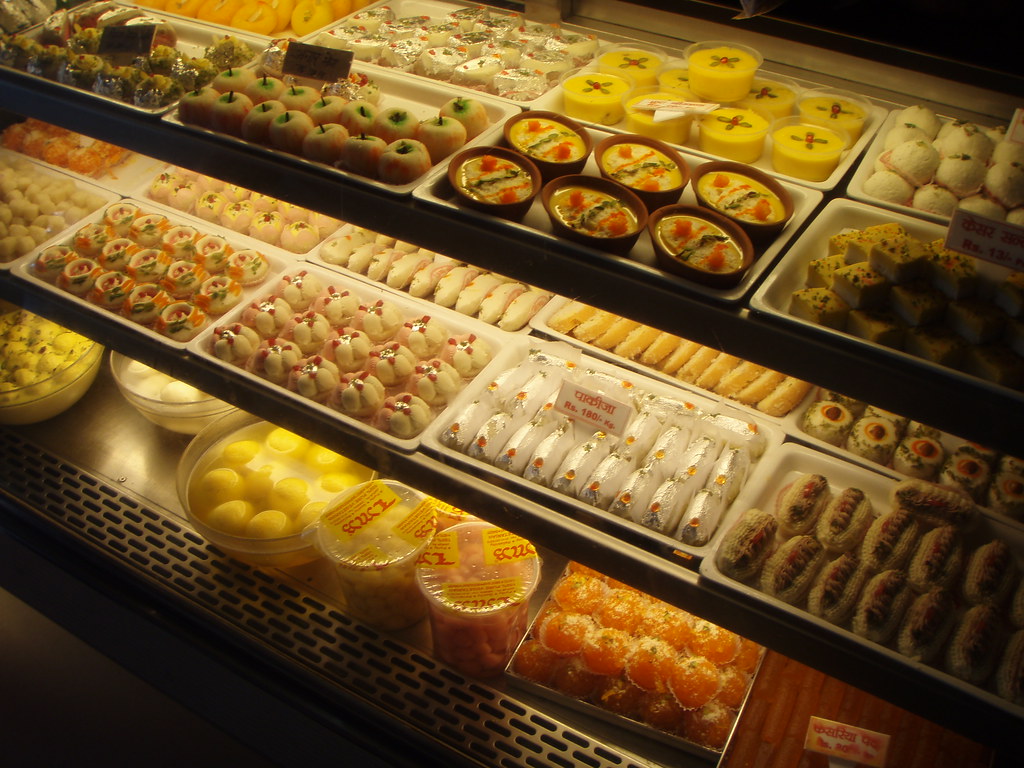
Along with the crackers and the lights, a big part of the Tihar festival is the exchange or consumption of a variety of sweets and dishes. To ensure food safety, practice good hygiene when preparing and serving food; prioritise these safety tips for your health.
Limit your intake from outside, as it is easy to get swayed, overindulge and spike your sugar intake. Also, avoid coloured food items as they can get unhygienic during festival times. Cook and eat at home, in the right proportions.
Road safety
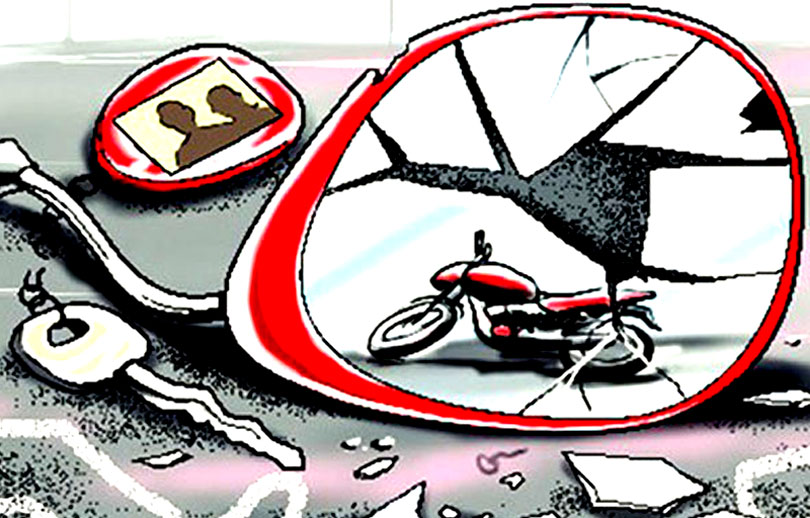
A representational sketch
Tihar is a communal festival. It is also a time when people visit friends and family, which can lead to increased traffic. So do not drink and drive, hampering your and others’ lives. Always follow traffic rules and regulations and wear a helmet if you are riding a motorcycle.
Also, if you live near the streets, then make sure you are not on the streets to light your firecrackers. Even if you do, be mindful of the traffic and get into accidents. Similarly, take precautions so that you are not the one to disrupt it. If you have younger ones around you, tell them these safety tips repeatedly to be careful or always supervise them and their surroundings.
Last but not least, be mindful of the pedestrians and the animals around you and ensure their safety as well.
Emergency preparedness
Representational image. Photo: Pexels/ Roger Brown
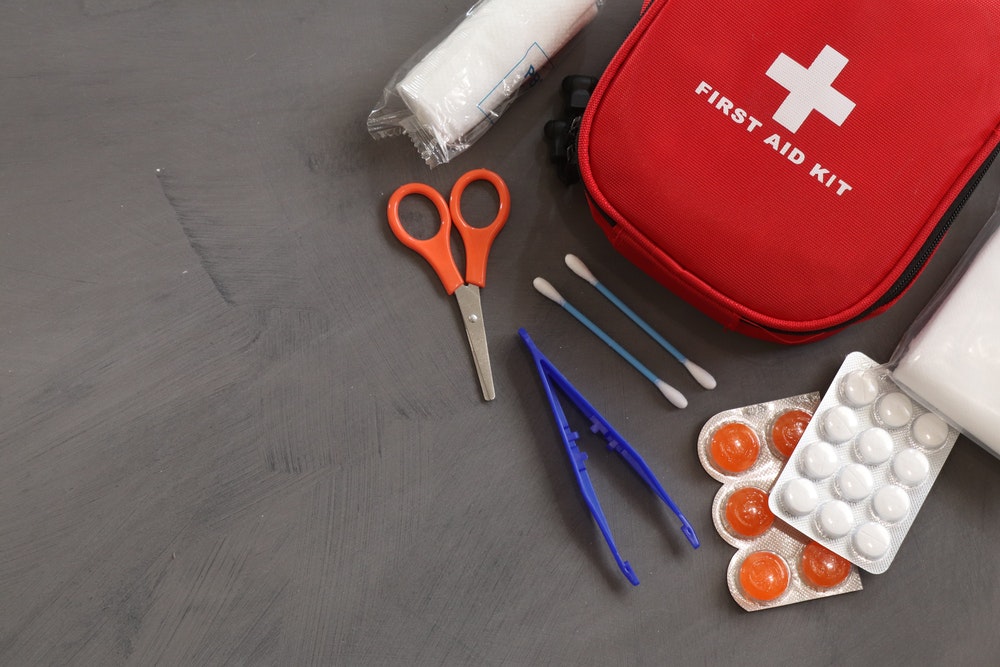
And since we are talking about the accidents that might occur, you can celebrate this Tihar festival responsibly by staying prepared for emergencies. Ensure that you have a first aid kit and emergency contact numbers on hand, just in case as prevention is one of the best safety tips you can follow.
Know where the electrical outlets and switches are in case you need to cut the supply. Also keep either water, sand or fire extinguisher around you or know where it is kept. Regularly check the candles or diyos that are burning.
Always be in an open field to light your crackers to minimise damage or not start fires, just in case. If you are not in an open field, also take note of your nearest exits and spots where you can take covers. Also, since food poisoning and digestion can be an issue during festivals, have some over-the-counter medicines with you for relief.
Environmental responsibility
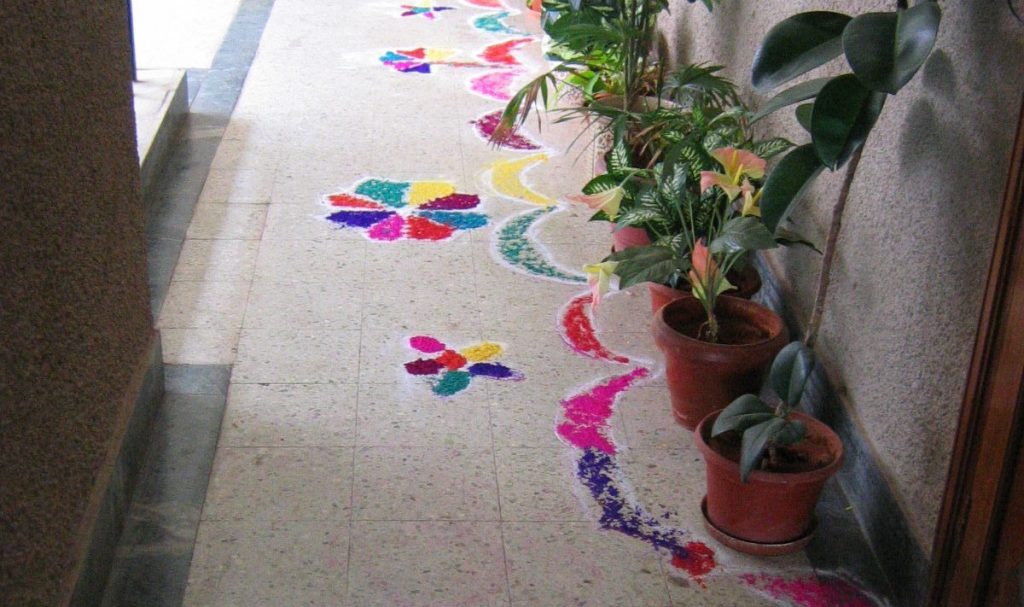
Photo: Wikimedia Commons
Tihar festival is not just about the firecrackers though, it is a beautiful festival that involves the worship of various animals and birds. It is essential to celebrate this aspect of the festival responsibly. One way you can do it is by ditching the firecrackers altogether and thinking about nature.
With all the festivities and gatherings, there may be an increase in litter and waste. To be responsible citizens, you must dispose of waste properly in designated bins. And lastly, avoid burning waste, as it can contribute to air pollution.
Other ways can be to avoid the use of plastic bags or non-biodegradable materials when offering food to crows, dogs, and cows. Opt for more organic and homemade items as much as you can. Use more reusable items rather than use-and-throws.
Kritan Chaudhary, 45, once lived an ordinary, content life. With his wife, a son, and a daughter, his family situation was stable. But farming alone could no longer sustain them. Despite his hard work, the results were disappointing, and his economic condition kept pulling him down.
So, Kritan decided to start a business selling ghonghi — freshwater snails — a delicacy of his own community. In 2019 (2076 BS), he opened the Ghonghi Center at his home in Dhelachaudi, Chaudandigadhi Municipality–5, Udayapur.
Inspired by his initiative, a few others started similar ventures. Some of those have since closed, while a few continue. Kritan’s, however, has flourished.
Today, his eatery is the most popular place in the area for ghonghi. Customers usually start arriving by noon, and the shop stays open late into the night.
His eatery now stands along the Madan Bhandari Highway in a place called Aampdada, about two kilometers east of Beltar Bazaar.
A large signboard reading “Ghonghi Corner” greets visitors by the roadside. The long building with an open yard was once a private school before the COVID-19 pandemic. After the school closed, Kritan rented the space and moved his business there.
“The shop had already started doing well back in Dhelachaudi,” he recalled, “but it was a bit far from the main road. People who wanted to eat ghonghi couldn’t easily reach us. So when this building became vacant, we shifted here.”
After moving to this location, he gained many new customers, thanks to the highway frontage. Although ghonghi sells best during the winter, Kritan’s shop stays busy year-round.
According to his son, Abdesh Chaudhary, many of their customers come back repeatedly. “People come not only from nearby areas but also from Dharan, Itahari, and Biratnagar,” he said. “Biratnagar is about 80 kilometers from here.”
What is ghonghi?
Ghonghi is a type of freshwater snail found in rivers, streams, and ponds. It has been a traditional food of the Tharu community for centuries and is often referred to as “Tharu seafood.” It is a staple dish among the Tharu, Dhimal, Rajbanshi, and other indigenous communities living in Nepal’s Tarai region.
It’s sometimes called the “Yarsagumba of the plains” because it is rich in calcium, protein, and other nutrients.
Nowadays, ghonghi is also farmed commercially in ponds, making it available throughout the year. Kritan does not raise them himself but buys them from places like Beltar and Fatepur, where they cost around Rs 80–90 per kilogram.
Aside from being a traditional delicacy, ghonghi is also considered beneficial for health. It’s believed to be rich in calcium and good for bone-related problems such as pain and strain, which, Kritan says, is another reason people come to eat it.
How is it prepared?
The preparation process is long and laborious.
According to Kritan, once the snails are brought from the pond, they are soaked in water overnight. The tip (tail) of the shell is then cut off, washed thoroughly, and boiled. After boiling, they are washed again, and the inner hard part, called khil, is removed. Only then are they cooked with salt, oil, and spices.
A plate of ghonghi, containing about 25–30 pieces, sells for Rs 100 at his eatery.
A family business
Today, the Ghonghi Center has become a full-fledged family enterprise. Kritan, his wife Shanti Devi, daughter Srishti, and son Abdesh all work together. They also employ a few other helpers.
Their elder son, Paras, was once involved in the business too but has since gone abroad.
Now, most of the operations are managed by Abdesh, who has completed his +2 education. Besides helping with the family restaurant, he also drives vehicles such as jeeps, dozers, and tippers.
“When we ran the shop back home in Dhelachaudi, we used to sell around 10 kilograms of ghonghi a day,” he said. “Now, it’s 30 to 40 kilograms daily.”
Besides ghonghi, the shop also serves other local dishes. In winter, fish is available, along with local favorites like roasted soybeans with beaten rice. But ghonghi remains the main attraction.
Looking ahead, Kritan and his family plan to make their business more organised and expand it further.
As the Dashain is in full swing, many are looking forward to the festive feast. And for many goats are an integral part of Dashain, almost synonymous, making the biggest festival of the nation more special. But, during this festive season, you do not have to just enjoy the curry, you can also explore and enjoy more delicacies with other parts of the goat. So, here are some of the easy ways you can explore the goat meat dishes and appease your taste buds.
Muscle Meat
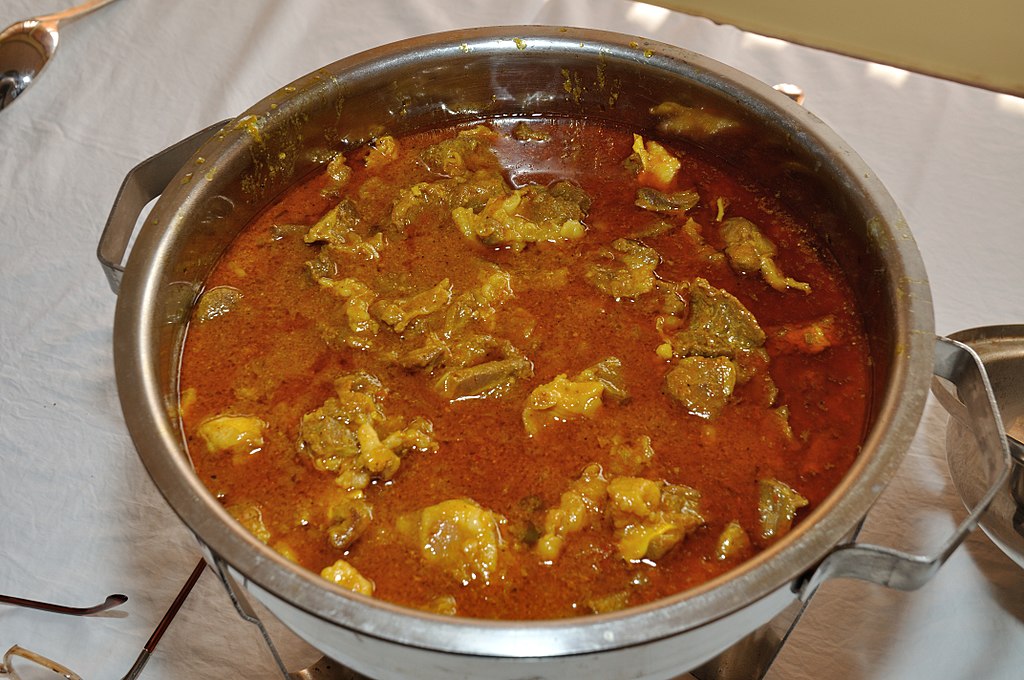
Starting from the most common one, you can certainly enjoy the meat of the goat. Tender cuts from the loin and rib areas, such as chops or racks, which are often prepared as grilled goat chops or roasted goat racks. These cuts are marinated with a blend of herbs, garlic, and olive oil before grilling or roasting to perfection. Tougher cuts from the shoulder or leg are ideal for slow-cooking methods like braised goat stew or goat curry. The meat is marinated and then cooked slowly with aromatic spices, resulting in tender and flavourful dishes.
Heart
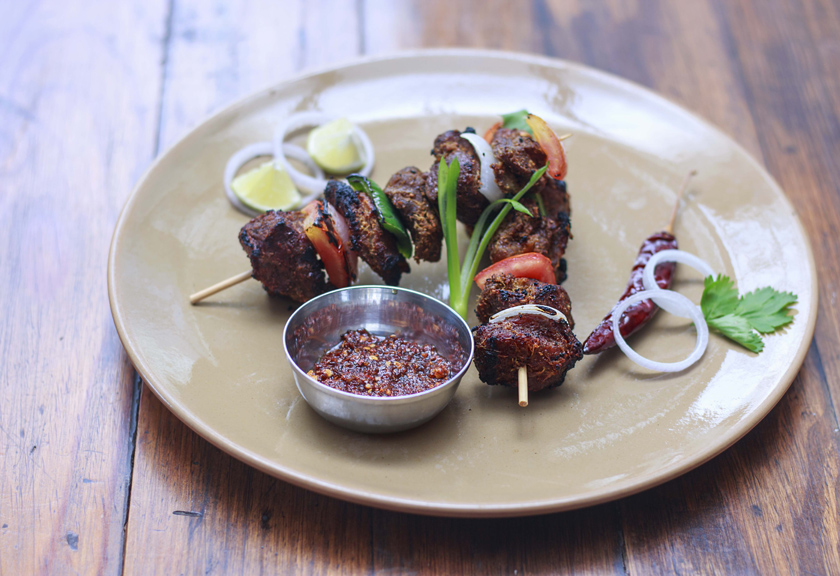
Goat heart, with its distinct flavour and slightly dense texture, can be marinated in a mixture of spices, herbs, and oil for a few hours. After marinating, it can be skewered and grilled, resulting in a dish often known as grilled goat heart. Sliced goat heart can also be used in traditional stews, like goat heart stew, where it absorbs the flavours of the simmering broth and other ingredients.
Liver
Goat liver, known for its rich nutrient profile and robust flavour, can be sliced and sautéed with onions, garlic, and various spices to create spiced goat liver. Another popular dish is liver pâté, where the liver is cooked, blended with butter, herbs, and spices, and then chilled to form a spreadable paste, often enjoyed with crackers or bread.
Kidneys
Goat kidneys, with a tender texture and a rich, gamey taste, are commonly used in kidney pie or kidney stew. To prepare, the kidneys are cleaned, halved, and sautéed with onions, mushrooms, and a savoury sauce. The mixture is then enclosed in pastry for a pie or simmered for a hearty stew.
Tongue
Goat tongue is tender and flavourful, making it ideal for braised goat tongue. The tongue is marinated with spices, braised until tender, and thinly sliced for serving. It’s often served as part of sandwiches, tacos, or salads, enhancing their taste and texture.
Tripe
Tripe, the stomach lining of the goat, requires thorough cleaning before cooking. It’s commonly used in dishes like tripe soup or spiced tripe stew. The tripe is simmered with aromatic spices, vegetables, and sometimes beans to create a flavoursome and slightly chewy dish.
Pancreas
Thymus or pancreas of a goat, also called the sweetbreads, are delicate and creamy in texture. They are usually blanched to remove impurities, then pan-fried or grilled until golden brown. Pan-seared goat sweetbreads are a popular dish, often served with a flavourful sauce made from wine, herbs, and butter, enhancing their taste.
Bones and Marrow
Goat bones are often used to prepare goat bone broth. The bones are roasted to enhance flavour and then simmered with vegetables and herbs to make a rich, nutritious broth. The marrow, when extracted from the bones, can be spread on toast as roasted goat marrow toast or used to enrich sauces and stews.
Offal
In addition to liver and kidneys, other offal parts like the heart and liver can be used in dishes such as goat offal stew or mixed goat offal curry. These dishes incorporate a combination of organ meats, often braised or stewed with spices and vegetables for a hearty meal.
Skin
Goat skin can be utilized to make crispy goat skin snacks. The skin is seasoned, dried, and then roasted or fried until crispy, resulting in a crunchy snack. It can also be used in goat skin stew, where it adds a gelatinous texture and richness to the dish.
Head
The head of the goat can be used to create goat head soup or goat head curry. The head is simmered with spices and vegetables to make a flavourful broth, and the tender parts of the head, like cheeks, are often used in the dish. The head can also be braised and used in braised goat heads or similar dishes.
Nepal is in the midst of Dashain celebrations. People working or studying away from home are returning to their families, gatherings have begun, and many are either traveling or preparing to travel. Meat is one of the most consumed foods during Dashain. Except for vegetarians, most households enjoy meat at nearly every meal of the festival.
Many families slaughter animals at home to store large quantities of meat. With such abundance, the risk of spoilage increases if meat is not properly handled and stored, making it potentially toxic and harmful to health.
Unsafe slaughtering practices, poor hygiene, and improper or insufficient storage methods create breeding grounds for harmful bacteria, which may lead to foodborne illnesses, some of them severe.
Food poisoning from contaminated meat is mainly caused by bacteria such as Salmonella, E. coli, and Campylobacter. Symptoms can range from mild to serious.
Common symptoms:
Nausea and vomiting
Diarrhea
Stomach pain
Fever
Children, the elderly, and people with weak immune systems are at greater risk of serious complications.
Safe slaughtering practices
For many, Dashain tradition involves slaughtering goats or other animals at home. However, if not done hygienically, it can become a major source of infection.
The slaughter site should be clean and away from household waste or drainage.
The animal should be healthy and inspected before slaughter.
Adequate clean water must be available for washing hands, tools, and meat. Tools should be thoroughly cleaned with soap and hot water before and after use.
The person handling slaughter must maintain proper hygiene. Meat can easily be contaminated by an unclean handler.
Anyone with contagious illnesses (like colds, fever, or skin infections) should not take part.
Internal organs must be carefully removed to avoid rupturing intestines, which can spread fecal matter and bacteria to the meat.
After preparation, meat should be cooled quickly to below 4°C, using refrigerators or clean ice, to prevent bacterial growth.
Kitchen safety
Once meat enters the kitchen, strict hygiene is essential.
Keep raw meat separate from vegetables and ready-to-eat foods. Use separate cutting boards, knives, and utensils.
Always wash hands thoroughly with soap and water before and after handling raw meat.
Cooking meat properly
Cooking kills most harmful bacteria. Meat should be cooked until the pink color disappears.
For large cuts, the minimum recommended internal temperature is 62.8°C, best measured with a food thermometer.
Storage methods: Modern and traditional
Refrigeration/Freezing:
Store fresh meat at or below 4°C and consume within a few days. For longer storage, freeze in airtight packaging. Ensure the refrigerator is clean to avoid contamination.
Confit (Preserving in Fat):
Meat, especially goat, pork, or duck, is slow-cooked and submerged in its own fat. The fat acts as a protective seal. This method does not require refrigeration.
Salting:
Raw meat is heavily salted and either hung in a dry, cool place or refrigerated at 4°C. Before use, excess salt must be washed off.
Sukuti (Dry Meat):
A traditional Nepali method. Meat is cut into strips and hung to dry, often above a hearth. Once fully dried, it can be stored for long periods without spoiling.
Pakku:
A traditional Nepali dish made from goat or buffalo meat. The meat is marinated with spices and slow-cooked without water, using its own fat and juices. The result is tender, dark-colored meat that resists spoilage. It can be stored at room temperature for some time, or longer in a refrigerator.
Moderation is key
Overeating oily and spicy meat dishes can cause digestive problems. Meals should be balanced with fresh vegetables, salads, and fruits.
Stay hydrated
Drink plenty of clean water throughout the day to aid digestion.
Not all the information we receive is accurate. Rumours have long spread in society through word of mouth, but with the rise of social media, misleading and false information now spreads much faster and more widely. When people believe such misinformation, it shapes false perceptions and contributes to distortions in society.
This has become a global problem. In Nepal too, during the recent Gen Z protests, many incidents occurred as a result of people believing in misleading information. Even during and after the protests, false news continued to circulate.
For example, on platforms like TikTok, Facebook, and Discord, exaggerated or fabricated claims inflated the number of demonstrators, the scale of violence, and the figures of those injured. Such misinformation on social media and in the media affected millions of people directly and indirectly.
According to a World Health Organization review, during pandemics or crises, misinformation negatively influences health behaviours and significantly impacts mental health. In Nepal, false claims such as “India has sent troops to Nepal” during the Gen Z movement spread fear and panic among ordinary people.
Psychiatrists warn that such misleading or exaggerated information causes immediate stress and can lead to long-term mental health problems. It deeply affects the human psyche, especially among young people.
Immediate impacts: Stress and trauma
Psychologist Binod Dhakal says misinformation and graphic content circulating during protests cause psychological trauma. “When misleading and exaggerated information spreads on social media, with violent images, people’s distress, or children injured by bullets, it pushes individuals into trauma,” he explained. “This affects daily life. People can’t sleep, or if they do, they relive the events in their dreams.”
He adds that such trauma leads to loss of appetite, lack of motivation, and overthinking. Misinformation further alters people’s ways of thinking.
For example, during the second day of the protests, a rumour spread that the bodies of 32 missing students had been discovered inside Parliament. Many believed it for several hours, which fueled anger and agitation among protesters and caused additional psychological distress to others.
Psychiatrist Anmol Karki notes that misinformation reduces morale, increases anxiety, and generates fear and despair. “People struggle with sleeplessness and loss of appetite,” he said. “Even a week after the protests, videos of bleeding victims still circulated on social media, repeatedly triggering psychological impacts.”
Studies support these observations. Research published in the National Library of Medicine shows that misinformation raises anxiety and psychological stress. According to Karki, repeated exposure to violent or exaggerated news on television or social media can cause “secondary trauma,” where individuals are affected even without being directly involved. During the Gen Z protests, he said, false news created fear among parents and children, disrupting their daily lives.
Long-term effects: PTSD, depression, and loss of resilience
Continuous exposure to misleading content turns short-term stress into long-term problems. Dhakal explains that repeatedly viewing such content weakens resilience the ability to return to normal. Over time, this can develop into post-traumatic stress disorder (PTSD), depression, or anxiety. Protesters may experience flashbacks, nightmares, or constant fear.
Karki adds that repeated exposure heightens worry about the future, reduces confidence, and disrupts daily activities. Research also shows that media exposure during crises doubles or even triples the risk of PTSD. Some children after the Gen Z movement reportedly developed symptoms such as refusing food, screaming, or being unable to sleep adding to parental stress.
A Statistics Canada study has also confirmed that misinformation negatively affects public mental health.
How to avoid the impact of misinformation
Curiosity about political and social change is natural, but when curiosity goes unsatisfied, restlessness grows. Dhakal advises relying on official media and government statements to avoid misinformation. “Because social media content can be exaggerated or false, people should check sources like the Nepal Police’s official Facebook page or ministry websites,” he said.
He suggests self-care as well: daily exercise, breathing practices, and conversations with family and friends can help release emotions and protect against PTSD. People should remain cautious of sensationalised content and seek more detailed verification before believing or sharing it.
Karki recommends relying only on official news portals. “When reading a claim, always check the source who said it and where it came from,” he said. “If the source is missing or unclear, it should not be trusted.”
He also advises limiting exposure to repeated content and consulting a psychologist or psychiatrist if stress, sleeplessness, or other issues persist. Importantly, viral posts on social media should not be shared without verification, and the authenticity of photos, videos, or screenshots should be checked before circulating them.
Neither billions of rupees, nor advanced technology, nor heavy foreign engineering assistance, nor modern vehicles and machines for transporting construction materials were available. Yet, the Rana rulers of the time built palaces and mansions that remain celebrated worldwide for their art and architecture, crafted with Nepali skill and limited resources.
Nepali artisans used their mastery and local materials to create these grand buildings. The palaces incorporated European design, influenced by the growing British presence in Nepal after the Sugauli Treaty. The Ranas developed special trust and cooperation with the British through mutual diplomacy, friendship, and the dispatch of Gurkha soldiers to serve the British Crown. Inspired by this influence, they embraced European-style architecture in their palaces and mansions.
Today, many of these structures function as government offices, museums, or tourist sites, preserving their historical importance. Sadly, several of these buildings have suffered from natural disasters, political movements, and fires. Despite the damage, their historical significance endures.
The 1934 and 2015 earthquakes, the 1973 fire, and most recently, the fires during the Zen G movement on September 8 and September 9 caused significant harm to some of them.
1. Singha Durbar
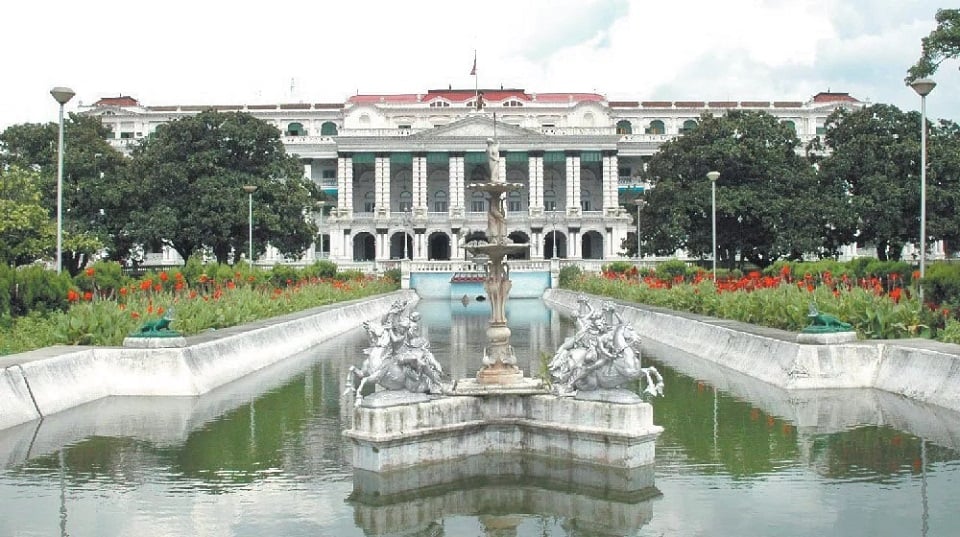
Located in Kathmandu, Singha Durbar was built in 1908 by Prime Minister Chandra Shumsher Jung Bahadur Rana. The design, inspired by European palaces, was created by Kumar Narsingh Rana and Kishor Narsingh Rana. Two lion statues at the entrance gave the palace its name. The architecture reflects Palladian, Corinthian, Neoclassical, and Baroque styles, making it majestic and elegant.
As Chandra Shumsher was fond of hunting and art, the walls were decorated with hunting scenes and European-style paintings. The palace originally featured eight courtyards and 1,700 rooms, with marble floors, intricately painted ceilings, silver furniture, and crystal chandeliers. Though partially destroyed in the 1973 fire, it was rebuilt. Recently, it suffered another fire during the Gen Z Movement.
2. Sheetal Niwas
Situated in Maharajgunj, Kathmandu, Sheetal Niwas was built in 1923 (1980 BS) by Chandra Shumsher for his eldest queen Lokbhakta Laxmi Devi’s younger son, Krishna Shumsher. The palace follows a neoclassical style, with French windows and Greek columns.
Neoclassicism, modeled after ancient Greek and Roman structures, is evident in the design by Kumar Narsingh and Kishor Narsingh. The exterior displays grandeur through symmetrical layouts, large gardens, and decorative plasterwork. Locally crafted woodwork is also integrated into doors and ceilings, blending Nepali artistry with European elegance.
Damaged in the 1934 earthquake, it was later restored. Today, it serves as the Office of the President. However, it too was damaged by fire during the Gen Z Movement.
3. Harihar Bhawan
Located in Lalitpur, Harihar Bhawan was commissioned by Chandra Shumsher in the 1910s for his son Shankar Shumsher. Also designed by Kumar Narsingh and Kishor Narsingh, the palace blends Neoclassical and Baroque styles. Large halls, tall columns, arched facades, and ornate Baroque details make it distinct. While the white plaster exterior reflects European taste, carved Nepali wooden windows preserved local tradition.
Shankar Shumsher lived there until 1950, but the government acquired it in 1952. Today, it houses the Department of Agriculture, the National Library, and the Human Rights Commission.
4. Jawalakhel Durbar
Constructed in 1897 by Bir Shumsher Rana for his son Juddha Shumsher and mother Juhar Kumari, Jawalakhel Durbar stands in the Jawalakhel area of Kathmandu. Designed by Jogbir Sthapit, it combines Neoclassical, Baroque, and Mughal influences.
Its grand courtyard, landscaped gardens, and balanced layout give it both elegance and harmony. While European styles dominate the decor, local materials and Nepali craftsmanship are evident in the woodwork and carvings. Partially damaged in the 1934 earthquake, it has been used since 1982 as the Nepal Administrative Staff College.
5. Babar Mahal
Built in 1910 (1970 BS) by Chandra Shumsher as a gift for his son Babar Shumsher, Babar Mahal sprawls across seven hectares on the northern banks of the Bagmati River in Kathmandu. Its design, inspired by London’s Buckingham Palace, blends Neoclassical and Italianate styles.
The palace featured vast courtyards, symmetrical layouts, French windows, Greek columns, and ornate plasterwork. Interiors included carved wooden decorations, golden paint, marble flooring, crystal chandeliers, and handmade carpets. Although damaged in the 1934 earthquake, Babar Shumsher’s grandson Jitu Rana later reconstructed part of it as “Babar Mahal Revisited,” a restaurant and shopping complex. Today, the Department of Roads operates from the premises.
6. Thapathali Durbar
Thapathali Durbar, constructed in 1854 by Jung Bahadur Rana, was among the first Nepali palaces to embrace Western architectural elements. Designed by Ranasur Bista, it combines Neoclassical style with local craftsmanship. Whitewashed walls, four courtyards, tall columns, French windows, and balconies showcase European influence, while intricate Nepali wood carvings maintain originality.
It is considered the first palace in Nepal to introduce the Western concept of roundtable conference halls, making it both a symbol of grandeur and modernity.
7. Narayanhiti Durbar
The original Narayanhiti Palace was built in the 1850s by Jung Bahadur Rana for his brother Ranodip Singh Kunwar Rana. Like other Rana-era structures, it reflected European Neoclassical design, with vast courtyards, tall columns, and detailed wood carvings.
Later, through marriage ties between the Rana and Shah families, it became the royal residence of the Shah kings. Although the 1934 earthquake caused damage, it was rebuilt. King Mahendra later demolished the old Rana palace and built a new Narayanhiti Palace, which now functions as a museum.
8. Keshar Mahal
Keshar Mahal, built under the orders of Bir Shumsher Rana and executed by his nephew Jit Shumsher, features a unique blend of European artistry and local design. The palace is decorated with lion crowns, circular motifs, and female figures. Its central top structure features three eye-shaped designs, while decorative vases and grills enhance its beauty.
Field Marshal Keshar Shumsher also created the famous “Garden of Dreams,” designed in Edwardian style after he was inspired by King Edward VII’s gardens in Britain during his visit in 1920. When Chandra Shumsher refused his request to replicate such a garden, Keshar Shumsher reportedly built it using one lakh rupees he had won from Chandra Shumsher in a game of cards during Tihar.