Modern security challenges are no longer confined to borders or conventional battlefields. They increasingly unfold within societies across cities, informal settlements, and complex human networks. In such an environment, institutions that lack a structured understanding of their own population operate with significant blind spots. For Nepal, the issue of squatter settlements is not merely a matter of urban governance or legality; it represents a critical case for understanding why Human Environment Analysis (HEA) is essential for long-term societal stability. The Nepali Army’s efforts to maintain relevant population databases in this regard are closely linked to the broader domain of human security, an area in which the institution is frequently called upon to support civil authorities.
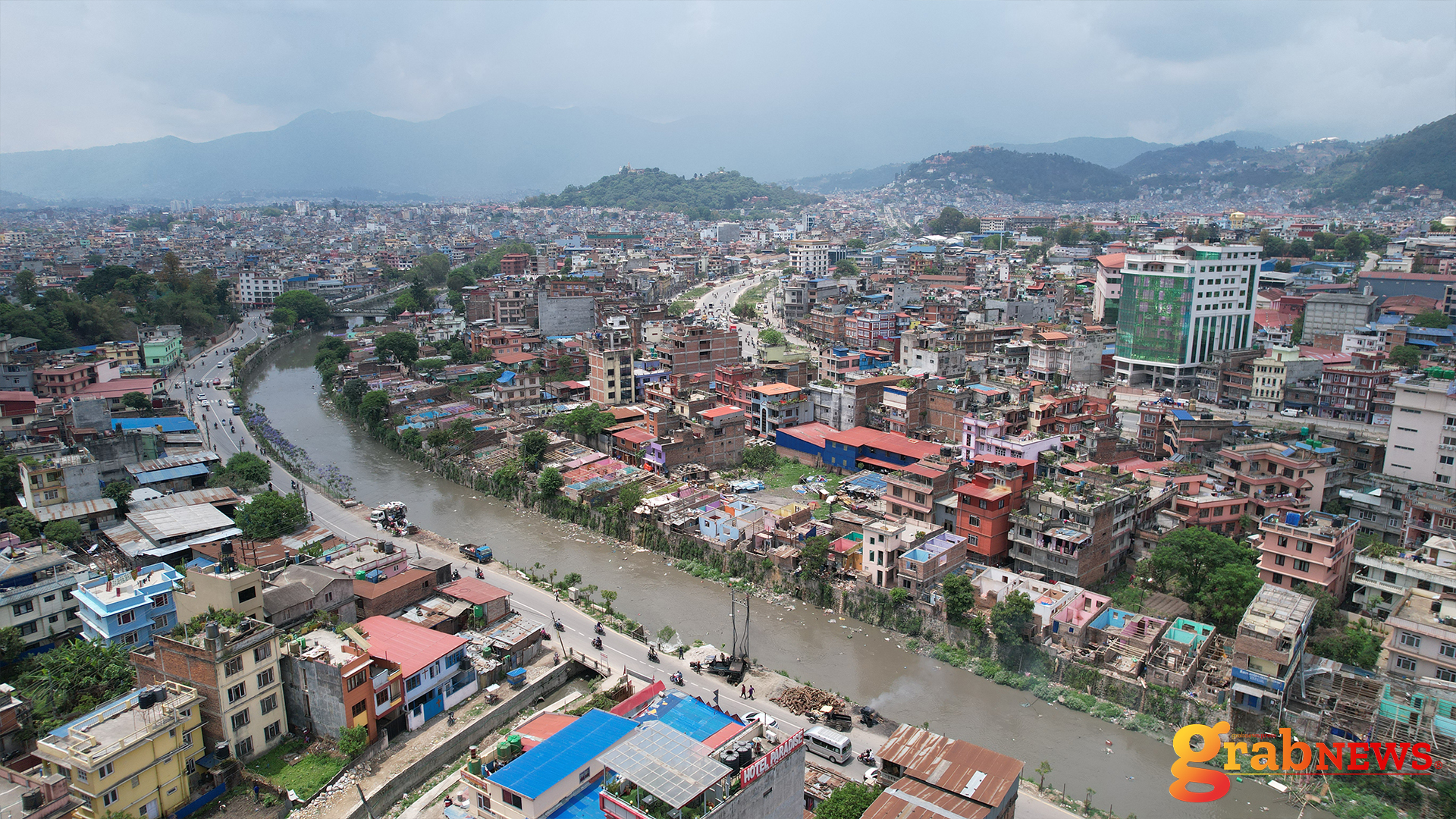
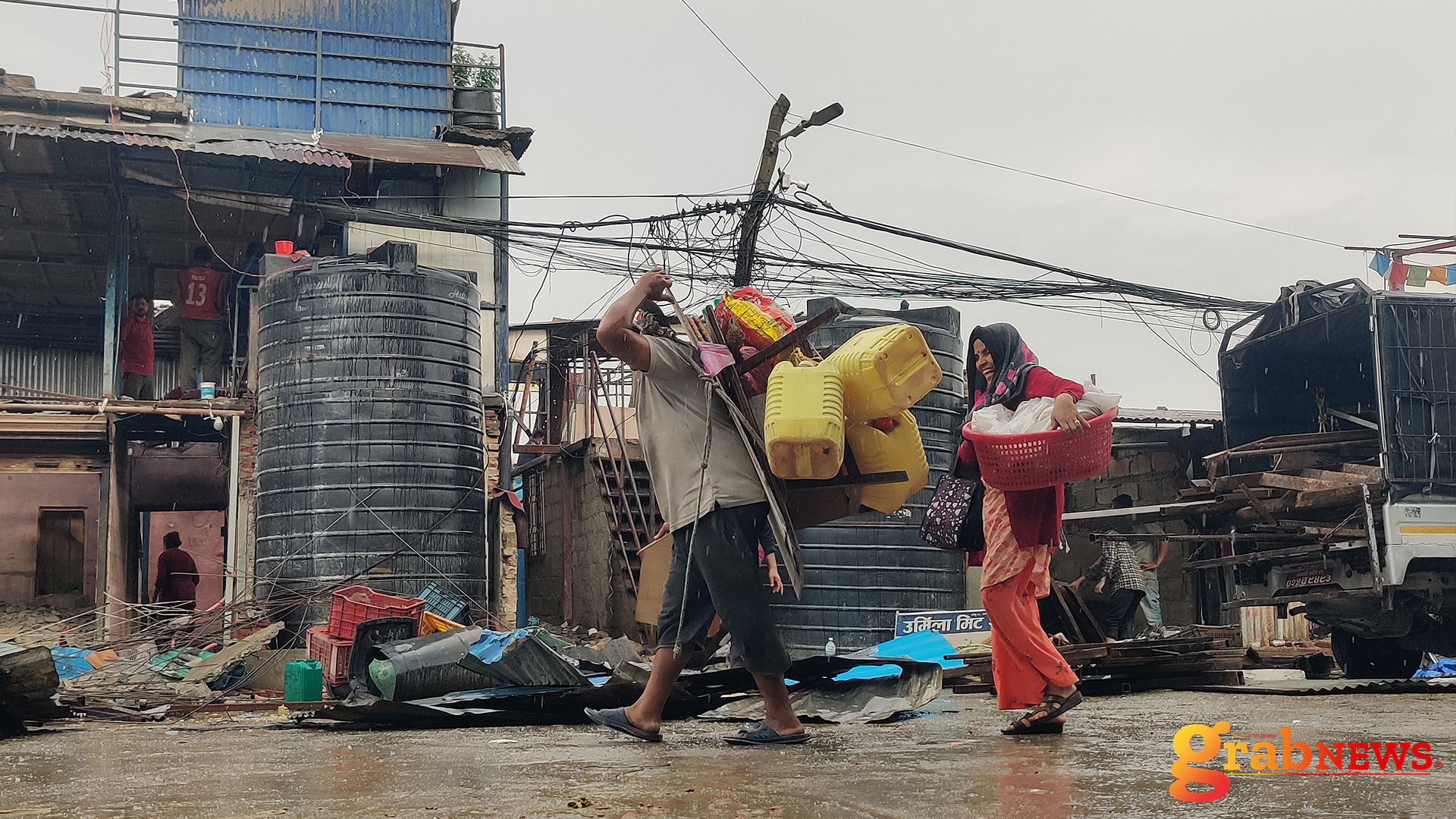
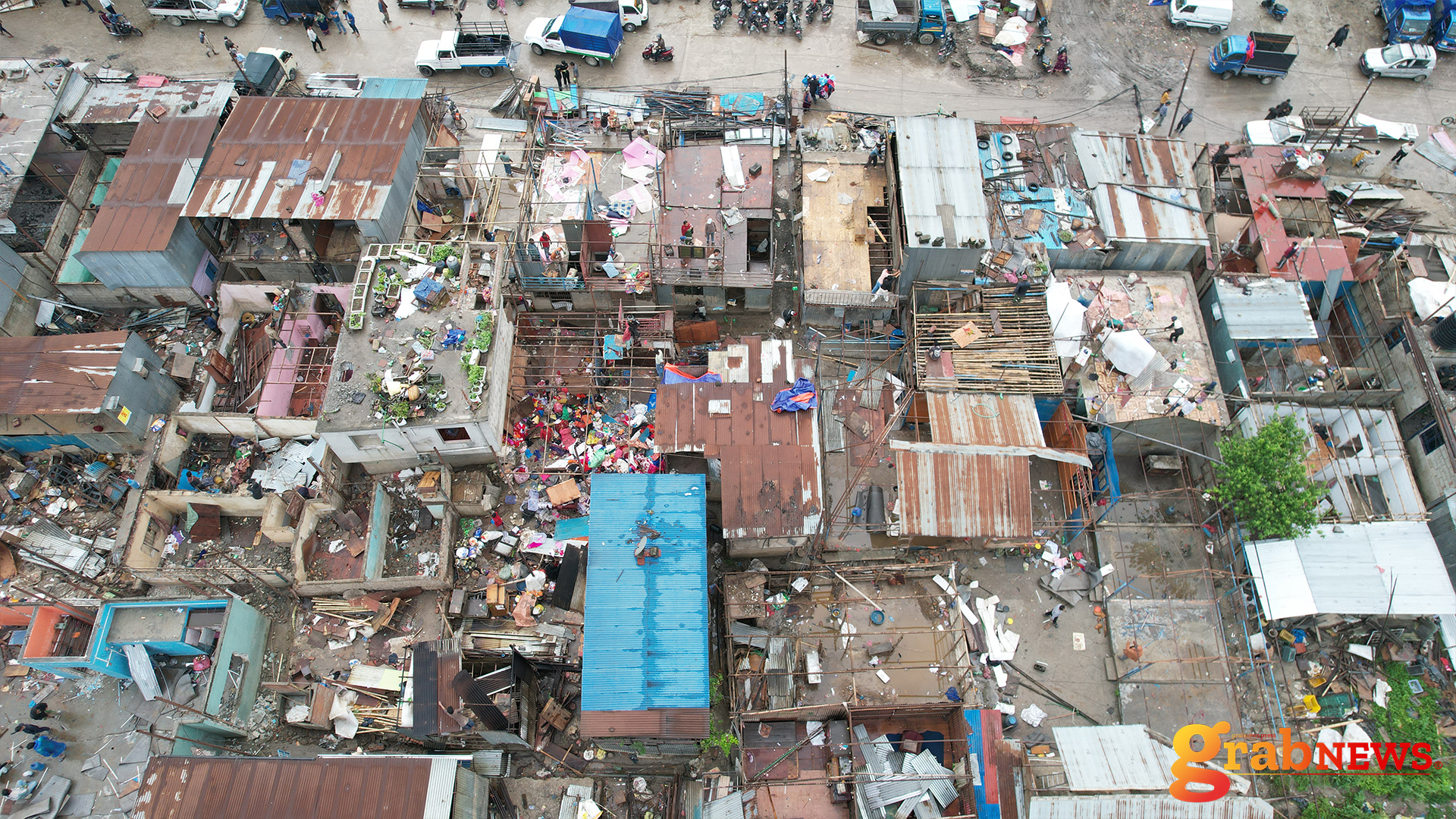
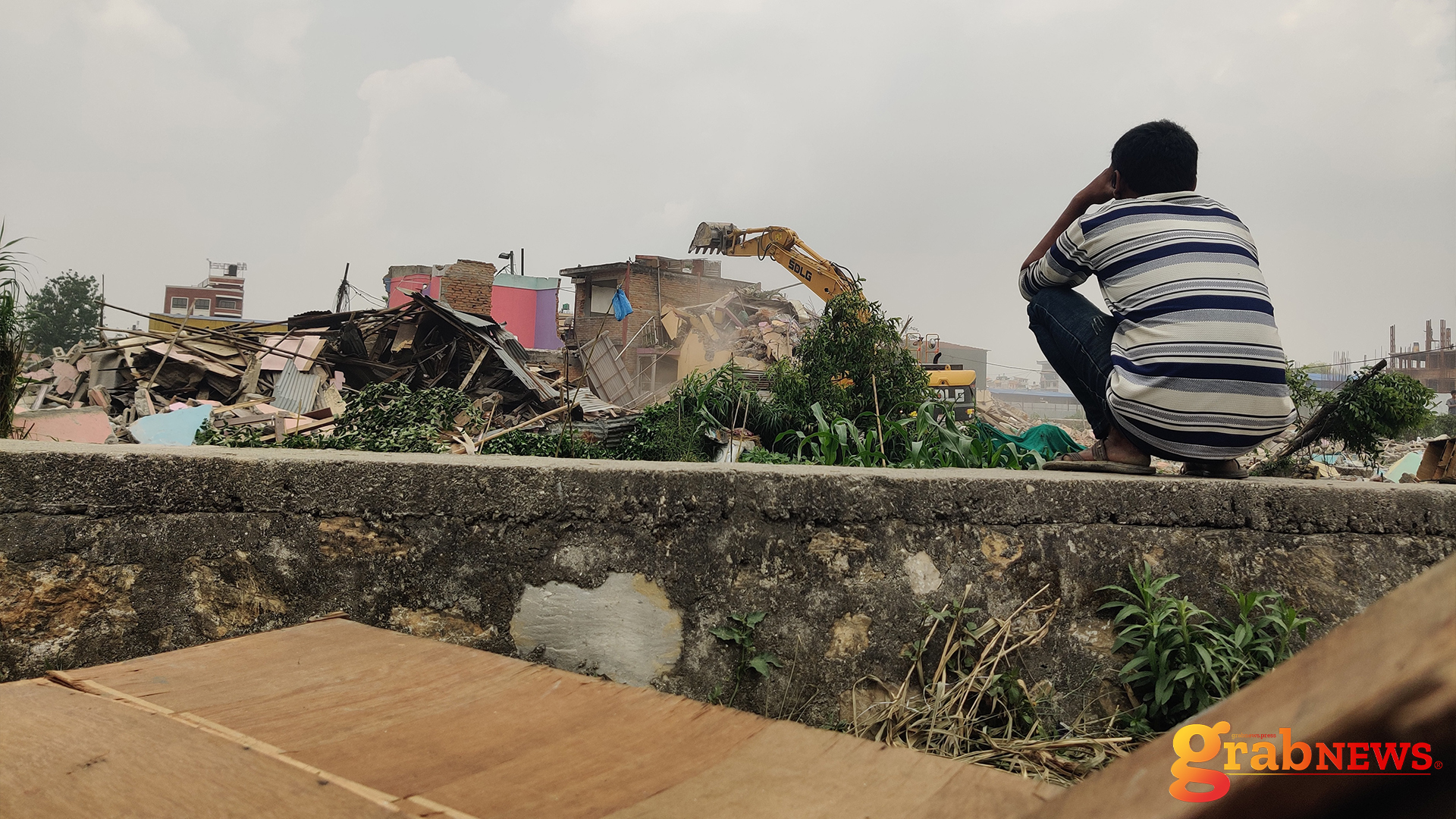
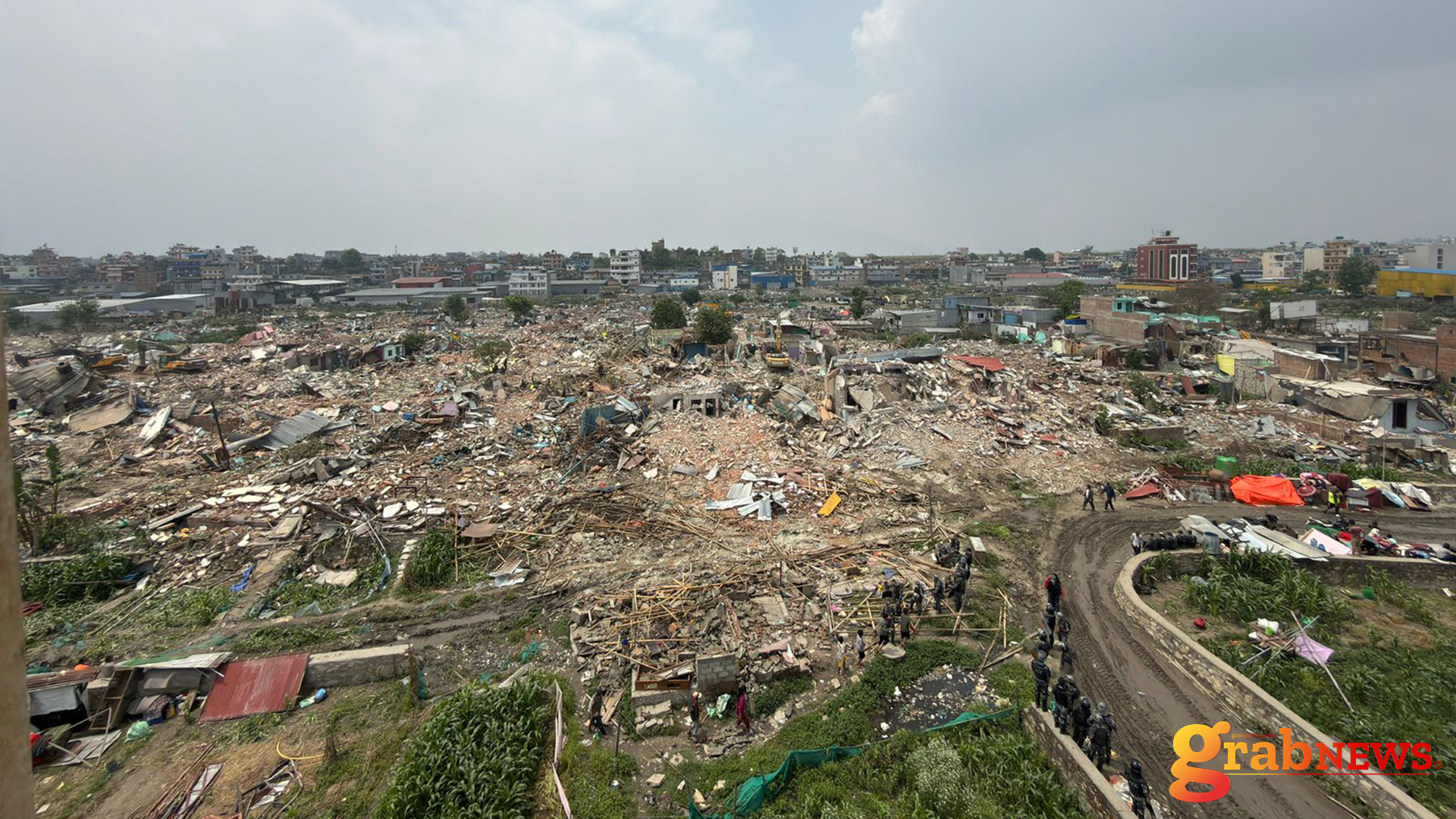
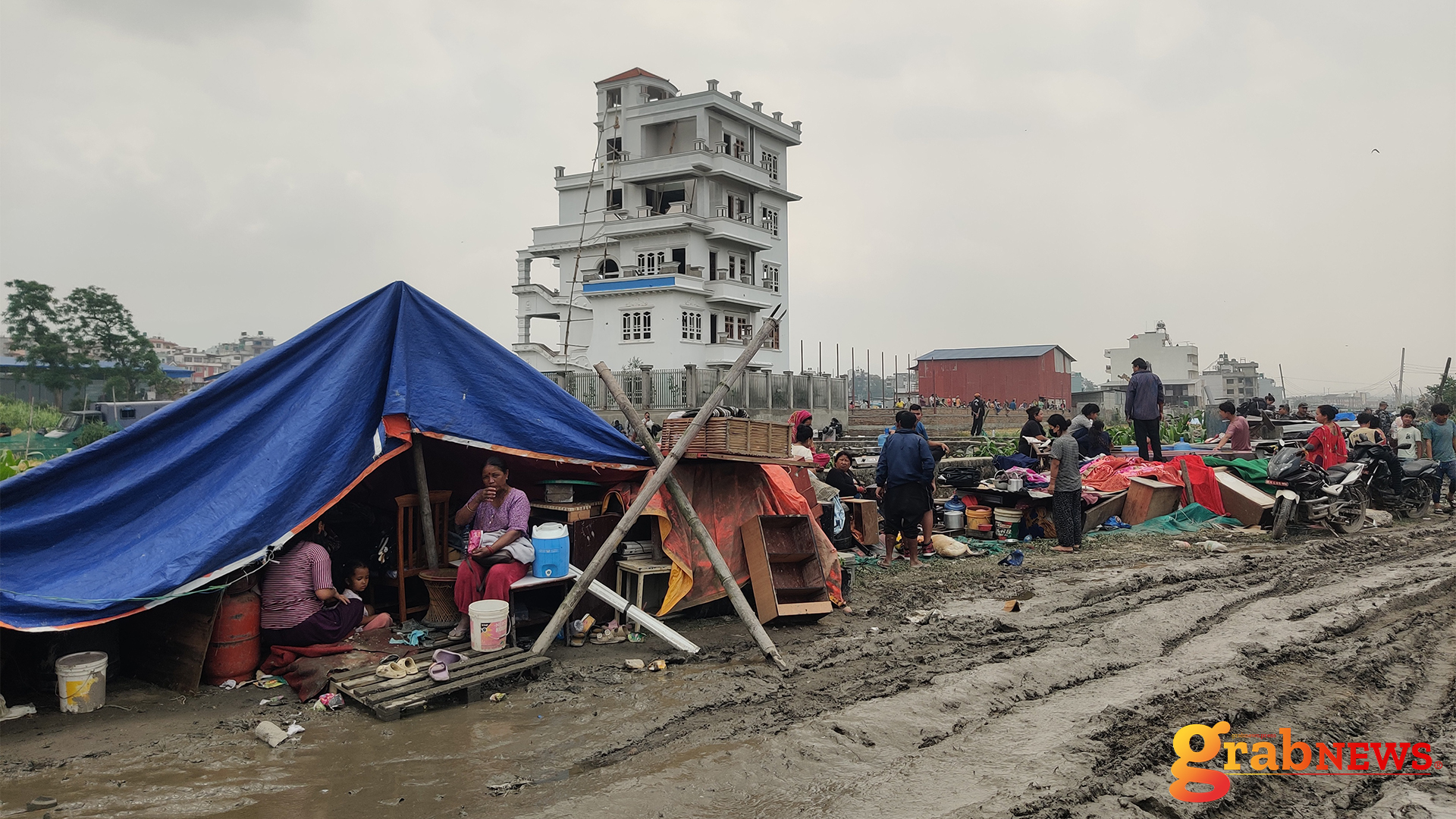
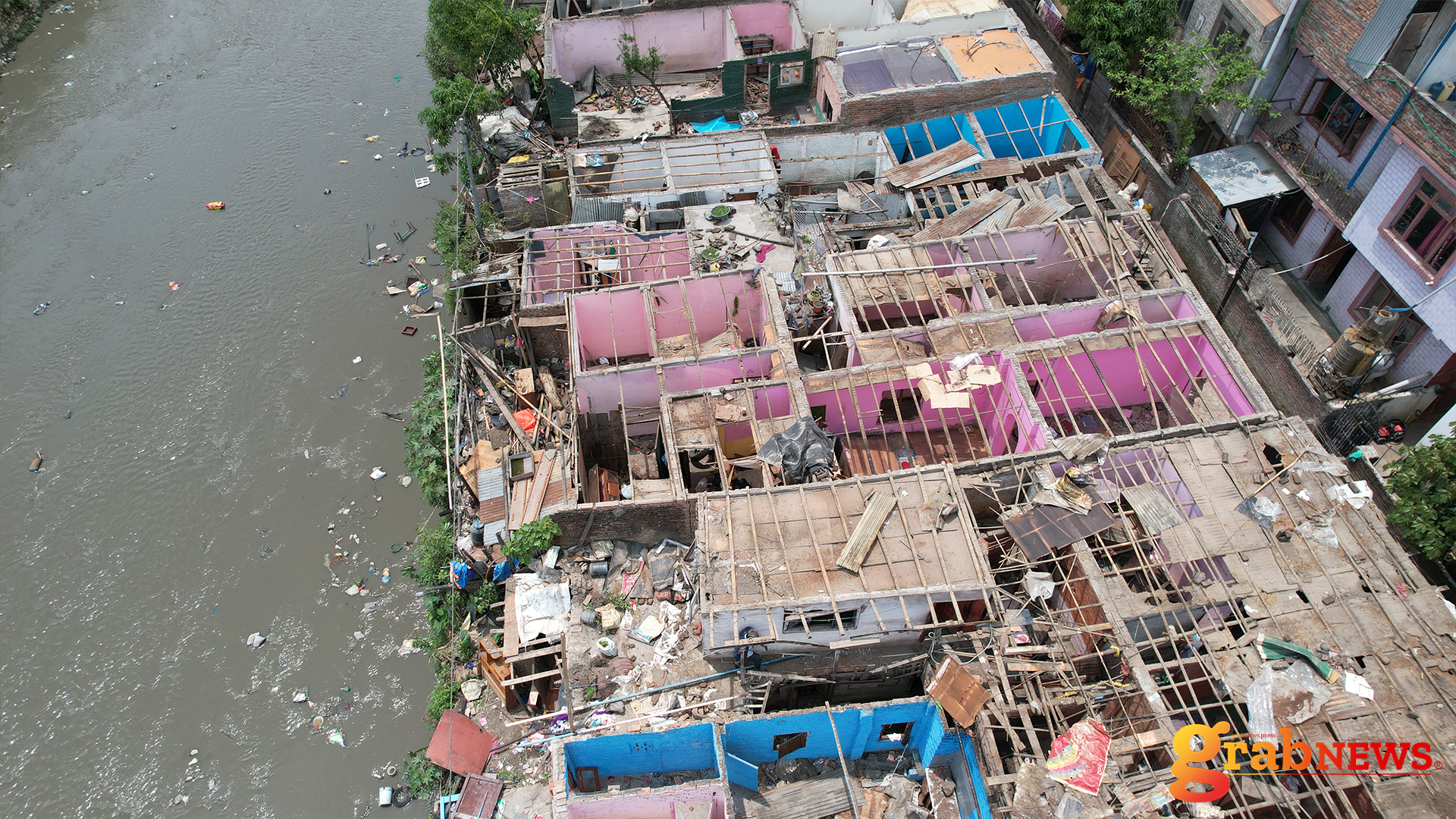
The expansion of squatter settlements in Nepal since the early 1990s reflects deeper structural dynamics. Rapid urbanization, weak land administration, political patronage, and the displacement effects of the Maoist insurgency have all contributed to this trend. In the absence of valid land ownership certificates, many settlers remain vulnerable legally, economically, and socially. Encroachment along riverbanks and public land has expanded, often shaped by vote-bank politics and populist pressures.
Available data reveals both the scale of the issue and the limitations of current understanding. In Kathmandu, squatter populations reportedly grew from around 8,000 in 1992 to approximately 12,000 by 1996. Yet discrepancies persist. The High-Powered Committee for Integrated Development of the Bagmati Civilization identified 3,496 families across 22 settlements, while later verification processes accounted for only a fraction. This raises fundamental questions: where did the unaccounted population go, what are their current livelihoods, and what vulnerabilities do they face? These are not merely administrative concerns rather they carry implications for social cohesion, governance, and national stability.
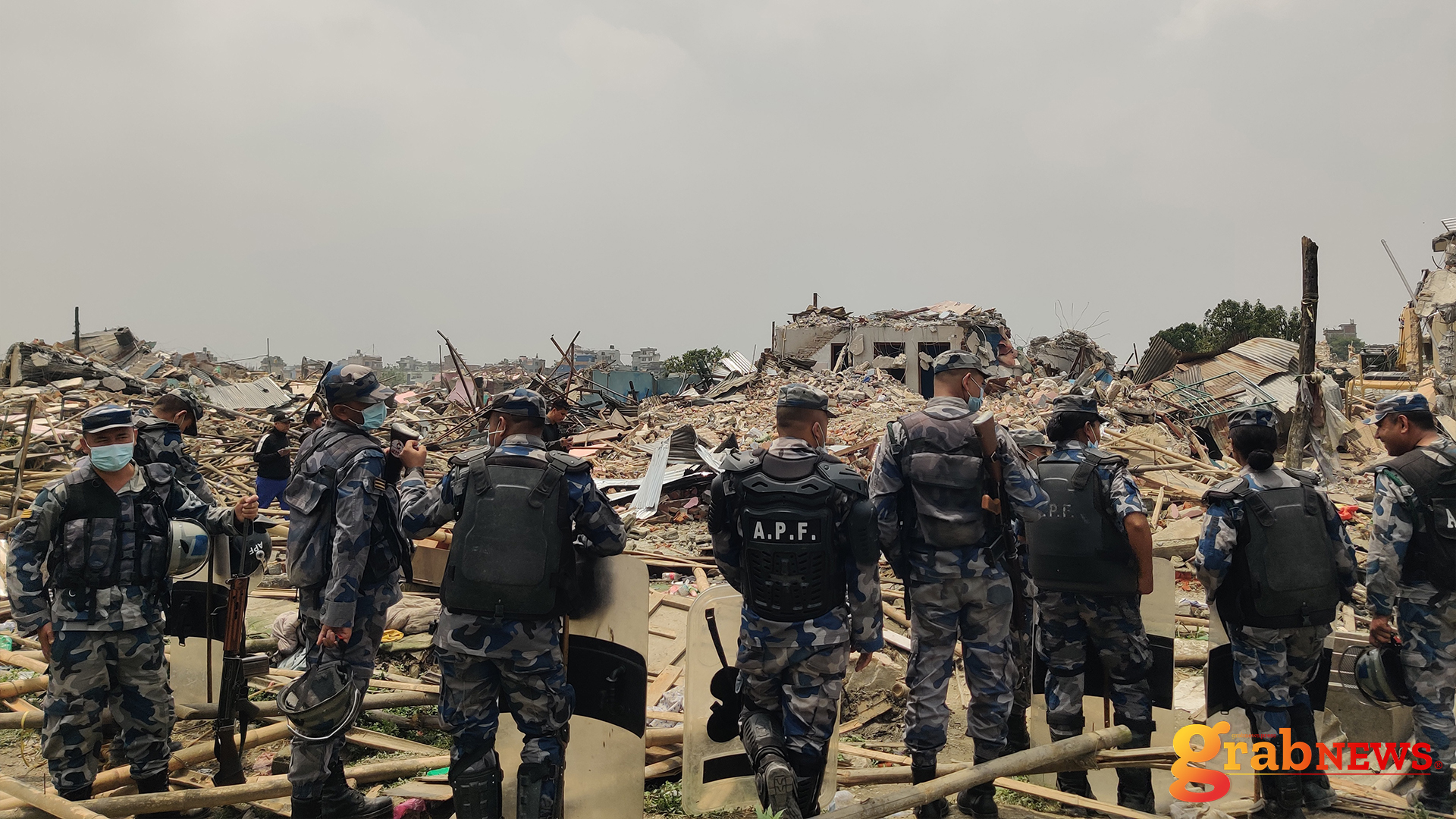
Nepal’s constitutional framework recognizes these sensitivities. Article 37 guarantees the right to adequate housing and protection from eviction without due process. Government-led verification and resettlement initiatives reflect an effort to balance legality with social justice. At the same time, debates have emerged regarding the role of the Nepali Army in collecting population-related data. While such concerns are valid, they should not obscure a fundamental reality: as a core instrument of national power, the Nepali Army has an inherent responsibility to maintain a functional understanding of the country’s population. This necessarily includes the collection and maintenance of relevant population data.
Such efforts, however, must be conducted within clearly defined legal mandates, supported by transparency, and aligned with civilian authority. When properly structured, this capability strengthens national preparedness, enhances coordinated responses during crises, and contributes directly to long-term stability. Therefore, seeking the data of the population is justifiable from the national security perspective.
Within this context, Human Environment Analysis provides a useful framework. Traditionally, the concept of terrain focused on physical geography mountains, rivers, deserts and strategic chokepoints. However, the character of the people and the national will are decisive in shaping outcomes. In contemporary settings, the population itself forms a critical dimension of the operating environment.
Human Environment Analysis involves the systematic study of demographic patterns, social structures, economic conditions, and cultural dynamics. It seeks to understand who people are, how communities are organized, what challenges they face, and how they respond to change. In a country like Nepal with its diversity of languages, ethnicities, and regional identities such understanding is indispensable for informed decision-making.
The importance of this approach becomes clear when viewed through historical experience. Repeatedly, military and state institutions have struggled when they failed to understand the societies in which they operated.
German colonial campaigns in Africa, particularly against the Herero and Nama communities, reflected a narrow interpretation of resistance that ignored local social systems and grievances. The resulting policies were not only devastating in human terms but also strategically counterproductive, entrenching resistance rather than resolving it. France’s experience in Algeria presents a similar lesson. Despite significant military capacity, French efforts were undermined by an inability to fully engage with the political identity and aspirations of the Algerian population. Tactical successes could not compensate for a loss of legitimacy at the societal level.
The British approach during the Second Boer War further illustrates the consequences of insufficient societal understanding. Policies such as scorched earth tactics and civilian internment disrupted insurgent support networks but also generated widespread resentment, ultimately complicating the path to resolution.
In the 20th century, the United States faced comparable challenges in the Vietnam War. Efforts to impose externally designed solutions often failed to align with local realities, leading to mistrust and resistance. More recent interventions in the Iraq War and the War in Afghanistan similarly highlighted the complexity of social structures, local identities, and informal power networks. In each case, gaps in understanding the human environment limited the effectiveness of broader strategies.
These examples underscore a consistent lesson: sustainable stability depends not only on capability, but on comprehension.
For Nepal, this insight is particularly relevant. Squatter settlements should be understood not simply as legal irregularities, but as indicators of broader socio-economic processes triggered by migration, inequality, service gaps, and adaptation strategies of vulnerable populations. Human Environment Analysis enables institutions to interpret these patterns more accurately and respond more effectively. Such analysis supports several key functions. It helps identify vulnerable groups and emerging pressures, improves the targeting of public services, and strengthens coordination across agencies. It also enhances preparedness for crises, whether related to natural disasters, public health emergencies, or social unrest.
Equally important, it contributes to legitimacy. As John Stuart Mill emphasized, understanding and respecting diversity is central to a stable society. Policies and actions informed by social context are more likely to be perceived as fair and appropriate, reducing the risk of misunderstanding or escalation. At the same time, the collection and use of population data must be guided by clear safeguards. Legal frameworks, data protection measures, and civilian oversight are essential to ensure that information is used responsibly. The objective is not surveillance, but informed policy grounded in respect for rights and dignity.
Nepal’s own experience during the Maoist insurgency demonstrated that different regions and communities respond differently to the same pressures. A uniform approach is rarely effective in a diverse society. Understanding local contexts such as economic conditions, cultural norms, and community structures, all enables more calibrated and constructive responses. In this regard, Human Environment Analysis is not a purely military function. It is a shared responsibility across government institutions, supporting evidence-based policymaking and coordinated action. For the Nepali Army, its role lies in contributing to this broader understanding, particularly in areas related to disaster response, logistics, and support to civil authorities.
In the 21st century, stability is shaped less by the application of force and more by the quality of understanding. Population data, when meticulously collected, maintained and carefully interpreted, allows institutions to move from reactive responses to preventive strategies. It transforms uncertainty into insight and enables decisions that are both effective and measured. The issue of squatter settlements illustrates this clearly. Without accurate and comprehensive information, policies risk being incomplete or misdirected. With better understanding, however, interventions can be more targeted, equitable, and sustainable. It addresses not only symptoms but underlying causes.
The present efforts of the Nepali Army to gather information related to landless squatters should be viewed as part of its professional responsibility to assist the state in addressing crises and unforeseen internal security challenges. Therefore, such efforts should be assessed within the broader framework of national security, governance support, and institutional coordination. Ultimately, understanding the human environment strengthens both effectiveness and legitimacy. It enables institutions to engage with society not as an abstract entity, but as a complex and dynamic system of relationships, needs, and aspirations. For Nepal, embracing this approach is not optional; it is a necessary step toward ensuring stability in a diverse and evolving society.